
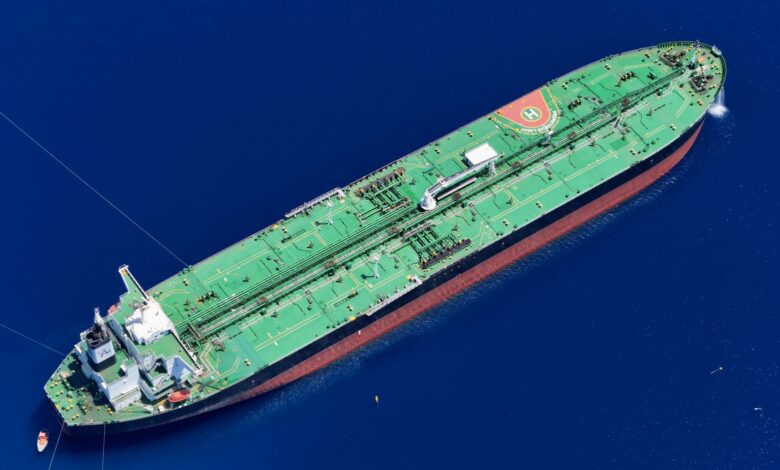
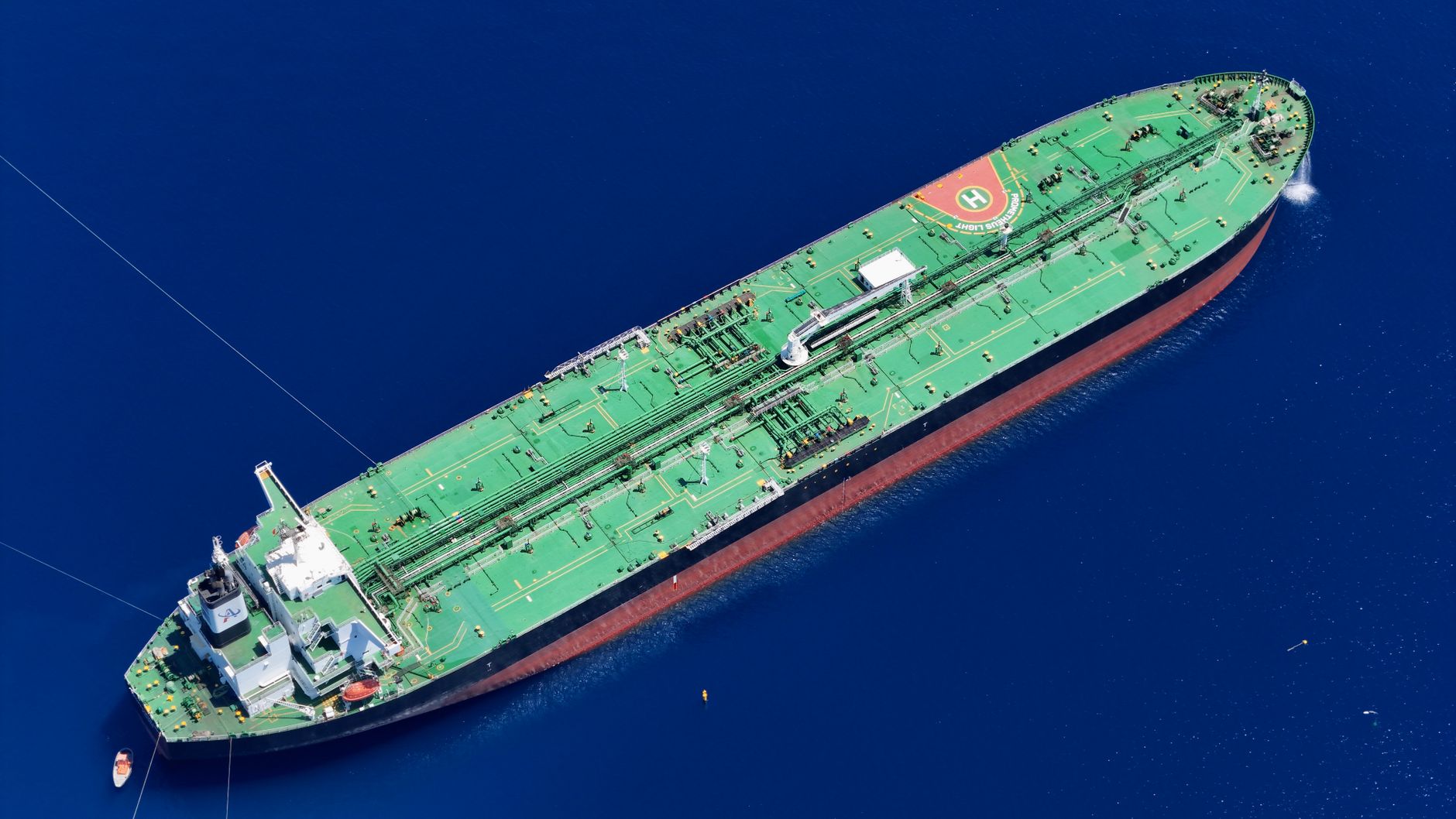
Few commodities react to a signature in Washington as quickly as Venezuelan crude. A license is issued, and tankers begin loading for the Gulf of Mexico. A license lapses, and the same cargoes drift toward Asia at a discount, or sit in storage while buyers wait for clarity.
That sensitivity is the defining feature of Venezuela’s oil business. The country holds some of the largest crude reserves on the planet, yet what it actually ships depends less on geology than on a rolling set of decisions about who may buy, who may invest, and who may be paid. Each shift in US policy changes the math for refiners, traders, shipping firms and the government in Caracas, often within weeks. Understanding why requires looking at how the sanctions are built, and why the oil itself makes the American market so hard to replace.
A Dial, Not a Switch
The sanctions on Venezuela’s state oil company, PDVSA, took hold in 2019 and were designed as a pressure campaign on the Maduro government. They did not simply ban Venezuelan oil. They cut the company off from US financial channels and made most dealings with it legally hazardous, then left room for exceptions. Those exceptions, issued as general and specific licenses, are where the real policy lives.
Since then, Washington has turned the dial several times. A license for Chevron allowed the company to operate in Venezuela and ship crude to the United States under strict conditions. A broader easing tied to electoral commitments followed, then was allowed to lapse when those commitments were judged unmet. The Chevron arrangement itself has been granted, pulled back and reissued under tighter terms. Every adjustment sends the same message to the market: access is conditional and revocable.
Why the Gulf Coast Still Matters
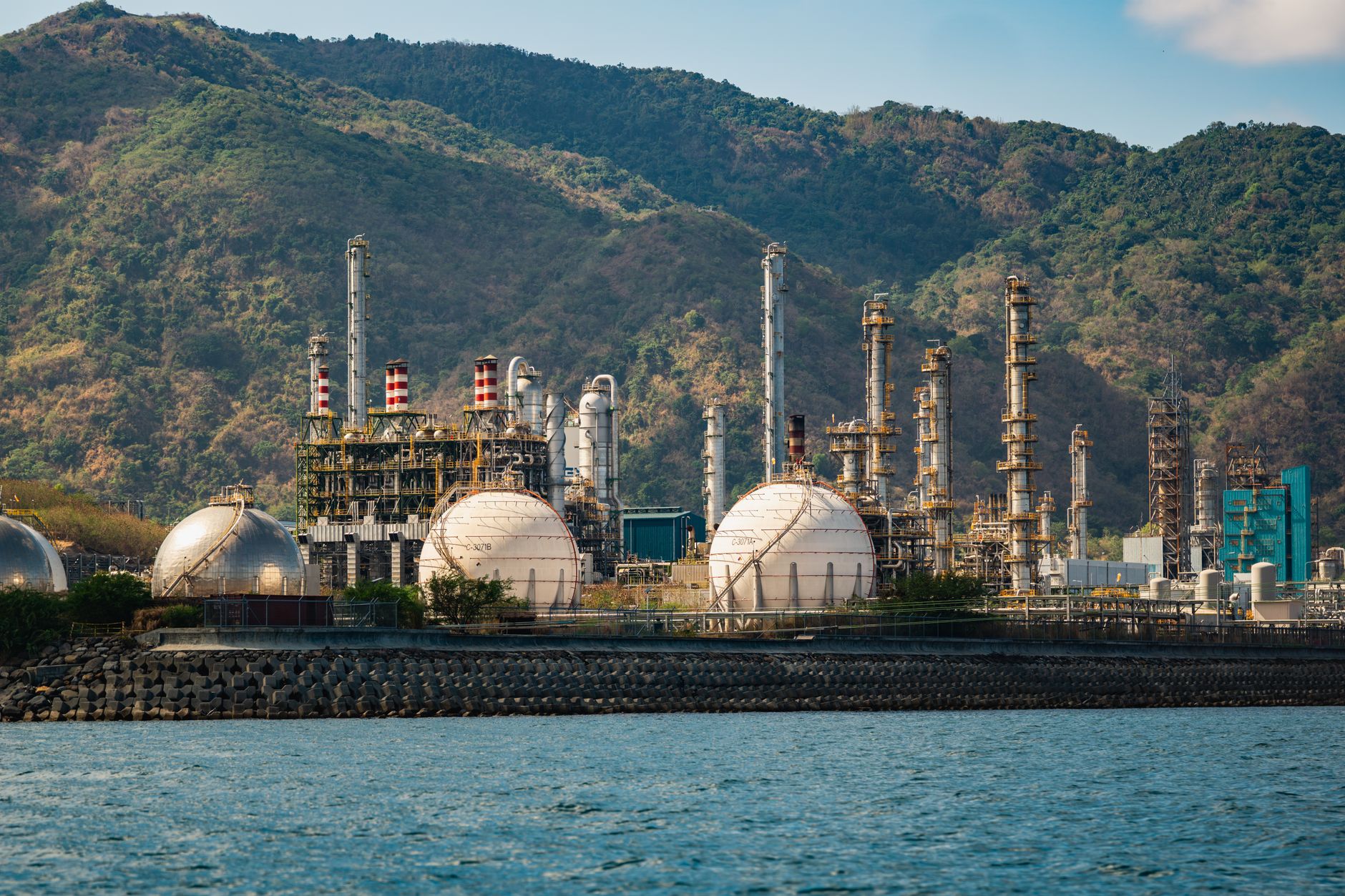
Venezuelan crude is mostly heavy and high in sulfur, particularly the extra-heavy grades from the Orinoco Belt. Many refineries along the US Gulf Coast were built or upgraded decades ago to process exactly this kind of oil. Their cokers and hydrocrackers turn thick, low-value barrels into diesel and other fuels, and they earn their margins by buying cheap heavy crude rather than expensive light grades.
When Venezuelan supply disappears, those refiners must substitute from Canada, Mexico, Colombia or the Middle East, and the swap is rarely perfect. Each replacement grade has its own price, its own freight cost and its own quality quirks.
That gives American refiners a commercial stake in how sanctions are written, and it gives Washington a reason to keep a narrow channel open even while it pressures Caracas.
The alternative buyer is China, which is where the sanctions create a paradox. Cut off from US-linked finance, Venezuela has sold a large share of its crude through intermediaries to independent Chinese refiners, typically at steep discounts and often with murky payment arrangements. The barrels still move, but the revenue that reaches the Venezuelan state shrinks as middlemen take their cut. Tighter sanctions do not make the oil vanish. They change who captures its value, and they push Venezuela deeper into trading relationships that Washington would rather it did not have.
Licenses Do Not Pump Oil
A permit from the US Treasury can change where a barrel goes. It cannot create the barrel. Venezuela’s output sits far below its historical peak after years of underinvestment, deferred maintenance and the departure of skilled workers. Upgraders that convert extra-heavy crude into exportable grades have suffered outages. Power cuts, aging pipelines and thin supplies of spare parts all limit how much oil reaches the export terminals.
Extra-heavy crude also cannot flow without being blended with lighter hydrocarbons, known as diluent, and Venezuela has long relied on imported naphtha for that purpose. Sanctions that complicate those imports can throttle exports even when the oil is in the ground and a buyer is waiting. A policy shift in Washington therefore works through a chain of bottlenecks, and the weakest link sets the pace.
The Buyer’s Dilemma
Washington’s tools extend beyond licenses. The threat of secondary measures, including tariffs aimed at countries that purchase Venezuelan oil, pushes the pressure onto third parties. A refiner in Asia or a trading house in Europe must weigh the discount on Venezuelan crude against the risk of drawing attention from US regulators. For many, the discount is not worth the exposure, and that hesitation drains demand even without a formal ban.
Evasion has become its own industry. Older tankers with opaque ownership, ship-to-ship transfers far from major ports and relabeled cargoes allow some Venezuelan oil to reach buyers outside the formal system. The practices raise costs and add legal risk, and they make export volumes harder to measure. When official shipments and tracked tanker movements diverge, even the question of how much Venezuela is actually exporting becomes a matter of estimation.
Long-term investment is the casualty of all this. Developing heavy oil fields takes years and billions of dollars, and no board wants to commit that capital under a license that can be rewritten on short notice. So contracts are priced like options rather than partnerships, with short horizons and quick exits built in, and a policy that changes direction every year or two produces exactly the kind of oil sector it is least likely to reward.