
Ask a Brazilian voter what the next president should fix, and the answer often arrives at a gas pump or a supermarket checkout.
An Incumbent Running on Memory and Money
Luiz Inacio Lula da Silva has signaled that he intends to seek another term in the October 2026 election. He would be asking voters to renew a mandate he first won more than two decades ago, and he would do it at an age when most politicians have long since left the stage. His pitch rests on a comparison. He wants Brazilians to remember the years when wages rose and poverty fell, and to weigh them against the government that preceded his current one.
That comparison is harder to sell in 2026 than it was in 2022. Then, Lula was the challenger and could blame the sitting government for a cost-of-living squeeze. Now the squeeze belongs to him. Every price tag becomes a small referendum on his third term, and opponents do not need to invent a message when the grocery receipt supplies one.
His coalition is also more crowded and less cohesive than the movement he led in earlier decades. His allies range from the traditional left to centrist parties that joined for access to government posts and budget influence in Congress. That arrangement keeps legislation moving, but it also dilutes the message. When prices rise, voters rarely distinguish between a policy the president controls and one he has to negotiate.
On the other side, the right is still organized around the legacy of Jair Bolsonaro, who is barred from running. His supporters remain a large and motivated bloc, and the question of who carries their banner shapes how much room Lula has to maneuver. A fragmented right helps him. A unified one, with a fresh face and a clean record, would turn the race into a straight argument about the economy.
How Fuel and Food Prices Reach the Ballot Box
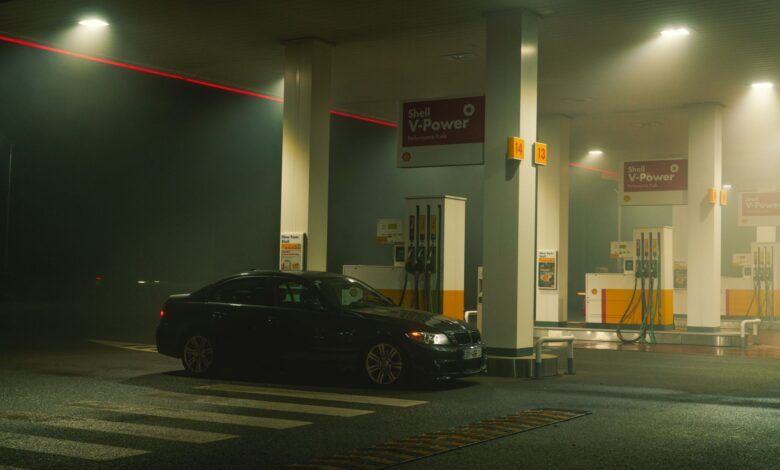
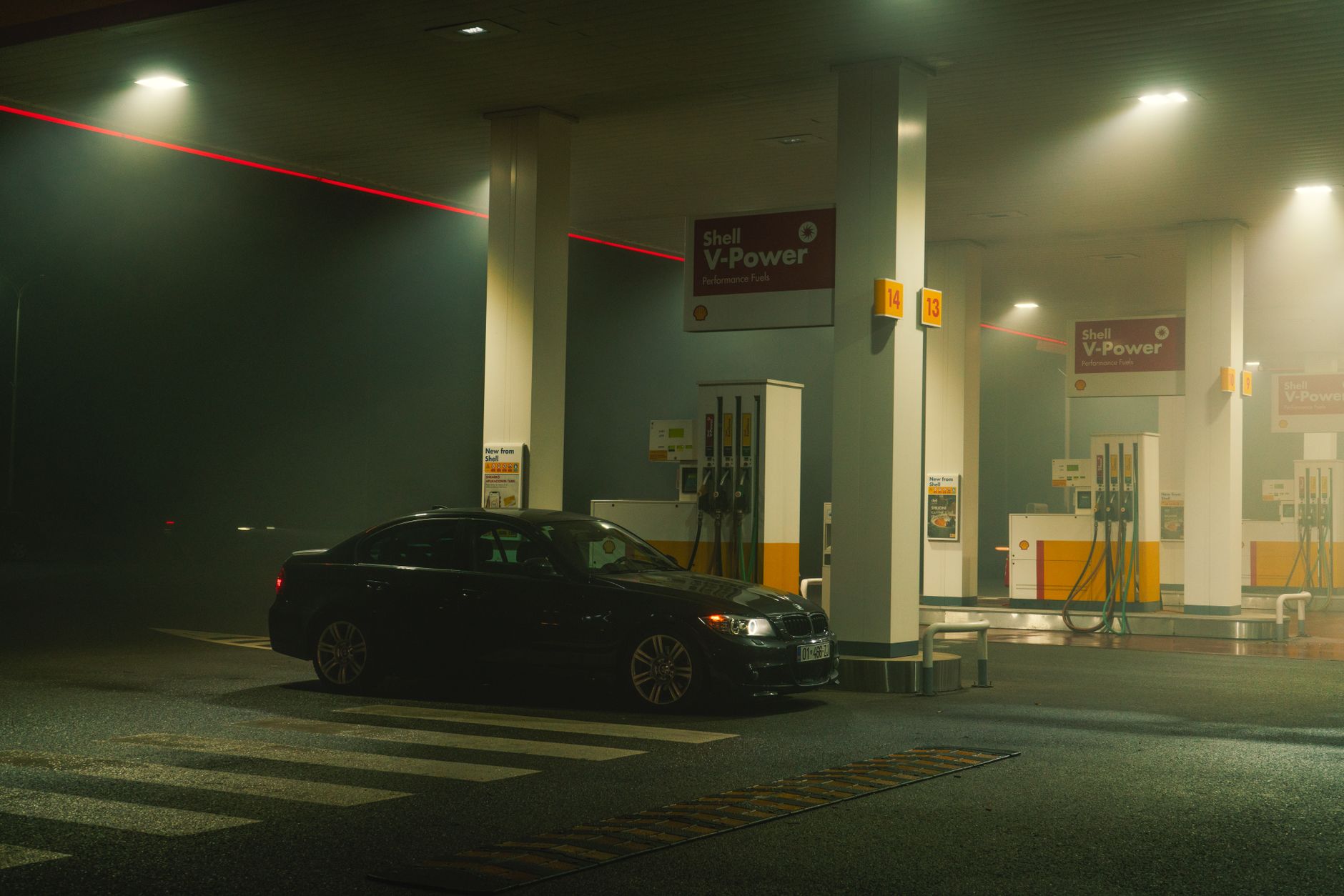
Fuel is the most visible price in Brazil because it touches almost everything else. The country moves most of its goods by road, so diesel feeds directly into the cost of tomatoes, rice, and beef long before they reach a shelf. Gasoline, meanwhile, is a daily expense for the middle-class commuter and the app-based driver alike. A rise at the pump is felt the same week, and a cut is rarely celebrated as loudly as an increase is resented.
The politics are complicated by who sets the price. Petrobras, the state-controlled oil company, decides what it charges refineries and distributors, and every Brazilian government has faced the same temptation: hold prices down to protect voters, then watch the company’s finances and investor confidence suffer. Lula’s government moved away from the strict import-parity formula that tied domestic prices to international markets, a decision defenders call common sense and critics call political interference. State fuel taxes add another layer, because governors can raise or cut them independently of Brasilia.
Food inflation works differently, and in some ways more perversely. Brazil is a farm superpower, exporting soy, coffee, corn, and beef to the world. When the real weakens or global demand rises, selling abroad becomes more profitable than selling at home, and domestic prices drift upward even in a country that grows far more than it eats. A good harvest does not guarantee cheaper dinners. It can simply mean a bigger export cargo.
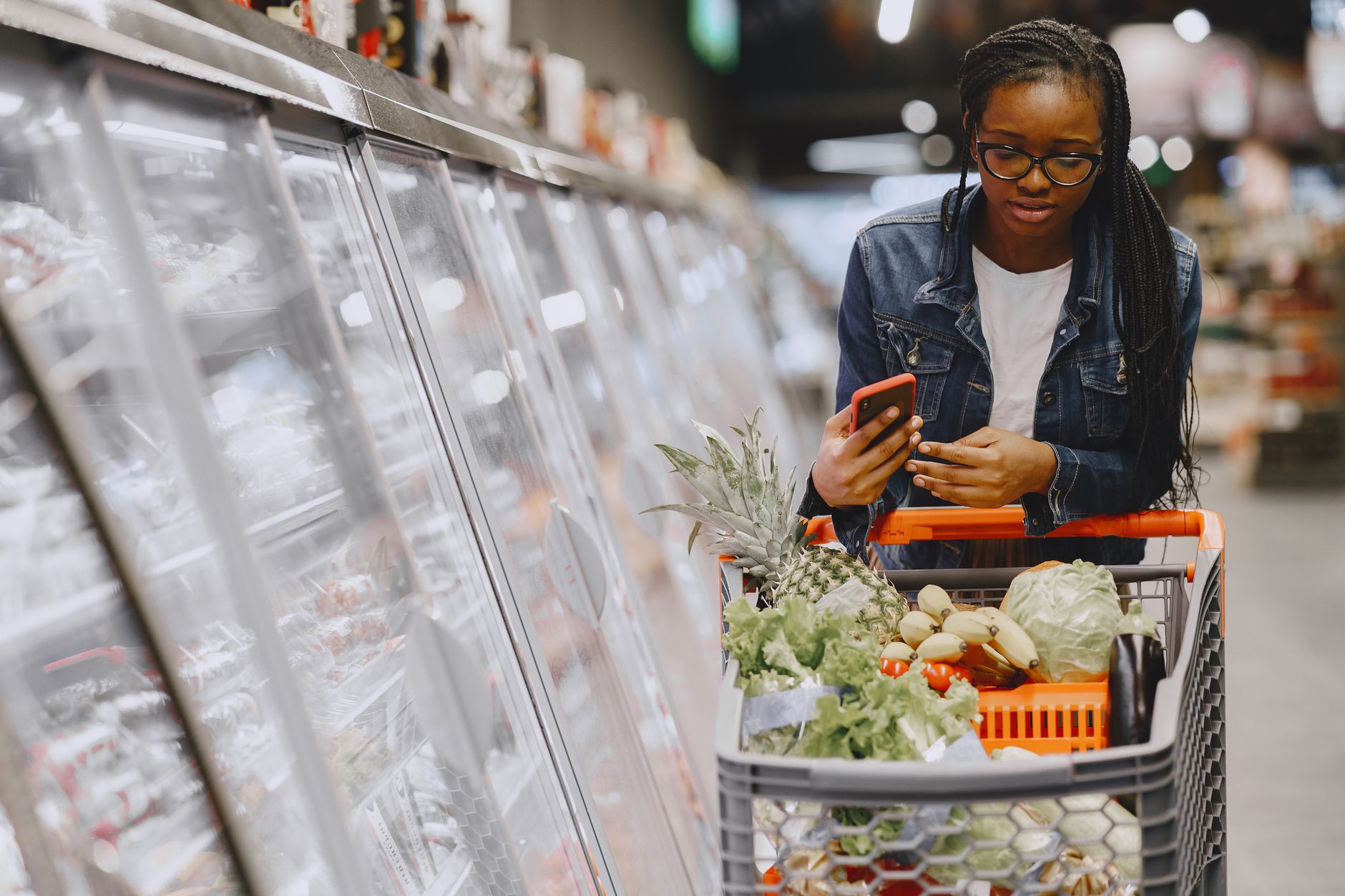
The government has tried to respond with tools within its reach, including lowering import duties on a range of staple foods and expanding income support for lower-earning families. These measures help at the margins, but they run into a wall of expectations. Voters who remember cheaper baskets do not credit a tariff cut with the same force that they blame a price jump.
Interest rates sit underneath all of this. Brazil’s central bank has kept borrowing costs among the highest in the world’s major economies to contain inflation, and that choice cools the economy while raising the cost of credit for households and small businesses. For a president courting working-class voters, the arithmetic is awkward: the policy meant to tame prices also squeezes the people he needs, and he has limited power to change it.
The Opposition’s Opening
Rivals do not have to promise cheaper food and fuel in precise terms. They only have to describe a government that has lost control of the household budget and offer a vague sense of discipline in its place. Fuel prices are especially useful for this because they are posted on roadside signs in big numbers, impossible to ignore and easy to photograph.
Lula’s counter is to frame the contest around who is protected when prices rise. He points to wage gains, social programs, and a tax exemption for lower earners as proof that his government works for people who feel prices most. Whether that holds depends on a quiet variable no campaign controls: what a liter of diesel costs in the weeks before ballots are cast, and whether a trucker, a bus fare, or a market stall passes the difference along.