

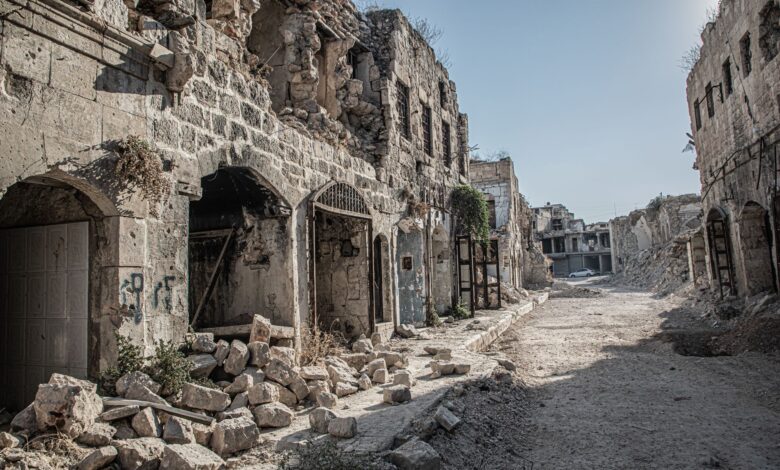
What does a ceasefire mean when one side has just taken the biggest prize of the war? That question has followed Gulf diplomats since El Fasher, the last major army-held city in Darfur, fell to the Rapid Support Forces in late October after a siege lasting more than a year and a half. Rights groups and UN bodies have described reports of mass killings, detentions and attacks on civilians trying to flee, and the scale of the suffering has pushed Sudan back onto agendas that had largely moved on.
The diplomacy meant to end the war was already strained. Now it is under pressure it was never designed to bear.
A Truce That Freezes the Map
Since fighting began in April 2023 between the Sudanese army under Abdel Fattah al-Burhan and the RSF under Mohamed Hamdan Dagalo, known as Hemedti, mediation has followed a familiar template. Saudi Arabia and the United States hosted the early Jeddah talks, and later proposals from the so-called Quad, which groups Washington with Riyadh, Abu Dhabi and Cairo, centered on a humanitarian truce that could open a path to political negotiations. On paper, a pause in fighting is the least controversial thing a mediator can ask for.
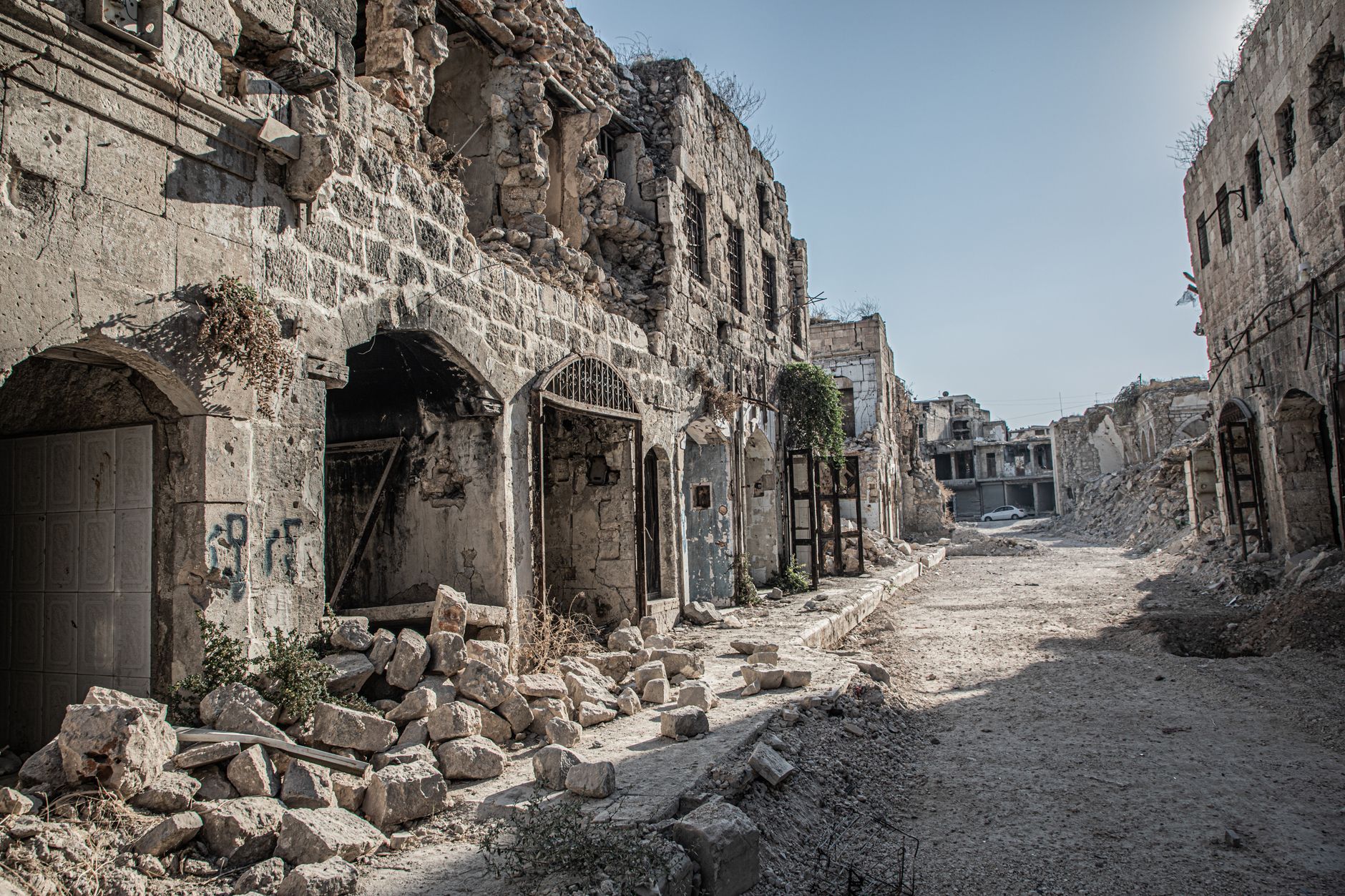
El Fasher turns that simple ask into a loaded one. With the city gone, the RSF holds every major urban center in Darfur, while the army holds much of the Nile valley and the east, including Khartoum, which it retook earlier this year. A truce signed along those lines would effectively confirm a divided country, with the RSF in control of the west. That gives the paramilitary force every reason to say yes to a pause, and gives the army every reason to say no.
This is why an RSF declaration of support for a humanitarian truce, made after the city fell, landed so awkwardly. Accepting a ceasefire costs the side that has just won very little, and the army read it as an attempt to bank gains and escape the pressure that followed reports of atrocities. Mediators who welcome the gesture risk appearing to reward it. Mediators who dismiss it risk being blamed for prolonging the war.
The Broker Who Is Also Accused of Being a Party
The Gulf’s difficulty is not only strategic but reputational. The United Arab Emirates has long faced accusations that it supplies the RSF with weapons and financial backing, which it denies. Saudi Arabia and Egypt are generally seen as closer to the army. A mediation effort whose sponsors are suspected of backing opposite sides in the war has always had a credibility gap, and El Fasher widened it.
Western governments that once treated the Gulf states as indispensable intermediaries are now being asked, by legislators and aid groups alike, why that access has not produced restraint. Each new report of abuses in Darfur sharpens the demand for the Gulf capitals to use whatever influence they hold over their preferred side. The denials from Abu Dhabi are firm, but denial is a thin shield when the evidence being cited is satellite imagery and the testimony of people who walked out of the city.
What Gulf Mediation Can Still Deliver
The realistic ambition is smaller than a peace deal. Humanitarian access is where mediators still have something to trade, because aid corridors, airfields and border crossings depend on the cooperation of governments in the region as much as on the warring parties. Getting food and medical supplies to people displaced from El Fasher does not require either side to concede the war, though both will try to control who benefits from it. A narrow agreement on access is harder to dismiss as a political favor to one camp.
The harder lever is arms and money. Wars on this scale are sustained by supply lines, and supply lines run through ports, airstrips and bank accounts that sit within reach of Gulf decision-makers. If the sponsors of the Quad process are serious about a truce, the pressure has to fall on the flow of materiel, not just on the language of communiques. Nothing in the diplomatic record suggests that this has happened at the scale needed, which is why every new round of talks is met with skepticism inside Sudan.
Then there is the Red Sea. Saudi Arabia has an obvious interest in a stable Sudanese coastline, and its ambitions for the region depend on a counterpart in Port Sudan that can guarantee security. The UAE has built commercial and political ties across the Horn of Africa that a prolonged war puts at risk. These interests do not align neatly, and a Sudan that fractures along the current front line would leave Riyadh and Abu Dhabi managing rival clients rather than a shared outcome.
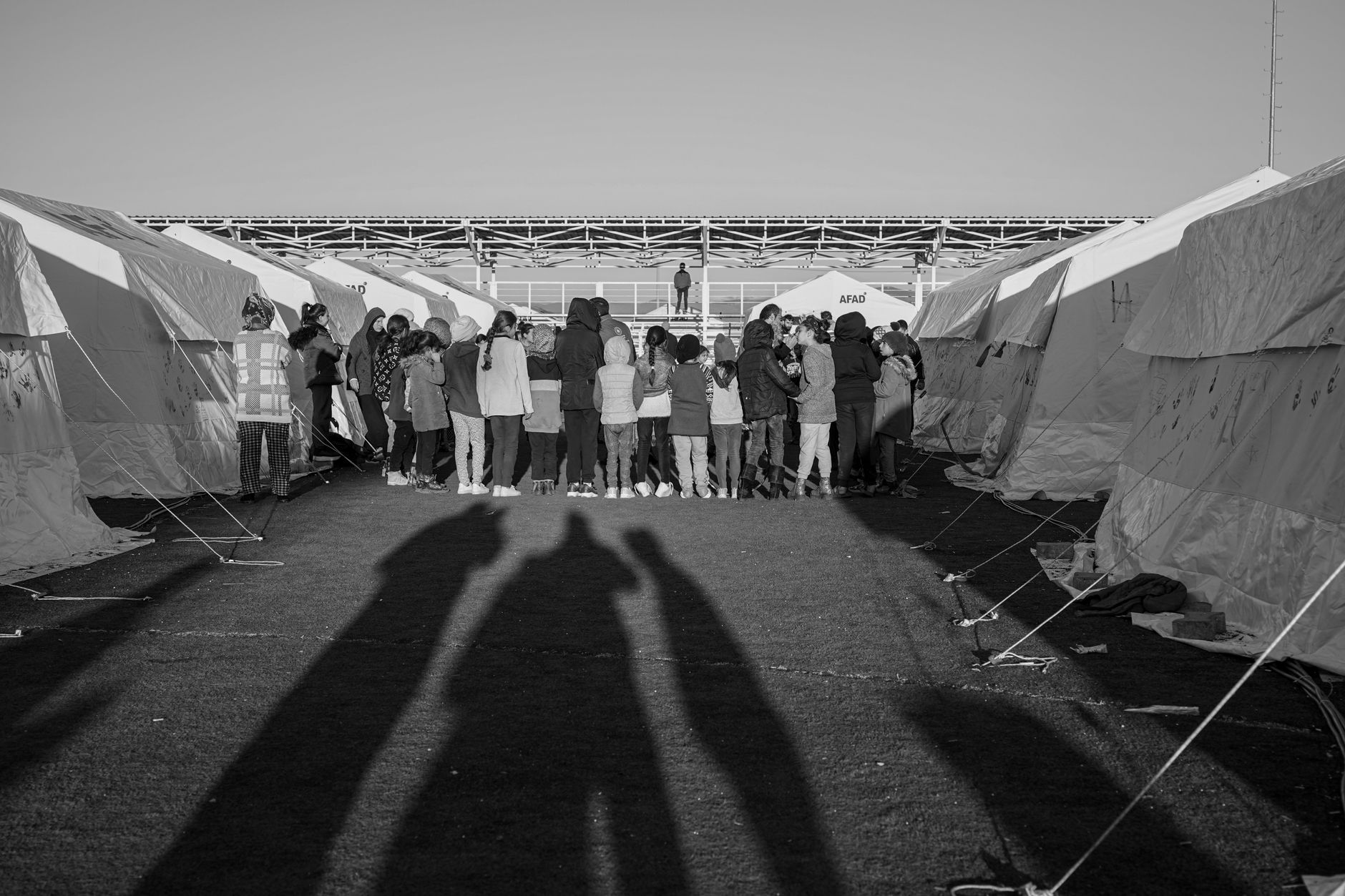
That rivalry may decide whether the Gulf can still speak with one voice. The RSF has built a parallel governing structure in the territory it holds, and the longer it administers Darfur, the less the army will regard a return to a unified state as negotiable on anything but its own terms. In Tawila, west of El Fasher, where many of those who escaped the city have sought shelter, the camps depend on aid routes that no truce text has yet guaranteed.