

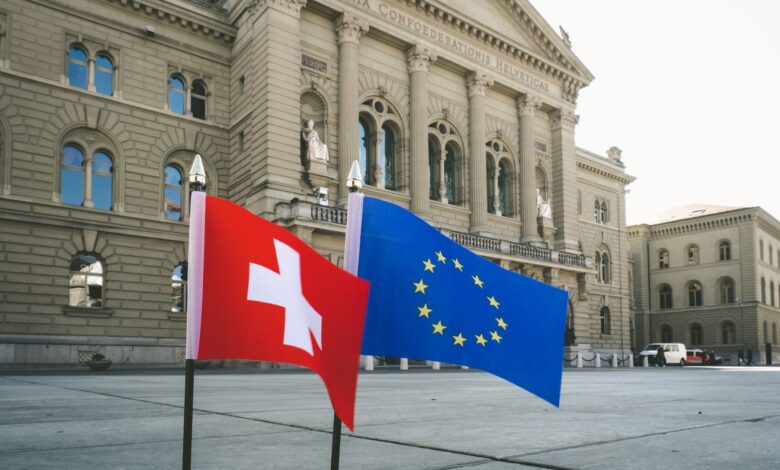
Negotiations that began in 2007, were shelved in 2013, and were revived in 2022 have still not produced a signed text between India and the European Union.
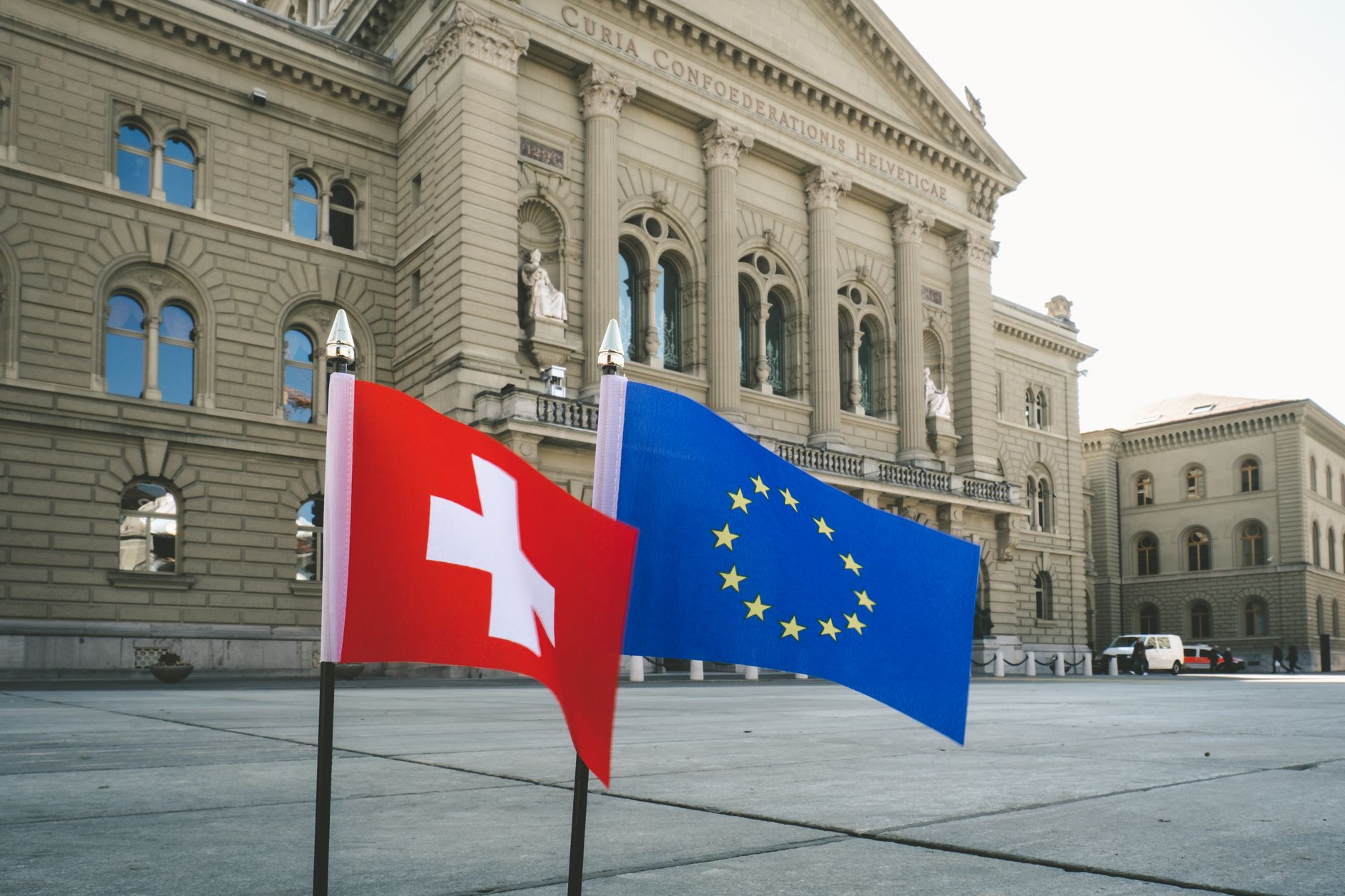
A Negotiation That Refused to Die
The original talks collapsed under the weight of mismatched ambitions. Brussels wanted deep tariff cuts on cars, wine and spirits, along with stronger protections for European investors. New Delhi wanted easier movement for its professionals and recognition of its services sector, particularly IT and business outsourcing. Neither side was willing to pay the other’s price, and the process went quiet for close to a decade.
The 2022 relaunch was structured differently. Instead of a single sweeping agreement, the two sides split the work into three tracks: a trade pact covering goods and services, a standalone investment protection agreement, and a separate accord on geographical indications, the rules that stop a product from borrowing the name of a famous region. Splitting the work let negotiators claim progress on one front while another remained stuck.
Geopolitics has done more to revive the talks than any trade argument. Supply chains built around a single dominant manufacturing hub looked fragile after the disruptions of recent years, and Europe’s dependence on a narrow set of suppliers became a boardroom concern as well as a policy one. India, meanwhile, wants more export markets for its manufacturers and wants to avoid being exposed to the tariff decisions of any one trading partner.
That shared nervousness has changed the tone. Officials on both sides now talk about a deal as a strategic necessity rather than a commercial nicety, and deadlines have been announced, missed and announced again with a regularity that suggests real intent, even if the text is not finished.
Where the Hard Bargaining Sits
Cars are the most visible fight. India has historically protected its domestic auto market with steep import duties, and European carmakers see lower tariffs as the single biggest prize on offer. Indian manufacturers, and the policymakers who have spent years courting local production, worry that a sudden flood of imported vehicles would undercut factories built on the promise of protection. Any compromise is likely to involve phased reductions, quotas or both, and the details matter more than the headline.
Agriculture and dairy are harder still. India’s farming sector supports an enormous share of the population, and the political cost of appearing to open it to European imports is high. The EU has its own sensitivities, with farmers across several member states already unhappy about regulations and competition. Both sides have signaled a preference for carving out their most delicate products, but carve-outs are themselves a negotiation, and each exclusion invites a request for a matching one.
The carbon issue is newer and, in some ways, more awkward. The EU’s Carbon Border Adjustment Mechanism puts a charge on certain imports, including steel, aluminium, cement and fertilisers, based on the emissions generated in making them. Indian exporters in those sectors argue the mechanism works like a tariff by another name, applied outside the trade agreement and without a seat at the table for the affected country. Brussels counters that it is an environmental measure applied evenly to everyone. For India, getting some flexibility or recognition of its own carbon pricing efforts has become close to a precondition.
Services and mobility sit on the other side of the ledger. India has long pushed for easier visas and recognition of qualifications so that engineers, consultants and other professionals can work in Europe without navigating 27 different rulebooks. The EU controls much of that through member state law, which means Brussels cannot simply promise what national capitals have not agreed to give. That gap between what the Commission can negotiate and what governments will accept has been a recurring obstacle.
Then there is the regulatory fine print. European rules on product standards, data protection, deforestation-linked supply chains and pharmaceutical intellectual property all touch Indian exporters. India’s generic drug makers, in particular, are wary of any clause that could extend patent protection or limit their ability to supply low-cost medicines. These are not the issues that dominate headlines, but they often decide whether a trade agreement survives ratification.
What a Signed Deal Would Change
For European companies, the draw is access to a consumer market that keeps growing and a manufacturing base that wants foreign partners. Lower duties could make it easier for firms in sectors like machinery, chemicals, wine and luxury goods to sell into India at competitive prices. For Indian exporters of textiles, leather goods, gems and jewellery, and processed foods, a trade agreement would remove an advantage currently enjoyed by rival producers in countries that already have preferential access to the European market.

The clock is not neutral, either. The carbon border charge moves from a reporting phase into real financial obligations in 2026, which means Indian steel and aluminium exporters will start paying whether or not a trade agreement exists to soften the blow.