


What happens to a trade agreement when the country that wrote most of its terms starts treating it as a bargaining chip? Canada and Mexico are about to find out. The USMCA, which took effect on July 1, 2020, comes up for its first formal joint review on its sixth anniversary, and neither government can assume a quiet rubber stamp.
Overview: What the 2026 Review Actually Is
The review is built into the agreement itself. Under its terms, the three governments meet at the six-year mark, and each must confirm in writing whether it wants to extend the pact for another 16 years. If all three say yes, the clock resets and the agreement runs to a fresh expiration date.
If any one of them declines, nothing collapses overnight. The agreement stays in force, but the parties move to annual reviews, and the original term still ends in 2036. That fallback is the most important feature of the design. It means a refusal to extend works as leverage, not as an exit, and Washington has more reason than either neighbor to use it that way.
The backdrop is not friendly. Since 2025, the United States has applied tariffs to Canadian and Mexican goods under a mix of authorities, including border-security and fentanyl justifications and sector-specific actions on steel, aluminum and vehicles. Goods that qualify under USMCA rules have received better treatment than those that do not, which gives the agreement a practical value it did not have when it was simply the default.
The agenda is wide. Auto rules of origin, labor standards, Mexico’s energy policy, Canadian dairy and digital policy, and the growing presence of Chinese investment and components in North American supply chains all sit on the table. This is a review in name, but in practice it is a renegotiation with a polite title.

Pros: The Case for Going In and Locking It Down
Preferential access still has real value
For both countries, the agreement’s central benefit is simple: predictable entry to the largest consumer market in the hemisphere. A manufacturer in Ontario or Nuevo Leon can plan investment around known rules, and that certainty is worth more when other trade policy is volatile. An extension would preserve that certainty for a generation, and a clean 16-year renewal would be the strongest signal to investors that North American production is a safe long-term bet.
The review mechanism protects against a sudden break
The structure of the agreement limits the downside of a failed round. Because refusing to extend triggers annual reviews rather than termination, Canada and Mexico are not negotiating with a cliff behind them. They can walk away from a bad offer and still operate under the existing rules for years. That is a genuine strength, and both governments should say so plainly at the table.
Shared interests give the neighbors common ground
Canada and Mexico compete for the same US buyers in some sectors, but they also share concerns: sector tariffs that hit integrated supply chains, pressure over Chinese content, and the risk that Washington splits the two and bargains with each separately. A coordinated position on auto rules and on dispute settlement is possible because their interests overlap on the issues that matter most to their factories.
Supply chains are too entangled to unwind quickly
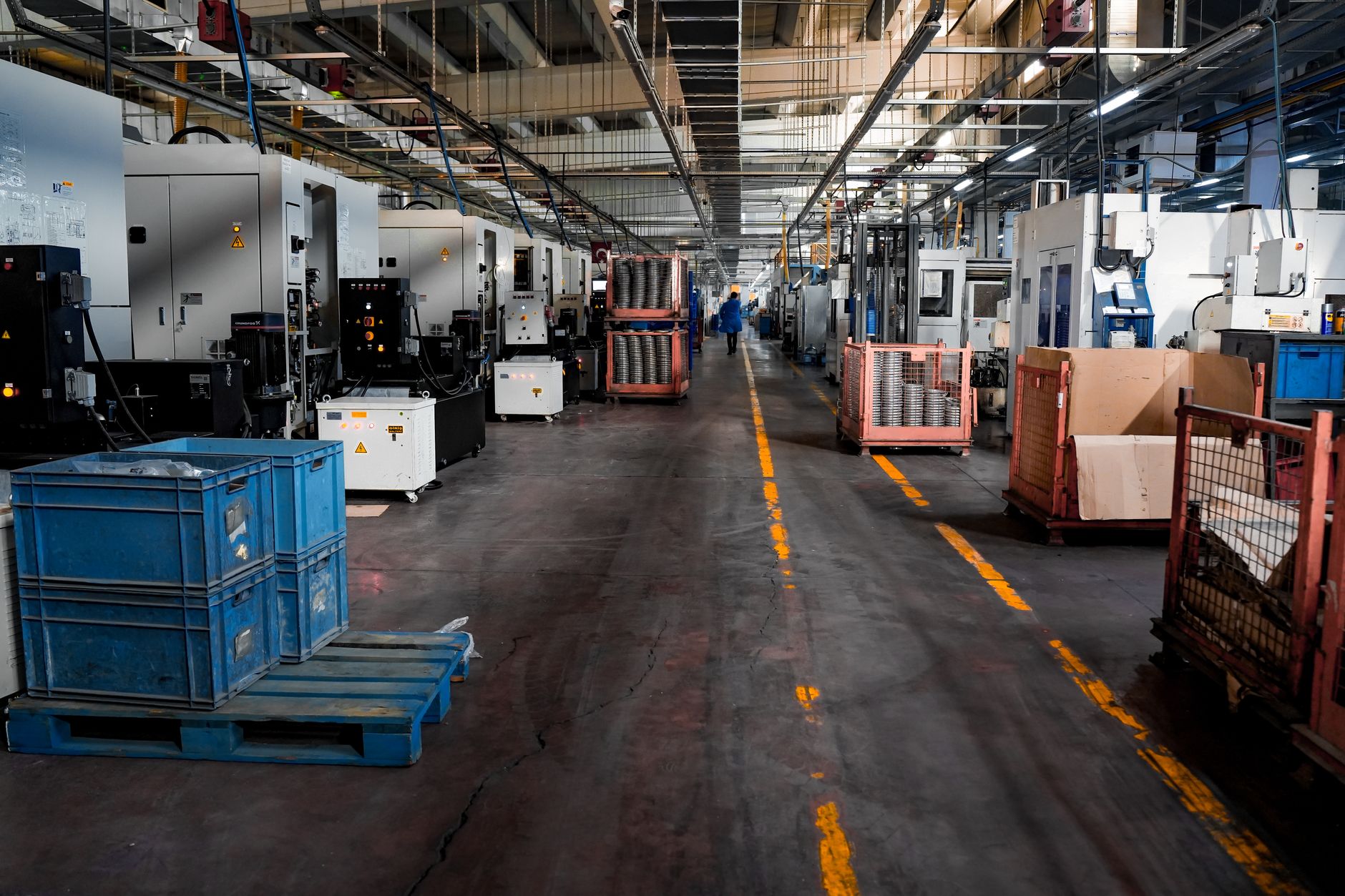
A vehicle assembled in North America can cross a border several times as parts are machined, stamped and installed before it reaches a showroom. Unwinding that web would raise costs for US manufacturers and consumers too. This gives Ottawa and Mexico City an argument that is not about generosity: pulling the system apart hurts American producers, workers and buyers.
Cons: The Risks Hiding in the Fine Print
The United States holds the strongest cards
The asymmetry is the biggest problem. The US economy is far larger than either neighbor’s, and both Canada and Mexico send a large share of their exports south. Washington can threaten to withhold its extension, add tariffs outside the agreement, or both at once. Negotiating under that pressure rarely produces balanced outcomes.
Tariffs outside the treaty undercut the treaty
Sector tariffs on steel, aluminum and vehicles have been imposed under authorities that sit apart from USMCA’s dispute system. That is a serious weakness. If the agreement guarantees access on paper while separate measures erode it in practice, then renewing the text without addressing those measures buys less than it appears to.
Sovereignty-sensitive demands are on the list
Some US asks touch domestic policy that Canadians and Mexicans treat as untouchable. Canada’s supply-managed dairy system has been a flashpoint through every trade negotiation in recent memory, and Ottawa has legislated limits on what its negotiators can concede there. Mexico faces its own pressure over energy rules that favor state companies, and over regulatory disputes such as the genetically modified corn case, in which a USMCA panel ruled against Mexico’s restrictions in late 2024. Conceding on these fronts carries a political cost at home.
Stricter origin rules could raise costs for everyone
Washington wants more North American content in vehicles and tighter controls on inputs tied to China. The goal is understandable, but higher regional content thresholds are not free. If rules become so demanding that carmakers decide paying the tariff is cheaper than complying, the agreement’s preference margin stops doing its job. Mexico, where much of the assembly and parts work happens, would feel that first.
Uncertainty is itself a cost
Even if the review ends in a deal, the months of speculation beforehand can freeze investment. A company deciding where to build a plant that will operate for decades does not want to guess whether the rules will exist in 2036. An annual review cycle, if it begins, would keep that question open every year.

Verdict: Negotiate Hard, and Do Not Pay Any Price for Signature
Recommendation: pursue the 16-year extension, but treat the annual-review fallback as a legitimate outcome rather than a failure.
The logic is straightforward. A clean extension is worth having because it gives manufacturers, farmers and exporters the planning horizon they need. But an extension bought with concessions on dairy, energy sovereignty or open-ended origin rules, while tariffs outside the treaty stay in place, would lock in the costs and leave the benefits uncertain. A deal like that is worse than the review track, which keeps the agreement alive while keeping bargaining power intact.
Canada and Mexico should therefore set three conditions for agreeing to renewal. First, relief or clear limits on the tariffs that hit goods otherwise meeting USMCA rules. Second, origin requirements that tighten supply chains without pricing out the carmakers who rely on them. Third, a dispute process that actually binds all three parties, so that the next panel ruling does not depend on who is happy with the result.
Coordination matters as much as the conditions. If the two neighbors negotiate in parallel instead of in sequence, Washington loses the ability to settle with one and use that settlement as a template against the other. Bilateral side deals might look attractive to whichever government gets one first, but they would weaken the trilateral structure that gives both countries their leverage.
The weakness in this recommendation is obvious: it assumes Ottawa and Mexico City can hold a joint line while each faces domestic pressure to cut its own deal. If one blinks first, which capital would it be?