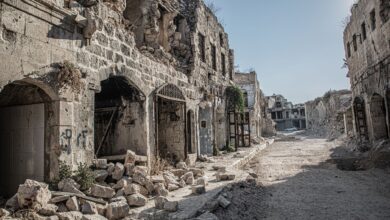

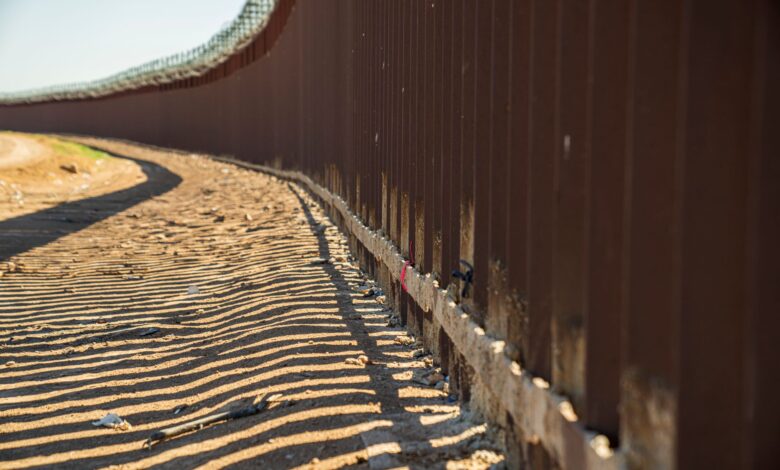
A temple, a colonial-era map and a frontier that neither side agrees on. That combination has pushed two ASEAN members into open combat, and a bloc built on staying out of its members’ business now has to decide how much business it is willing to take on.
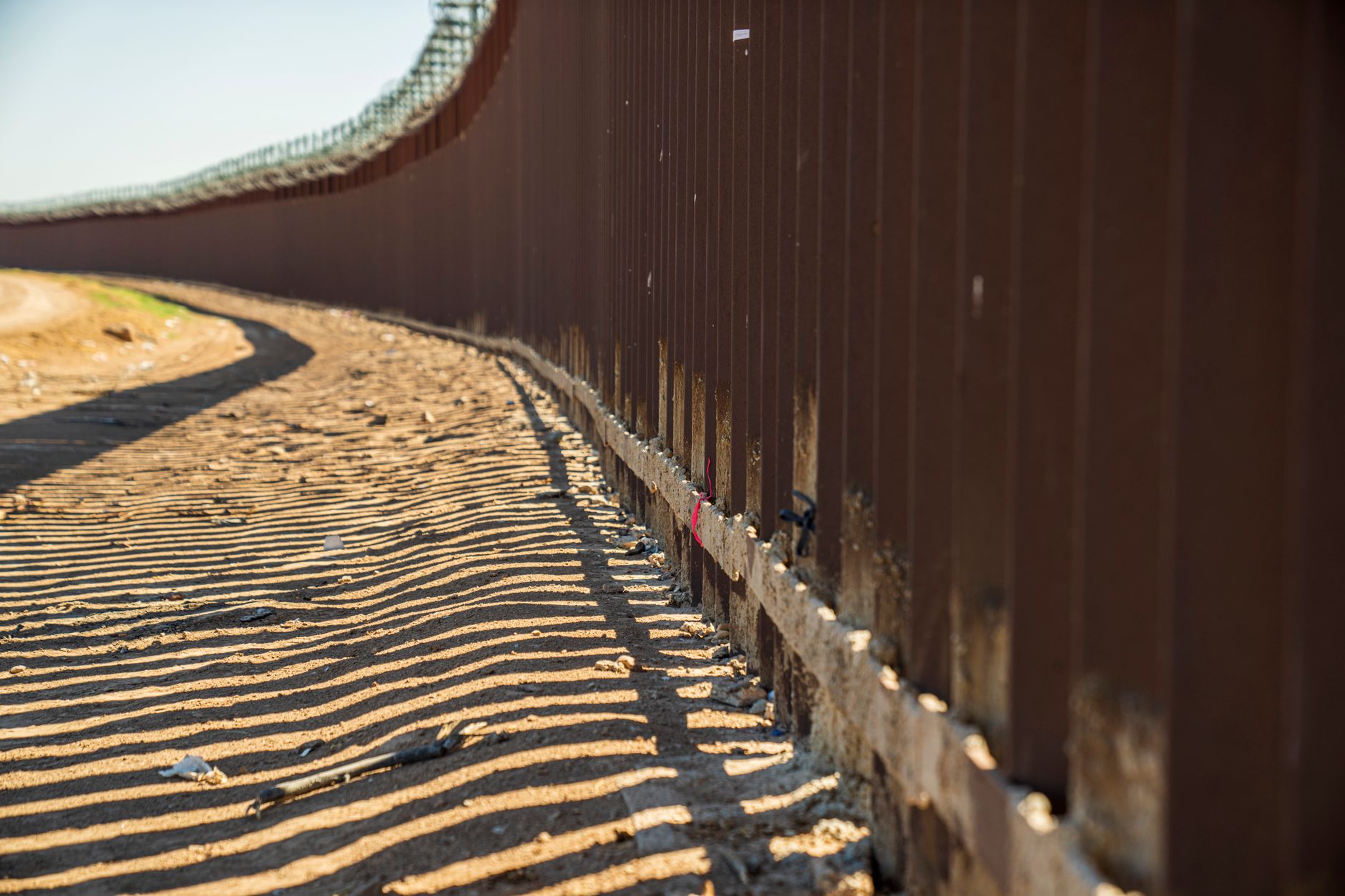
A Frontier Drawn by Outsiders
The dispute begins with cartography. The roughly 800-kilometer boundary between Thailand and Cambodia traces back to surveys carried out during the French colonial period, and the maps produced then have been contested ever since. Thailand has long questioned how those lines were drawn and applied. Cambodia treats them as the legal baseline. Small differences on paper translate into large differences on the ground, especially around ancient Khmer temples that sit directly on the frontier.
Preah Vihear is the best-known flashpoint. The International Court of Justice ruled in 1962 that the temple belongs to Cambodia, but the land around it was never settled to Thailand’s satisfaction. When the temple received UNESCO World Heritage status in 2008, nationalist anger flared on both sides, and deadly exchanges of fire followed in 2011. Cambodia returned to the ICJ, which in 2013 reaffirmed its earlier ruling and clarified the area it covered. The court settled the temple’s ownership and left the wider boundary question open.
That open question resurfaced in 2025. A deadly clash in late May, in which a Cambodian soldier was killed, set off a rapid cycle of border closures, trade restrictions and public recriminations. A leaked phone call between Thailand’s then-prime minister and Cambodia’s Hun Sen turned a military problem into a domestic political crisis in Bangkok, and she was suspended from office. When artillery and air power came into play in late July, the fighting displaced large numbers of civilians on both sides of the line.
What makes this round different from 2011 is the surrounding politics. Both governments face audiences that reward toughness and punish compromise. A border that was once a diplomatic irritant has become a test of leadership credentials, and that makes every concession look like surrender.
The Limits of the ASEAN Toolkit
ASEAN’s founding habits cut against forceful mediation. The bloc operates on consensus and non-interference, which means it can host, encourage and convene but has almost no means of compelling. It has no peacekeeping force, no binding arbitration arm and no mechanism for penalizing a member that breaks a ceasefire. Those features helped a diverse group of states coexist for decades. They are a poor fit for a shooting war between two of them.
On paper, the organization does have a dispute-resolution framework. The Treaty of Amity and Cooperation, signed in 1976, includes a High Council meant to handle disputes among signatories, and procedures for it were adopted in the early 2000s. The council has never been convened. No member has been willing to be the first to submit its quarrel to a body that could be read as a verdict on its conduct, so the machinery sits unused while crises are handled through improvised phone calls and ad hoc meetings.
The 2011 episode showed what improvisation looks like. Indonesia, then chair, pushed to send observers to the contested zone, and the idea stalled over Thai reluctance to accept any arrangement that looked like outside supervision. Bangkok has consistently preferred bilateral channels, such as its joint border committees, and has been wary of anything that internationalizes the dispute. Cambodia has taken the opposite view, appealing to the ICJ, the UN Security Council and regional partners whenever it sensed an advantage in doing so. Each side’s preferred forum reflects where it believes it is stronger.

In 2025, Malaysia, as ASEAN chair, took a more hands-on role, hosting leaders in Putrajaya for talks that produced a ceasefire. It was a real result, and it showed that the chair’s personal diplomacy can matter even without institutional muscle. But the process also revealed how crowded the field has become. Washington applied pressure through trade leverage, Beijing maintained its own contacts with both capitals, and an accord signed in Kuala Lumpur in October carried as much weight from the presence of outside powers as from the regional host. Thailand later suspended its participation after landmine incidents injured its soldiers, and renewed fighting followed. Whether the agreement survived on ASEAN’s authority or on external attention is a question the bloc would prefer not to answer.
There is a practical lesson in that sequence. Ceasefires brokered by a chair’s goodwill hold only while both governments find it costly to break them, and ASEAN cannot raise that cost on its own. It can supply monitors, a venue and a face-saving formula. It cannot supply consequences.
What Happens on the Ground
The most pressing work is far from the summit rooms. Landmines are a persistent hazard along stretches of the frontier, and each reported blast gives hardliners a ready argument that the other side is acting in bad faith. Verifying who placed a device, and when, is a technical task that requires neutral observers with access to both sides. That is precisely the kind of role an ASEAN observer team could fill, if both governments agreed to its terms and its mandate was defined narrowly enough to avoid sovereignty objections.

The harder problem is that a monitoring mission can freeze a conflict without resolving it. The temples, the disputed maps and the domestic incentives for toughness will all still be there after the guns go quiet. If ASEAN wants to be more than a host for the next round of talks, it will have to decide whether a body that has never convened its own High Council is ready to use one now.