


A Quiet Shift on the Defense Contracting Floor
Boeing’s ongoing struggles with major defense contracts – cost overruns on the T-7A Red Hawk trainer jet, delays on the KC-46 tanker program, and persistent production headaches across multiple military platforms – have done something counterintuitive to its chief rival. Rather than handing Lockheed Martin a clear competitive advantage, Boeing’s difficulties have actually complicated Lockheed’s bidding position in ways that weren’t immediately obvious when the problems first surfaced.
The Pentagon has grown cautious. Not just about Boeing specifically, but about the entire model of awarding large, winner-take-all defense contracts to a single prime contractor. That caution is now showing up in procurement decisions, evaluation criteria, and the way the Department of Defense structures new competitions – and Lockheed, which built its modern dominance on exactly that model, is feeling the friction.

How Boeing’s Problems Became the Industry’s Problem
When a major defense contractor stumbles publicly and repeatedly, the instinct inside the Pentagon shifts from competition to risk management. Program officers and acquisition officials have watched Boeing absorb billions in losses on fixed-price development contracts – a structure the DoD itself pushed aggressively in the 2010s as a cost-control mechanism. The T-7A alone has generated write-downs that would have destabilized a smaller company. The lesson the DoD quietly absorbed: fixed-price development deals concentrate financial risk in ways that can break programs entirely.
That lesson is reshaping how new contracts get written. A growing number of recent solicitations have included stronger provisions around cost-sharing, milestone-based payment structures, and dual-source production arrangements. These changes protect the government, but they also dilute the financial upside that makes a big, winner-take-all contract so attractive to a prime contractor in the first place. Lockheed, which has historically excelled at locking in sole-source production runs after winning a development competition, now faces a procurement environment where the prize is structurally smaller and more conditional than it used to be.
There’s also a subtler dynamic at play. Boeing’s visible distress has given smaller defense companies – L3Harris, Textron, Northrop Grumman on specific platforms – more credibility in conversations about competition. Program managers who once defaulted to Boeing or Lockheed as the only realistic choices for complex systems are now more willing to consider alternative primes or split the work across multiple vendors. That shift doesn’t show up in any single contract award, but it shows up in the competitive landscape Lockheed navigates every time a new requirement hits the street.

Lockheed’s Position Is Stronger Than It Looks – and Weaker Than It Seems
Lockheed Martin’s order book remains deep. The F-35 program alone generates a volume of recurring production and sustainment revenue that insulates the company from short-term turbulence in any single competition. That’s the surface view, and it’s accurate as far as it goes.
But the F-35’s very success carries its own complications. The program is under constant political and budgetary scrutiny, unit costs remain a recurring flashpoint in Congressional budget debates, and international partners periodically threaten to reduce orders when political relationships with Washington cool. Lockheed’s reliance on the F-35 as its financial foundation means any serious disruption to that program – whether from budget pressure, a competing platform from a foreign supplier, or a DoD decision to accelerate next-generation fighter development – lands harder than a comparable disruption would at a company with a more diversified prime contract base.
Where the Bidding Edge Actually Erodes
The erosion isn’t happening on the F-35 line or in satellite production. It’s happening in the mid-tier competitions – the contracts for next-generation logistics vehicles, advanced training systems, and the emerging category of autonomous and uncrewed platforms where the rules of the old prime contractor model haven’t fully solidified yet. These are competitions where Lockheed’s traditional advantages – deep program management experience, established government relationships, and a brand that signals low execution risk – matter less than they used to, because the DoD is actively trying to introduce new entrants into the market.
Boeing’s stumbles have accelerated that intent. Pentagon acquisition officials have cited the risks of over-dependence on any single large contractor in internal reviews, and those reviews have translated into policy preferences for competitive prototyping, other transaction authority agreements, and consortium-based development arrangements that deliberately fragment the work. Lockheed can participate in those structures, but it cannot dominate them the way it can dominate a traditional development-and-production competition.
There’s also a reputational math that works against Lockheed in specific contexts. When Boeing visibly fails to deliver, defense committee members and their staffs don’t just punish Boeing – they ask broader questions about contractor accountability across the industry. Lockheed has its own history of cost growth on the F-35, on certain satellite programs, and on elements of the missile defense architecture. Those histories get surfaced in oversight hearings more readily when the general mood on Capitol Hill is adversarial toward large defense contractors. Boeing’s problems keep that mood elevated.
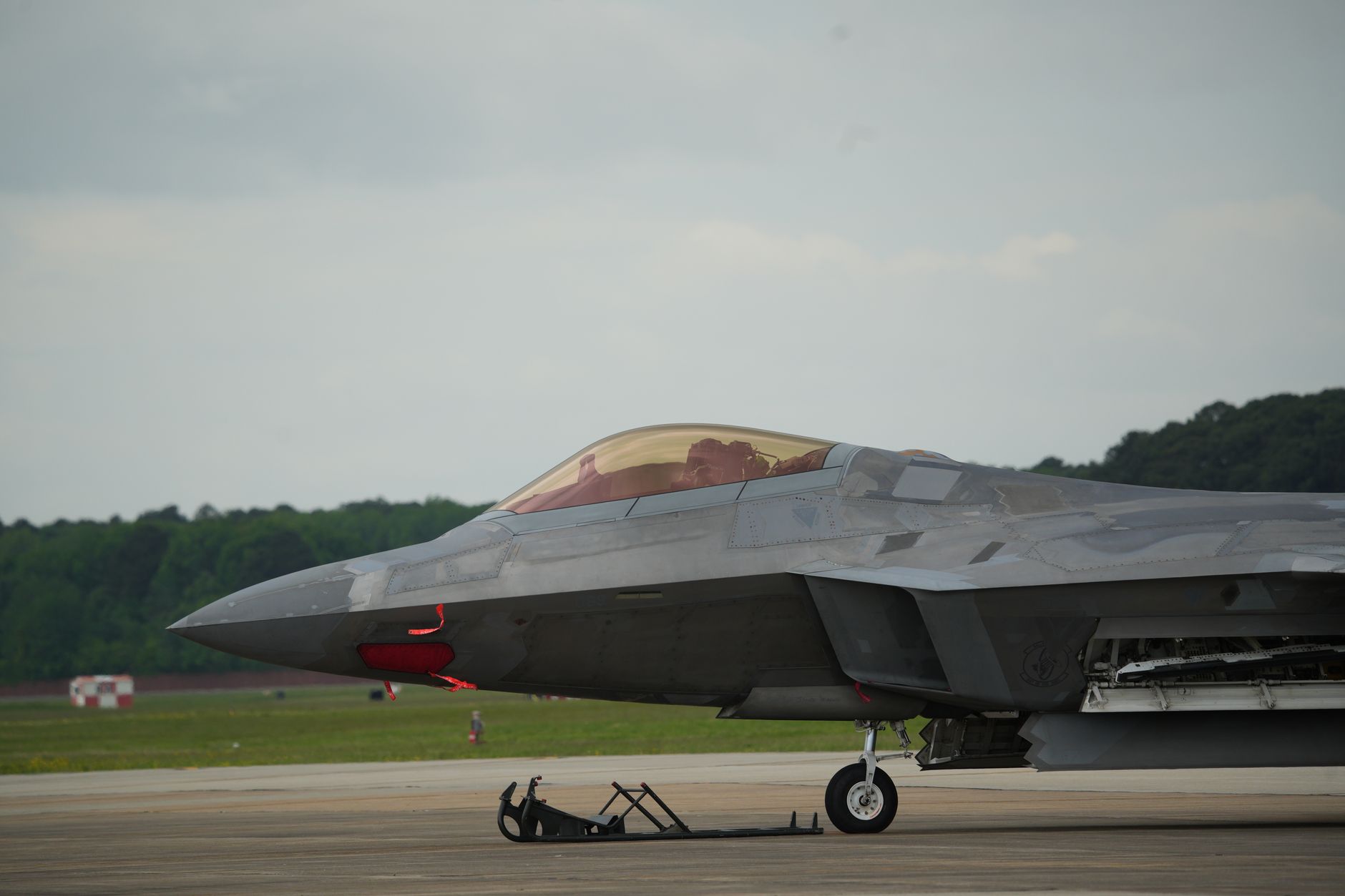
The competitive picture that’s taking shape isn’t one where Lockheed loses major programs it would otherwise have won. It’s more granular than that. Lockheed is competing for some contracts on terms that are less favorable than they were five years ago, in an environment where the government is structurally more skeptical of concentrated prime contractor power, and against a background noise of Boeing-related controversy that keeps Congressional scrutiny of the whole sector at a higher pitch than the company would prefer. None of that produces a headline loss. It produces a slow, compounding pressure on the margins where Lockheed’s bidding edge used to be widest – and that’s exactly the kind of pressure that’s hardest to counter with a press release or a lobbying push.