
Zara’s Accelerating Pace Sets a Costly Benchmark
Zara’s parent company Inditex has sharpened its already aggressive production cycle to a degree that is making H&M’s ongoing margin recovery look increasingly fragile. While H&M has spent the better part of two years working to cut costs and stabilize profitability, Inditex has been quietly tightening its grip on the fast-fashion calendar – and the pressure is starting to show in H&M’s numbers.
How Inditex Is Rewriting the Speed Playbook
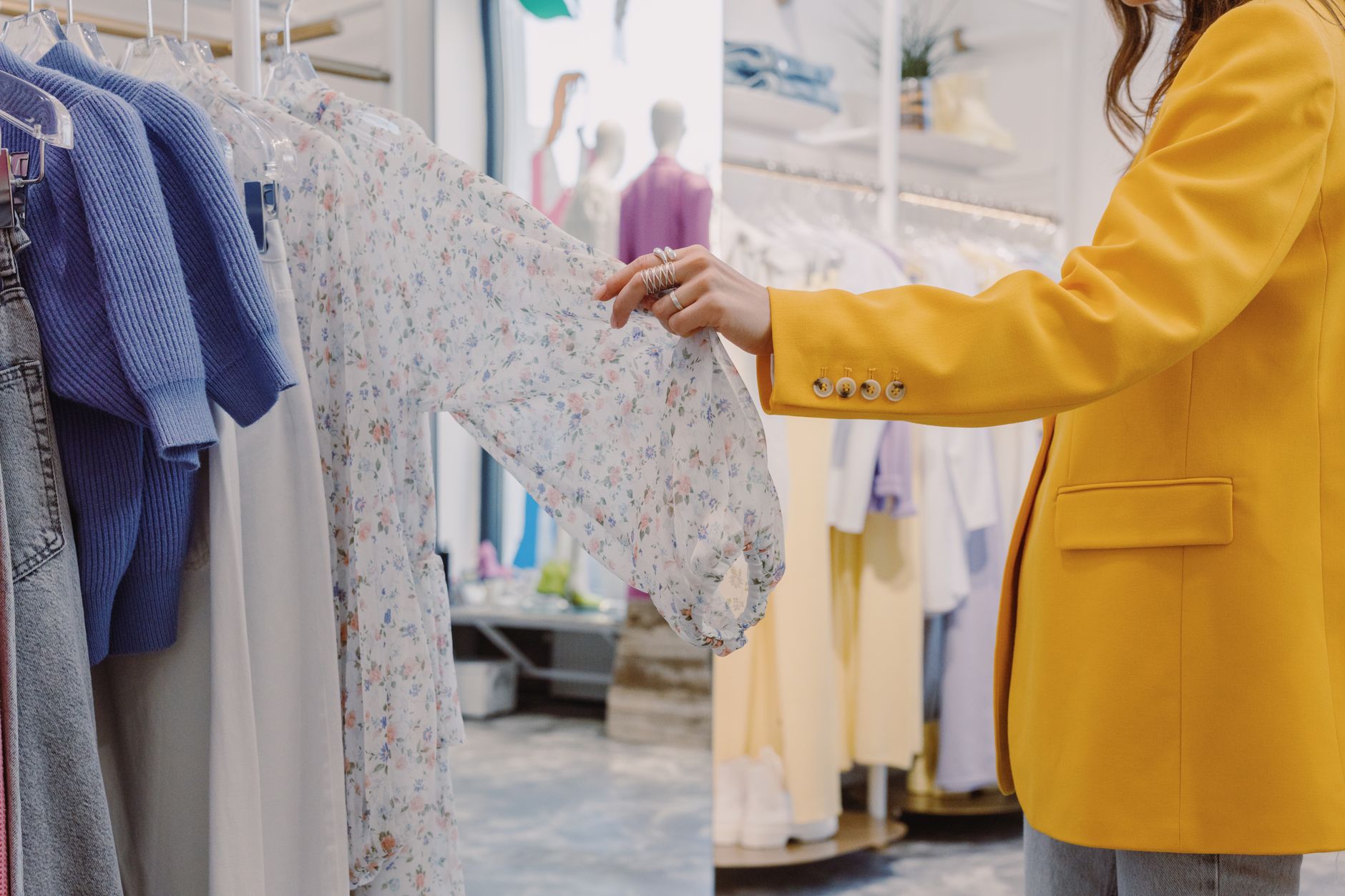
Inditex has historically operated on a design-to-shelf cycle that rivals could never quite match. What is changing now is not just speed but precision. The company has invested heavily in on-demand manufacturing capacity, concentrating production closer to its European markets rather than relying on the longer lead times associated with distant sourcing. This allows Zara to respond to micro-trends within days, placing styles on racks while competitors are still adjusting their seasonal plans.
The strategic logic is straightforward: shorter lead times mean less unsold inventory, and less unsold inventory means fewer markdowns. In fashion retail, the markdown is the enemy of margin. Every percentage point of gross margin that Zara avoids losing to clearance pricing is a point that H&M has to fight to recover through operational restructuring, store closures, and supply chain renegotiations. Inditex does not need to restructure because it never let the problem accumulate in the first place.
Inditex reported gross margins that have remained remarkably stable even as global logistics costs spiked and cotton prices fluctuated. The company’s ability to absorb input cost pressure without passing the full burden to consumers – and without sacrificing margin – comes directly from this inventory discipline. When you are not sitting on warehouses full of last season’s product, your cost structure stays clean. That is a structural advantage, not a seasonal one.
What makes this particularly difficult for H&M to counter is that Inditex’s model is not easily copied in the short term. Proximity sourcing requires established supplier relationships, localized production partnerships, and significant investment in logistics infrastructure. H&M has been building toward some of these capabilities, but the gap in execution remains visible. H&M’s recent quarterly results showed improvement in gross margin, but the trajectory is uneven – and Zara is not slowing down to wait.
H&M’s Recovery: Real Progress, Real Limits
H&M’s margin recovery over the past several quarters is genuine. The company has reduced its store footprint in underperforming markets, renegotiated supplier contracts, and pushed harder on its digital sales channels. These moves have produced measurable results: gross margins have climbed back from the lows that worried investors in 2022 and early 2023. The question is whether those gains can hold while Zara continues to intensify competition at the premium end of the fast-fashion segment.
The tension sits in the middle of the market. H&M has historically competed on price, offering trend-adjacent pieces at accessible price points. But Zara has moved effectively into a position where it offers trend-forward pieces at prices that are only moderately higher, backed by a fresher rotation of stock. When consumers perceive Zara as offering better value for a slight premium, H&M’s volume-driven model faces real pressure. Holding margin while losing pricing authority is a difficult balance to maintain.
H&M has attempted to address this through its brand portfolio – including & Other Stories and COS, which target a more design-conscious, higher-spending customer. These labels carry better margins than the core H&M line and help insulate the group from pure price competition. But they are not large enough to move the overall group margin needle significantly. The core H&M brand still drives the bulk of revenue, and that brand remains in direct competition with Zara on the high street and online.
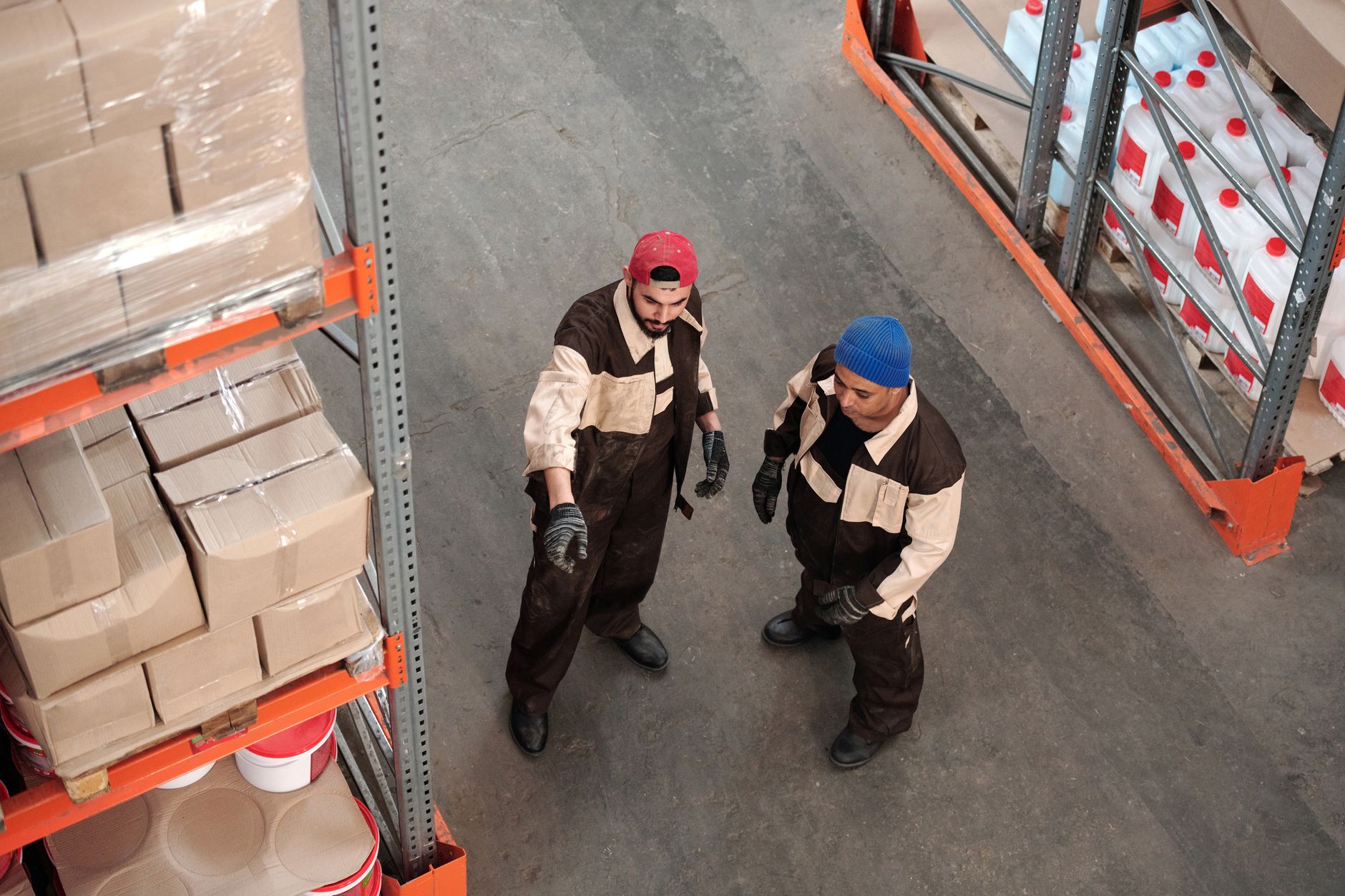
Inventory management remains H&M’s most persistent operational challenge. The company carries more inventory risk than Inditex because its sourcing model involves longer lead times and larger batch orders. That means more exposure when a trend misses or a season runs warm. H&M has been working to improve its forecasting tools and reduce order minimums with suppliers, but these are gradual improvements. Meanwhile, Zara’s model continues to produce what amounts to a rolling hedge against trend risk – if a style does not sell, the next wave is already on its way.
There is also a digital dimension to this pressure that does not get enough attention. Zara’s app and e-commerce experience have improved considerably, and the brand’s social media presence generates a consistent cycle of product drops that keep engagement high without requiring heavy discounting to drive traffic. H&M’s digital performance has improved, but its promotional calendar still leans on sale events more heavily than Zara’s does. Sale events are margin killers, and H&M has not fully broken free of that dependency.
What the Margin Gap Signals Going Forward
The margin gap between Inditex and H&M is not catastrophic, but it is persistent. Inditex has consistently operated at a gross margin above H&M’s by several percentage points, and that spread has widened rather than narrowed as both companies responded to the same external pressures – inflation, shipping disruptions, shifting consumer demand. When two companies face identical headwinds and one comes out structurally stronger, the difference is model, not luck.
H&M’s leadership has acknowledged the need to rethink its operating model at a fundamental level, and some of those changes are visibly underway. But Zara’s acceleration means H&M is essentially trying to close a gap that keeps moving. The more interesting question may not be whether H&M can match Zara’s margin, but whether it can carve out a distinct enough position in the market to stop chasing it entirely – and what that repositioning would actually cost shareholders in the transition.