


What happens when the world’s most indebted major economy asks its bond market to stand on its own? For more than a decade, Japanese government bonds were the quietest corner of global finance, a market where trading could stall for entire sessions because the central bank held such a commanding share of it. That silence has ended. Long-term yields have climbed to levels not seen in a generation, and auctions of the longest-dated debt have at times drawn thinner demand than the Ministry of Finance would like.
The timing is awkward for the Bank of Japan. Having exited negative interest rates and begun nudging its policy rate higher, the bank is trying to normalize policy without setting off a disorderly repricing of the debt that underpins the Japanese state. Every rate decision now carries a second audience: bond traders who are watching for signs that the central bank is either behind the curve or moving too fast.

A Market Built on Central Bank Demand
Under yield curve control, the Bank of Japan effectively capped the benchmark ten-year yield and bought bonds in whatever quantity was needed to defend that ceiling. The policy worked as designed, but it also hollowed out the market. When one buyer is willing to absorb unlimited supply at a fixed price, other investors have little reason to trade actively, and the price signals that normally flow through a bond market go dim.
Dismantling that framework restored price discovery, and price discovery is now delivering opinions the central bank cannot simply overrule. The traditional domestic buyers of very long bonds, such as life insurers and pension funds, have their own constraints and do not always step in at the pace the government’s issuance requires. When that demand softens at the long end, yields jump in a way that a policy rate decision cannot directly fix.
Why Long-Dated Yields Are the Pressure Point
It helps to separate two things that often get blurred together. The Bank of Japan sets the overnight policy rate directly, so it controls the short end of the curve. Yields on 20-year, 30-year and 40-year bonds are set by buyers and sellers, and those investors are pricing in inflation, fiscal supply and their own appetite for duration risk. A central bank can influence those factors, but it cannot dictate them.
The fiscal backdrop makes that influence harder to exert. Japan’s public debt is large relative to the size of its economy, and political debate over spending increases and tax cuts keeps raising the question of how much new borrowing is coming. Bond investors do not need to doubt Japan’s solvency to demand more compensation for holding long-dated paper. They only need to expect that supply will remain heavy while the largest buyer in the room is stepping back.

That step back is deliberate, and it is a source of friction.
The bank has been scaling down its bond purchases on a set schedule, and it has shown willingness to adjust the pace of that reduction when markets wobble. That flexibility is sensible, but it also tells traders that the central bank is watching the same screens they are. A taper that bends under pressure invites investors to test where the bending point is, and each test can push long yields a little higher before the bank signals that it has noticed.
The Rate Path Dilemma
The case for continuing to raise rates is straightforward. Inflation has run above the bank’s target for an extended stretch, wages have been rising more firmly than in the deflation years, and a weak yen raises the cost of imported energy and food. Keeping the policy rate far below prevailing inflation risks letting price pressures settle in, and it leaves the currency vulnerable to further slides. A central bank that waits too long can end up forced into larger, more disruptive moves later.
The case for caution is just as concrete. Higher yields feed directly into the government’s interest bill, and they raise the value of unrealized losses on bonds held by banks and regional lenders. If the bank hikes into a jittery market, it risks confirming the worry that policy tightening and fiscal strain are colliding. There is a counterargument that credible, gradual tightening can actually steady long yields by reducing fears of an inflation overshoot, but that outcome depends on investors believing the path is predictable.
What Global Investors Are Watching
Japan’s bond market does not stay inside Japan’s borders. Japanese institutions are among the largest foreign holders of US Treasuries, and when domestic yields rise, the arithmetic of holding overseas debt changes. If a Japanese insurer can earn a better return at home with no currency risk, some of that money may come back, and the effect would ripple into other government bond markets. The yen carry trade adds another channel: the August 2024 market turmoil that followed a Bank of Japan rate hike showed how quickly borrowing in yen to fund bets elsewhere can unwind.
For the central bank, the practical toolkit is narrow but not empty. It can slow or pause its taper, adjust purchases in specific maturities where trading becomes disorderly, and use its communication to reduce surprises. None of those tools lowers the underlying supply of bonds or changes the inflation outlook, so they work best as shock absorbers rather than solutions.
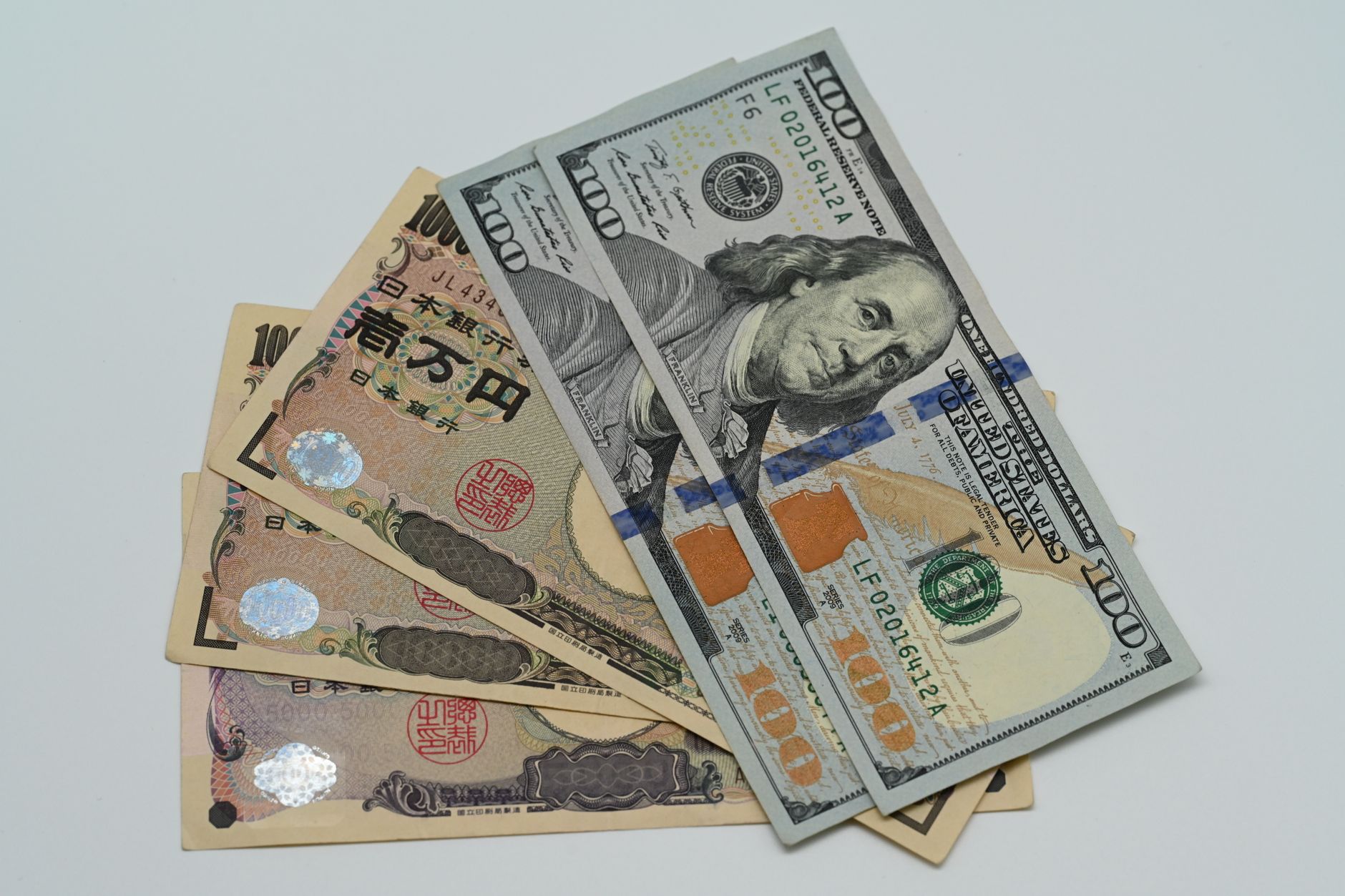
The harder question is whether the bank can keep its rate path and its market-stability role from pulling in opposite directions, because the day a hike and a bond rout land in the same week, it will have to decide which one it is willing to explain.
Frequently Asked Questions
Why are Japan’s government bond yields rising?
The Bank of Japan has ended yield curve control and is tapering its bond purchases, while inflation, heavy government issuance and softer demand at the long end push investors to ask for higher yields.
Can the Bank of Japan control long-term bond yields?
It directly sets only the short-term policy rate. It can influence long yields by adjusting its bond purchases, but market demand and fiscal expectations largely determine them.
How could Japan’s bond market affect global markets?
Japanese investors hold large amounts of foreign debt, including US Treasuries, and higher domestic yields could draw some of that money home. Yen carry trades can also unwind abruptly when rates move.