
The Race to Your Door
Same-day delivery has stopped being a premium perk and turned into the baseline expectation for millions of American shoppers. What was once a novelty reserved for urgent pharmacy runs or last-minute gifts is now the metric by which both Amazon and Walmart measure competitive survival. In 2026, the two retail giants are pouring capital into the same-day race at a scale that would have seemed excessive just three years ago – and neither shows any sign of pulling back.
The rivalry has sharpened beyond the usual price-war dynamics. This is now a fight over physical infrastructure, labor networks, and the ability to fulfill an order placed at noon before dinner. Amazon carries its decade-long logistics head start. Walmart counters with something Amazon has never fully replicated: a store on nearly every corner of suburban and rural America. Both advantages are real, and neither is decisive.
Amazon’s Infrastructure Bet
Amazon’s strategy in 2026 centers on its same-day delivery sites – smaller, regional fulfillment nodes designed to stock high-velocity items close to dense population pockets. Rather than routing orders through massive warehouse campuses hours away, these facilities cut transit time down to single-digit hours for a curated catalog of the most commonly ordered goods. The company has been quietly expanding this network across major metros, with a particular push into secondary cities where next-day was previously the best available option.
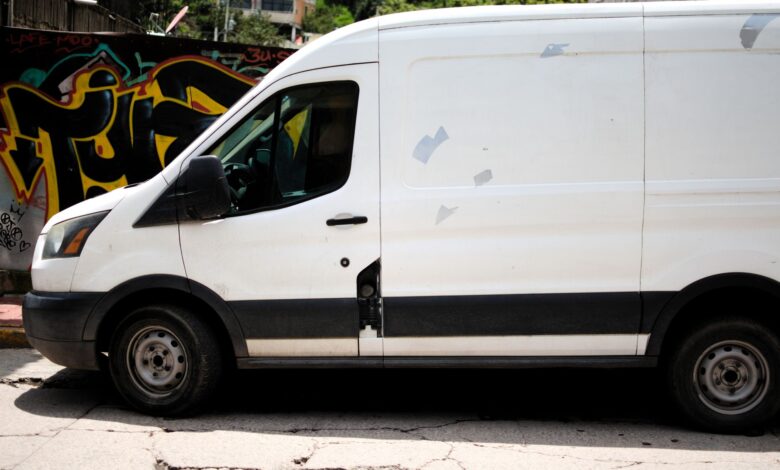
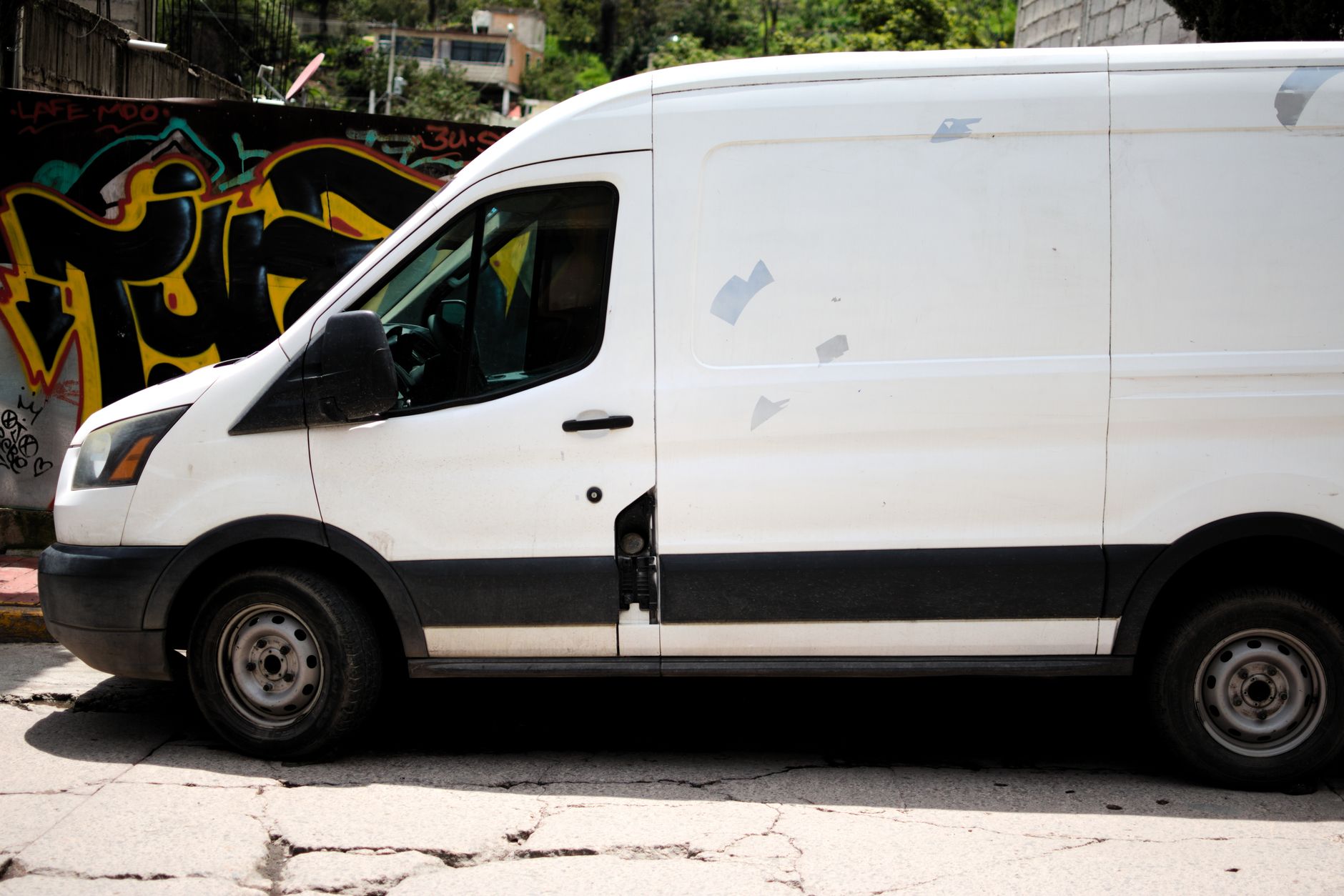
Amazon has also invested heavily in its own delivery fleet, reducing its historic reliance on UPS and FedEx for the final mile. Owning that last leg means tighter scheduling control, which is the core requirement for reliable same-day windows. Drone delivery programs, while still operating in limited zones, have graduated from pilot novelties into a genuine part of the same-day toolkit in select suburban markets – primarily low-density areas where a drone can move faster than any van navigating traffic.
Walmart’s Store-as-Warehouse Advantage
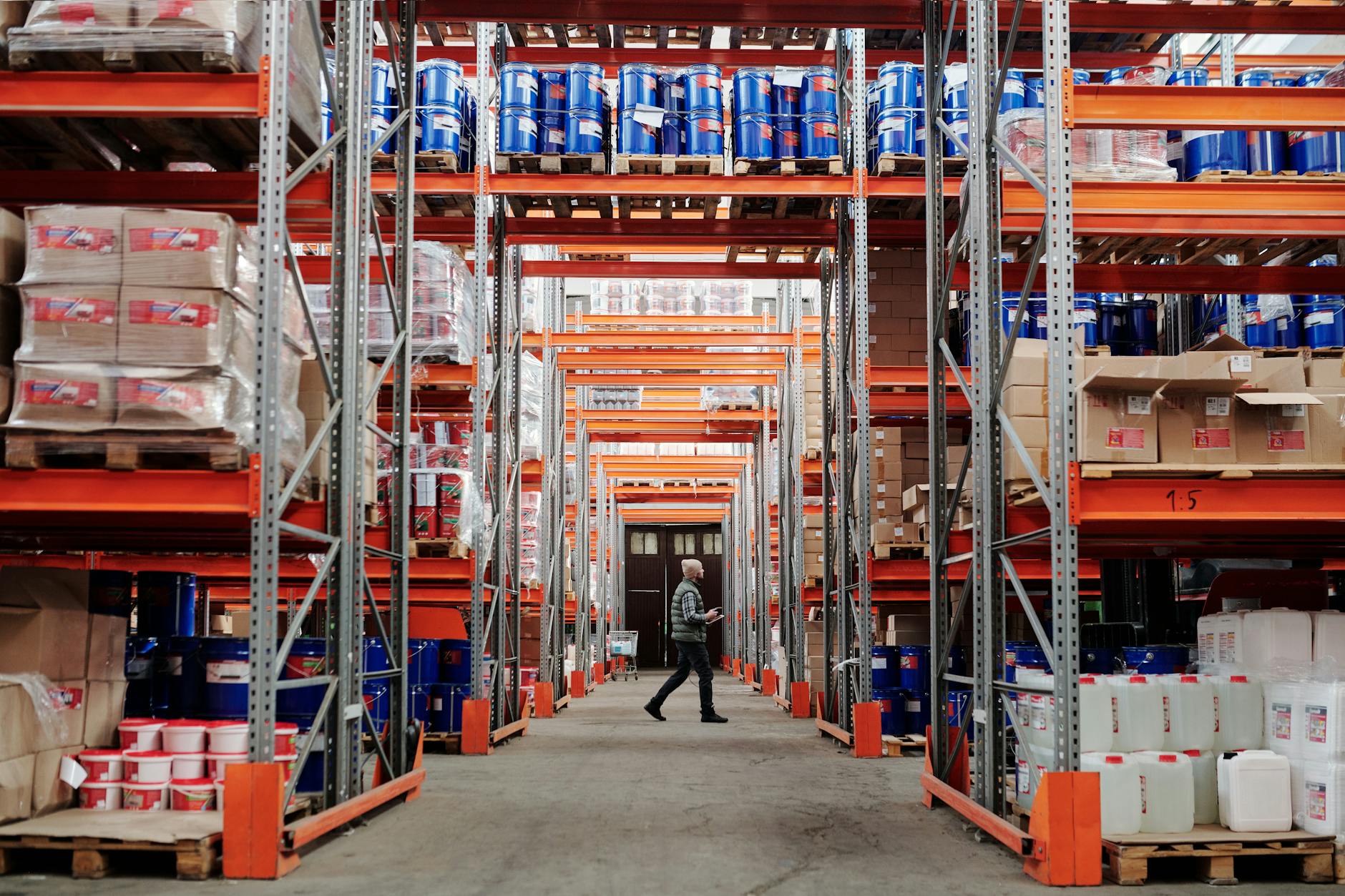
Walmart’s counter-argument to Amazon’s logistics empire is geographic density. With roughly 4,600 U.S. stores, the company sits within ten miles of the vast majority of the American population. Converting those stores into micro-fulfillment hubs – picking, packing, and dispatching orders from the same floor space that serves in-store shoppers – gives Walmart a cost structure for same-day delivery that Amazon cannot easily copy without building from scratch.
The store-fulfillment model does carry friction. Retail floor space is not a warehouse; product placement is designed for browsing, not rapid picking. Walmart has been installing automated pickup towers and back-of-store micro-fulfillment systems to address that inefficiency, but the rollout has been uneven. Stores in high-volume suburban markets have seen the most investment, while smaller rural locations still depend heavily on manual picking by store associates.
Walmart+ membership, the company’s subscription program, sits at the center of its same-day push. The program bundles free delivery with fuel discounts and streaming access, creating enough perceived value to pull customers away from Amazon Prime on the delivery argument alone. Growing Walmart+ subscriber numbers mean a more predictable demand base, which in turn justifies the logistics investment required to guarantee same-day windows. The subscription model also generates the recurring revenue that helps absorb the high per-order cost of fast delivery.
Where Walmart holds a clear edge is in grocery. Food and household staples make up a disproportionate share of same-day demand, and Walmart’s grocery infrastructure – cooled storage, established supply chains, and store-level stock depth – gives it a natural advantage in the category Amazon has struggled to crack at scale. Fresh produce and refrigerated goods remain a weak point in Amazon’s same-day offering outside of markets where Amazon Fresh has a meaningful footprint.
The Cost Problem Neither Can Ignore
Same-day delivery is expensive. The economics only work at scale, and even at scale the margins are thin enough that both companies treat the service as a competitive necessity rather than a profit center. Labor costs, fuel, and the inherent inefficiency of small, scattered deliveries across tight time windows all compress returns. The companies are effectively subsidizing speed to protect customer loyalty – a calculation that makes sense only as long as the other side keeps spending too.
Third-party logistics providers and gig-economy platforms are being pulled into the equation as both companies look for flexible capacity during peak demand. This outsourced layer helps manage volume spikes without carrying permanent headcount, but it introduces quality-control variables that dedicated fleets avoid. A missed same-day window erodes trust faster than a missed two-day one – customers who chose same-day did so because they needed it today.

What Shoppers Actually Decide
Consumer behavior in 2026 does not show clean loyalty to either platform. Shoppers increasingly use both services for different categories – Amazon for electronics, books, and specialty items; Walmart for groceries, household goods, and replenishment purchases. Same-day availability functions less as a brand differentiator and more as a hygiene factor: its absence is noticed and punished, but its presence alone does not win a customer who finds better pricing elsewhere.
The battleground that will likely determine ground in the next 12 months is rural and exurban America. Urban same-day is largely a solved problem for both companies. It is the shopper two counties outside a major metro – where Amazon’s same-day network thins out and Walmart stores become the only physical retail presence for miles – who represents the real contested territory. Walmart’s geographic footprint gives it a structural claim to that customer. Amazon’s answer, so far, relies on expanding its delivery station network and leaning on its drone program in zones where roads cost more than airspace.
Neither company has found a sustainable cost model that makes same-day broadly profitable. Both are betting that the company which achieves density first will force the other into an untenable spending position – and that is exactly the kind of attrition war that reshapes industries without producing a clean winner. As inflation continues to pressure household budgets, the shopper who picks a platform based on free same-day delivery today may just as quickly leave if a monthly subscription fee becomes harder to justify. That fragility in customer loyalty is the variable neither logistics network can engineer away.
Frequently Asked Questions
How does Walmart compete with Amazon on same-day delivery?
Walmart uses its 4,600+ U.S. stores as fulfillment hubs, giving it geographic reach that Amazon’s warehouse network cannot easily replicate, especially for groceries.
Is same-day delivery profitable for Amazon and Walmart?
Neither company treats same-day delivery as a profit center – it is largely subsidized as a competitive tool to retain subscribers and protect customer loyalty.