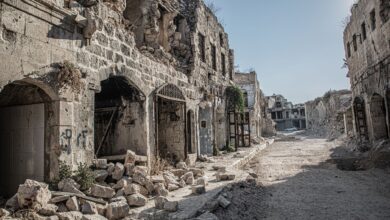

A ceasefire is only as durable as the people willing to answer the phone when it starts to fray. In Gaza, those people sit mostly in Cairo and Doha.
Two Mediators, Two Kinds of Leverage
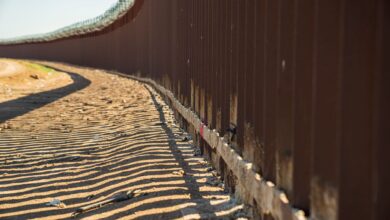
Egypt’s leverage begins with a map. It shares a border with Gaza, controls the Rafah crossing on its side, and has spent decades managing the Sinai frontier. No aid corridor, medical evacuation route or reconstruction plan works without Cairo’s sign-off. Its intelligence service has also kept open channels to both Hamas and Israel’s security establishment through multiple wars, which gives it a working knowledge of how each side reads a threat.
Qatar’s leverage is financial and diplomatic. Doha has hosted Hamas’s political office for years, a arrangement that was widely reported to have Washington’s blessing as a way to keep a line open to the group. Qatar has also bankrolled humanitarian and civil-service support in Gaza in the past, and it hosts a major US military installation. That combination lets it talk to Hamas leaders in the morning and American officials in the afternoon, a rare position for any government.
The two do not want identical things. Egypt’s overriding fear is displacement: any scenario that pushes large numbers of Palestinians across the border into Sinai is a red line for Cairo, politically and strategically. Qatar’s priority is closer to standing. A successful truce confirms Doha as an indispensable broker, while a collapse risks tarnishing a brand it has spent years building.
Neither can compel anyone to comply. The United States set the framework and holds the strongest influence over Israel, while Turkey carries weight with Hamas. Egypt and Qatar carry messages, absorb complaints and propose workarounds. That is valuable work, but it is mediation, not enforcement, and the gap between the two is where ceasefires tend to break.
Where the Truce Is Most Likely to Fray
The first pressure point is sequencing. Every phase of a ceasefire plan asks one side to move first on something it considers irreversible. Israel wants Hamas disarmed and the group sidelined from governance before it pulls back further. Hamas wants withdrawals and reconstruction to proceed before it surrenders the one asset that guarantees its relevance. Mediators can propose staging and timelines, but each proposal quietly favors one side’s reading of who has to blink first.
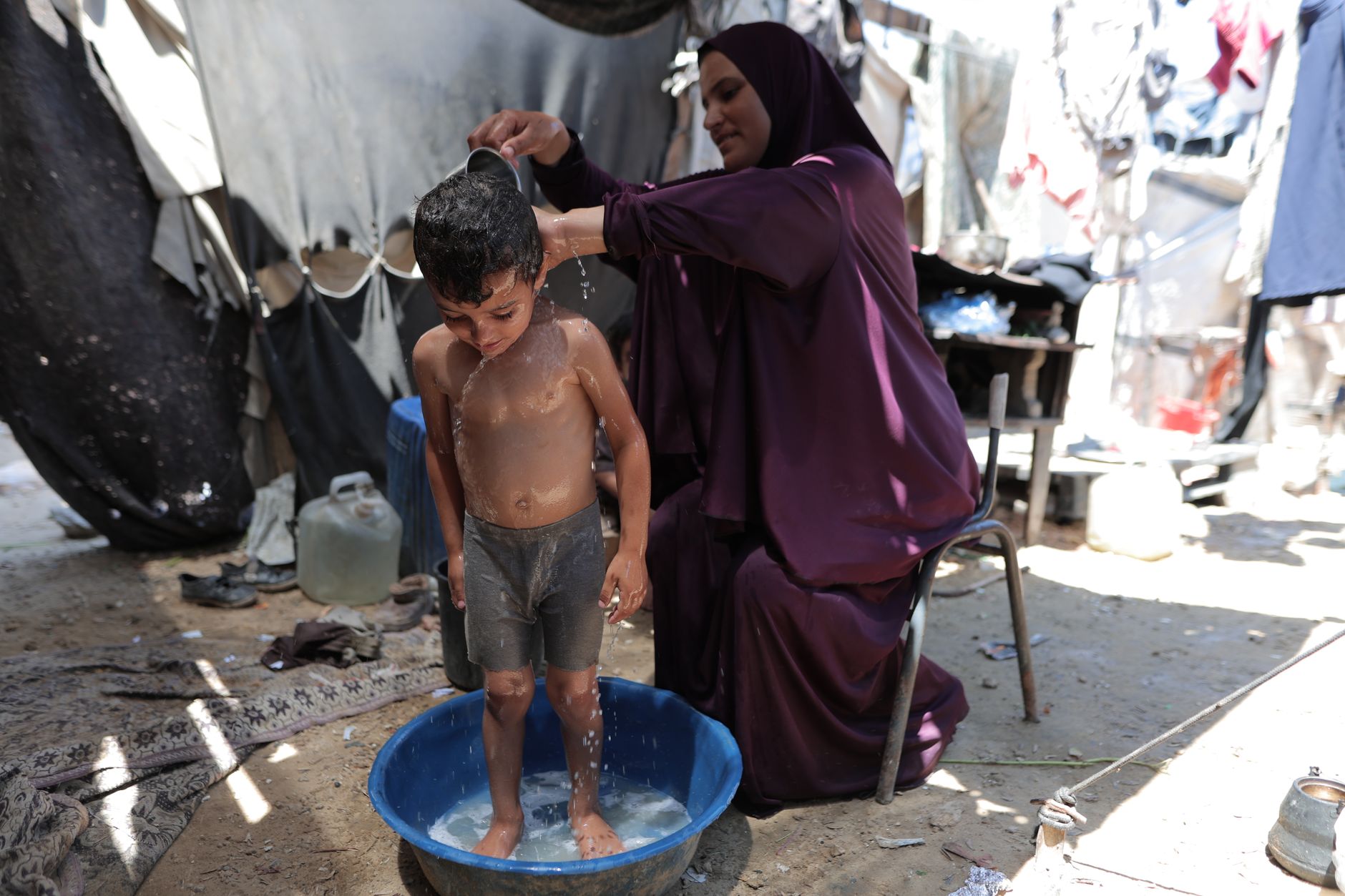
The second is humanitarian access, which is both a practical problem and a political weapon. Aid trucks moving through crossings are a daily measure of whether the agreement is working. When convoys slow, inspections multiply or a gate closes without explanation, each side offers a different account of why. Egypt is exposed here more than anyone, since the Rafah crossing is the most visible symbol of its role and the first place where blame lands.
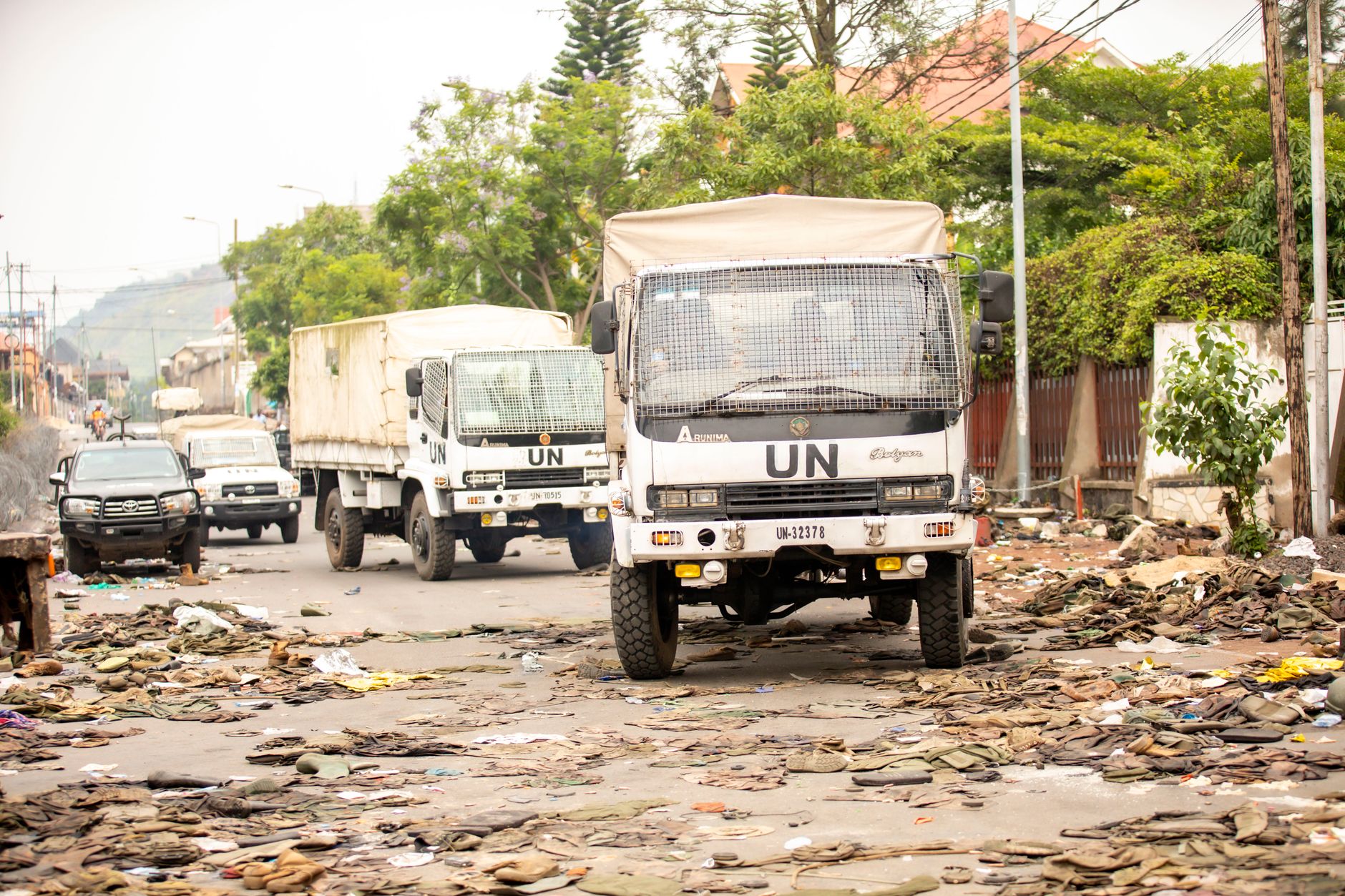
Governance is the third and hardest problem. Someone has to run Gaza’s streets, pay its police, clear its rubble and decide who carries a weapon. Proposals have floated for technocratic administrations, Palestinian Authority involvement and international stabilization forces, and each runs into objections from at least one party that holds a veto. Egypt has pushed to host a reconstruction effort and train security personnel, while Gulf states, Qatar among them, are being asked to fund a rebuilding bill that no donor wants to pay without clarity on who is in charge. Money without a political settlement is a recipe for rebuilding something that gets destroyed again.
Then there is the problem of small violations. A shooting near a withdrawal line, a disputed return of remains or a strike described as self-defense can each unravel weeks of careful bargaining. The earlier truce in early 2025 collapsed in March after the first phase expired without agreement on what came next, and that memory shapes how every party reads each incident. Mediators spend most of their energy on exactly these moments, calling both sides to prevent an isolated flare-up from becoming a return to full-scale war.
Credibility is also being tested on the mediators’ side. Israel’s strike on Hamas leaders in Doha in September 2025 raised a question that would have sounded absurd a year earlier: can a country serve as a neutral venue if the negotiators it hosts are targeted on its soil? Qatar responded by tightening its coordination with Washington rather than stepping back, and Egypt has used the moment to stress its own indispensability. Both governments now have more at stake in the outcome than they would admit publicly.
What Cairo and Doha Cannot Do Alone
The limits are structural. Mediators can broker, but they cannot guarantee that an Israeli commander in the field or a Hamas unit leader will follow orders that originate in a conference room. Their success depends on the continued attention of Washington, which has to keep pressing the party most reluctant on any given week, and that attention is never guaranteed to last.
The next test is unlikely to arrive as a grand diplomatic crisis. It will probably look mundane: a convoy held at a gate for a day too long, a body not yet returned, a patrol that drifts across the agreed withdrawal line. Whether a phone call from Cairo or Doha can settle it before nightfall may matter more than any summit communique.