
Why would an airline give up the floor space of several economy seats for a single lie-flat suite when jet fuel prices refuse to hold still? The answer sits in the cabin layouts of long-haul aircraft now being ordered, refitted and reconfigured: a growing share of the floor plan is going to travelers willing to pay far more for space, privacy and a bed.
The trade-off is not simple. Fuel is among the largest line items on any carrier’s income statement, and every decision about the front of the plane touches it.
Why Premium Seats Pay the Bills
Economy is a volume business built on thin margins, where a full cabin is the difference between profit and loss on a route. Premium cabins work differently. A single business class passenger can contribute as much revenue as several economy passengers, and that traveler is often booking on corporate budgets, loyalty points or a once-a-year splurge that is less sensitive to a small fare change. For airlines, that makes the front of the aircraft the most dependable source of profit on many long routes.
Premium revenue also acts as a cushion when fuel climbs. If fuel costs jump, an airline cannot simply pass the full increase to economy travelers without losing price-sensitive customers to a competitor or to another travel date. Premium buyers tend to shop on schedule, comfort and status, which gives carriers more room to raise fares or add surcharges without emptying seats. That pricing flexibility is the main reason airlines keep investing in the front of the plane even as the fuel bill grows.
The Fuel Math Behind a Lie-Flat Seat
An aircraft burns fuel mostly because of its weight, its engines and the distance it flies. Who sits where matters far less than most travelers assume. A long-haul jet burns a similar amount of fuel whether its cabin is packed with economy rows or filled with private suites, so the real question is how many paying passengers share that bill.
That is where premium cabins complicate the picture. A business class suite can occupy the floor space of several economy seats, which means fewer passengers on board to absorb the same fuel cost. Every seat removed from the economy cabin to make room for a suite raises the fuel cost carried by each remaining seat, and the premium fare has to be high enough to cover not just its own share but the share of the seats it displaced. Airlines run this calculation route by route, and it is why a premium-heavy layout works on a dense business corridor but can look risky on a leisure route where travelers watch every dollar.
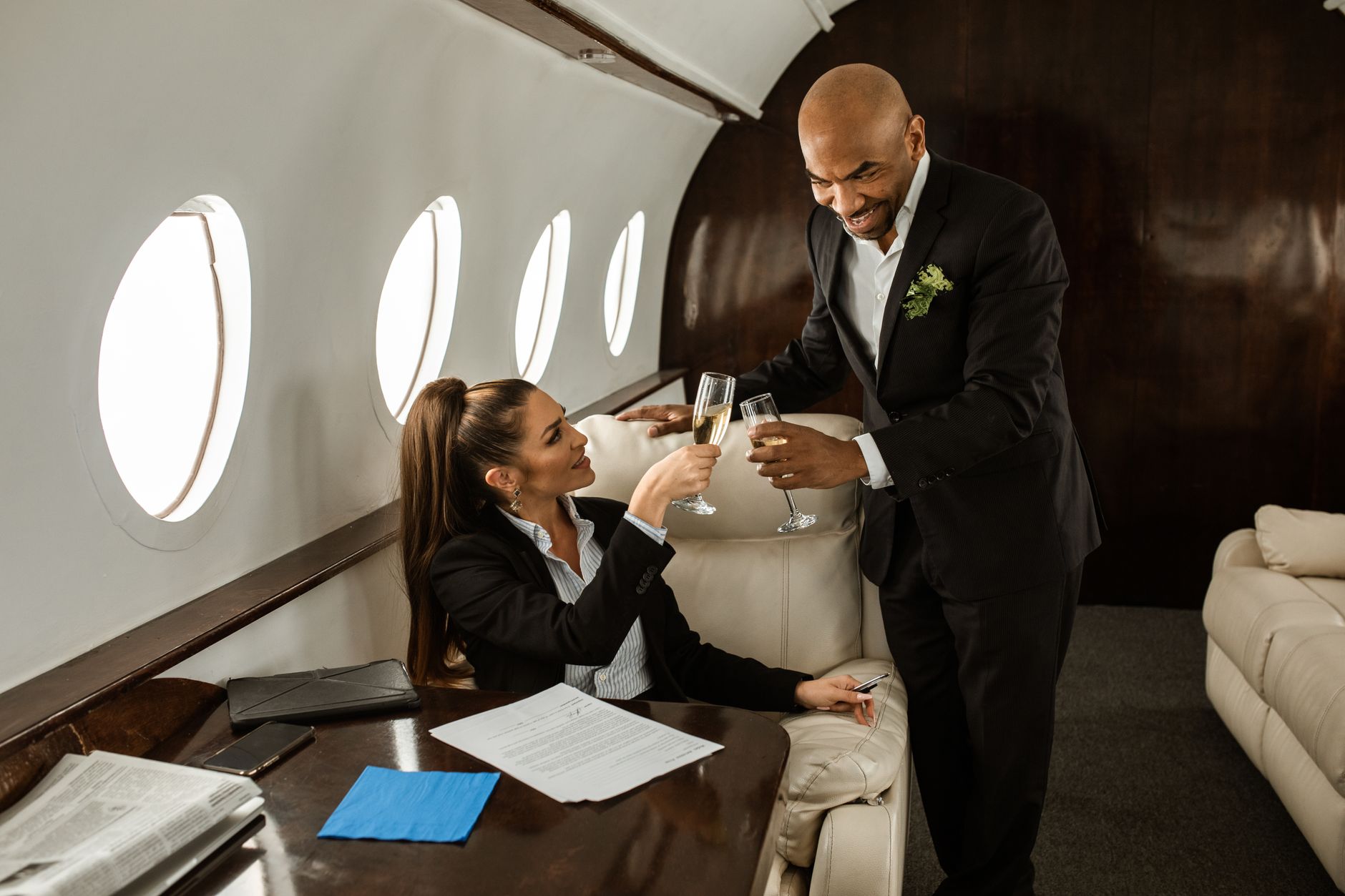
Weight adds a second layer. Suites with doors, sliding partitions, thicker cushioning, bedding, larger entertainment screens and heavier catering equipment all add mass. The added weight on a single flight is small, but a fleet flying long routes every day for a year turns small increments into a meaningful fuel expense.
Carbon accounting adds a third. Many companies now track emissions from employee travel, and a premium seat is typically assigned a larger share of a flight’s emissions because it takes up more space. A corporate travel manager who wants to approve comfortable seats for long trips while also reporting lower emissions faces an awkward contradiction, and airlines selling premium cabins to those buyers have to answer for it.
Retrofits, Fleet Choices and the Space Trade-Off
Newer aircraft change the equation by burning less fuel per seat. Modern engines and lighter materials lower the baseline cost of every flight, and that efficiency gain gives airlines room to give up some seat count in exchange for richer cabins. Premium economy has become the favored middle path for this reason. It offers more legroom and a better meal than standard economy, but its footprint is far smaller than a business class suite, so an airline can lift its average fare without cutting its total seat count nearly as sharply.
Retrofitting older planes is a costly way to chase the same goal. An aircraft pulled from service to install new seats earns nothing while it sits in a hangar, so the cost of a cabin refresh includes lost flying days on top of the hardware. Airlines weigh that against ordering new aircraft with premium-heavy layouts from the start, which carries a high purchase price but delivers better fuel efficiency. Fuel hedging, sustainable aviation fuel purchases and route planning all sit alongside these choices, and none of them removes the basic tension between seat count and seat quality.
Where Premium Pricing Runs Into Limits
Demand for premium travel is strong, but it is not unlimited. Corporate travel budgets tighten when business slows, and leisure travelers who splurge on an upgrade this year may skip it the next. An airline that converts too much of its floor space to premium seating is making a bet that the demand it sees today will still be there when the new cabins are installed, which can take years from decision to delivery.
Competition raises the stakes. When every major carrier on a route offers a similar suite, a similar lounge and a similar menu, the extras stop being a reason to choose one airline over another and become the cost of entry. Each carrier spends more to keep up, the added expense lands on the same fuel and weight budget, and the advantage that justified the investment fades. The arms race benefits travelers in the short run and leaves airlines with higher operating costs.
If the seats at the front stay full but the fare gap between cabins narrows, the fuel math that justified removing rows of economy seats gets harder to defend, not easier.
Frequently Asked Questions
Why are airlines investing more in premium cabins?
Premium seats generate far more revenue per passenger and are less sensitive to fare increases, which helps airlines offset volatile fuel costs.
Do premium cabins use more fuel than economy cabins?
A plane burns similar fuel regardless of cabin layout, but premium seats take more space and add weight, so each passenger carries a larger share of the fuel cost.
What is premium economy and why do airlines favor it?
Premium economy offers more legroom and better service than standard economy in a smaller footprint than business class, letting airlines raise average fares without losing as many seats.