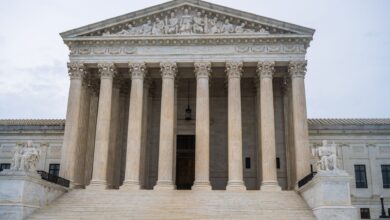

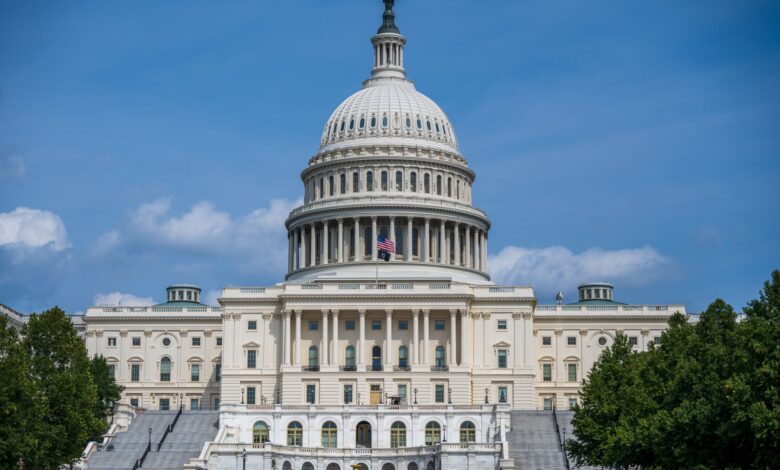
A congressional map can decide a race before a single ballot is printed. This cycle, both parties are treating that fact as a weapon.
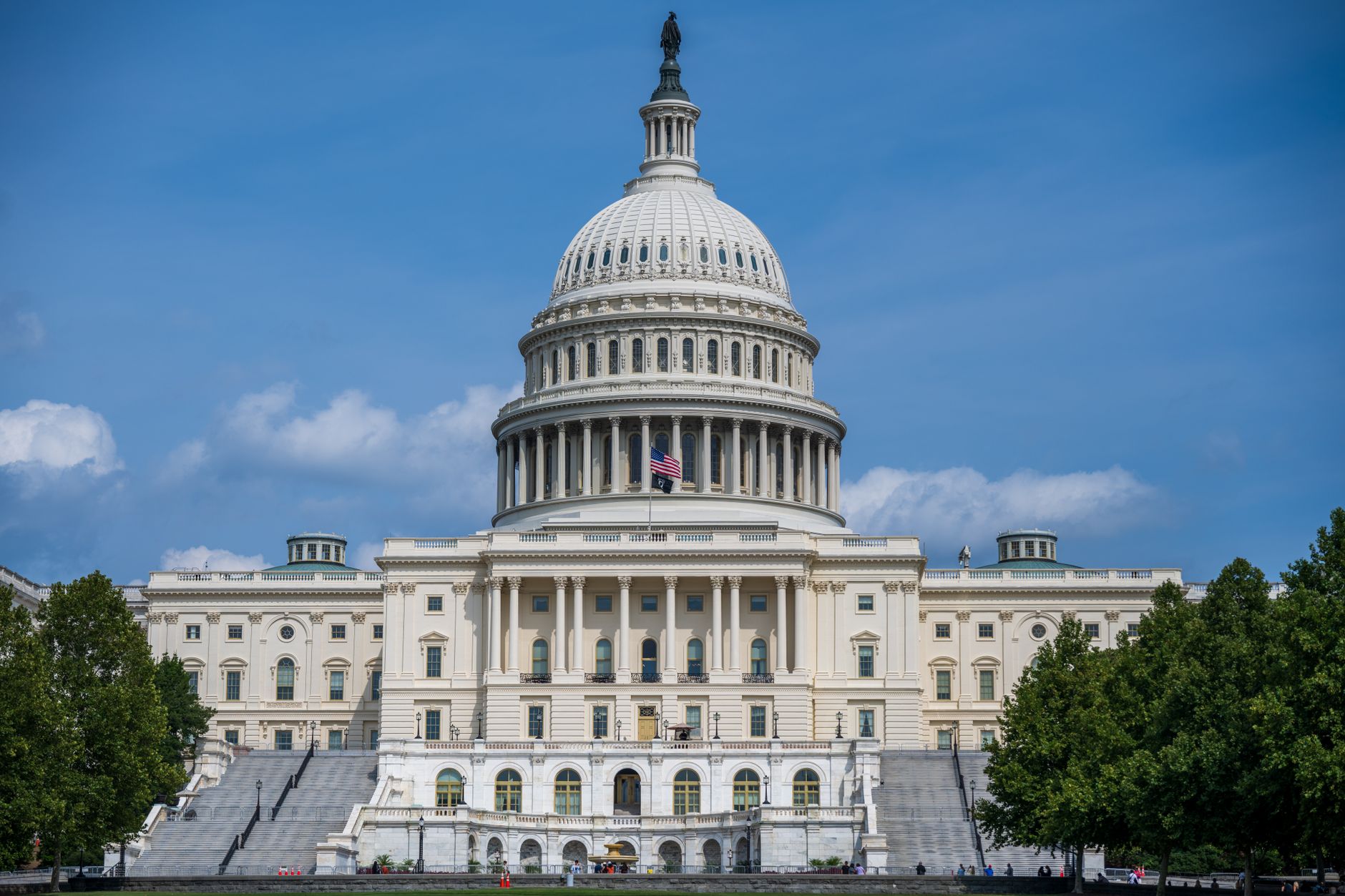
How Texas Lit the Fuse
Congressional maps are normally redrawn once a decade, after the census, and then left alone until the next count. That unwritten norm broke in 2025, when Republicans in Texas passed a new map designed to turn as many as five Democratic-held seats into Republican-leaning ones. The push came with open encouragement from President Trump, who has little room for error with a narrow House majority. Texas is the largest Republican-run state, so even modest changes to its 38 districts can shift the national balance. The state’s mapmakers were drawing for control of Congress, not just for Texas.
Democrats in the Texas legislature answered with a dramatic, if temporary, tactic. They left the state to deny the chamber a quorum and stall the vote. The walkout drew national attention and gave the fight a face, but it could not stop a determined majority for long. The map passed, and the delay mostly proved how few procedural brakes exist once one party controls every lever.
California’s response was the most consequential counterpunch. Governor Gavin Newsom, who is considering a 2028 presidential campaign, backed Proposition 50, a ballot measure that let the legislature’s new map replace the lines drawn by the state’s independent commission, at least temporarily. Voters approved it in November. The map is built to put as many as five Republican-held seats at risk, a direct mirror of the Texas gambit.
The logic on both sides is the same, and it is hard to argue with from a purely tactical view. If one party redraws and the other does not, the party that held back gives up seats for nothing. Neither side wants to be the one that kept to the norm while the other did not, so each redraw invites another.
A Patchwork of Retaliation
Texas and California were only the opening moves. Missouri’s Republican-led legislature approved a map aimed at a Democratic seat anchored in the Kansas City area. North Carolina Republicans redrew lines to make a Democratic-held seat in the eastern part of the state harder to hold. Ohio’s redistricting process, which involves a commission with members from both parties, produced a map that tightened the odds for some Democratic incumbents. Each change is small in isolation, and together they add up to a shift of several seats.
Democrats have looked for their own openings. Virginia’s Democratic lawmakers have pursued a constitutional amendment that would allow a mid-decade redraw, a route that requires voter approval and takes time. Other Democratic-led states have explored similar paths, but many have constitutional hurdles, independent commissions, or both. That is a real asymmetry, because Republican legislatures in several states can act with fewer procedural obstacles than their Democratic counterparts.

The effort has also run into resistance from inside the party driving it. Indiana’s Republican-controlled state Senate voted down a new map despite pressure from national figures, a reminder that state legislators answer to local politics, local donors and their own reelection math. Utah went the other way entirely. A court-ordered map there created a Democratic-leaning district around Salt Lake County, so not every redraw this cycle came from a party scheming for advantage.
The courts are the biggest wild card. A federal panel blocked the Texas map after finding evidence of racial considerations in how the lines were drawn, but the Supreme Court allowed the state to use the map for 2026 while the litigation continues. Separately, the justices are weighing a Louisiana case, Louisiana v. Callais, that could narrow how Section 2 of the Voting Rights Act applies to majority-minority districts. A broad ruling could give Southern legislatures room to dismantle districts that have elected Black and Latino members for decades. It could also trigger another round of redraws that would arrive too late for some states to use in 2026 but would reshape the map for the rest of the decade.
Aggressive maps also carry a built-in risk. To flip several seats at once, mapmakers spread their own voters thinner across more districts, trading safe margins for marginal ones. A seat drawn to lean five points toward one party can swing back if the national mood turns against that party. Strategists call this a dummymander, and the more ambitious the map, the more exposed it becomes.
The Voters Left Holding the Map
For voters in redrawn districts, the chaos is practical. Many will find themselves under a new representative, in a district with a new name and unfamiliar boundaries, with a limited window to learn who is running. Texas holds its primaries early in the calendar, so candidates had to decide quickly whether to run in new territory, move, or step aside. Incumbents who built relationships over years may now face constituents who have never heard of them.

The maps set the field, but they do not control the mood of the electorate, and midterm voters have a long habit of punishing the party in the White House. If that pattern holds in 2026, some of the districts drawn to deliver Republican gains could turn into liabilities, and Democratic-drawn seats in California could prove safer than any Republican plan assumed. If it breaks, the new lines could lock in a House majority that outlasts the political climate that created it. Which party will wish it had drawn more cautiously?
Frequently Asked Questions
What is mid-decade redistricting?
It is the redrawing of congressional district lines between census cycles. Maps are normally redrawn once every ten years, so doing it mid-decade for partisan advantage is unusual.
Which states have redrawn House maps for 2026?
Texas, California, Missouri, North Carolina and Ohio have moved on new lines, and a court-ordered map in Utah created a Democratic-leaning seat. Other states, including Indiana, considered changes but did not pass them.
What is California’s Proposition 50?
It is a ballot measure approved by voters in November that lets a legislature-drawn congressional map temporarily replace the one drawn by the state’s independent commission. It was a response to the Texas redraw.
How could the Supreme Court affect redistricting?
The justices allowed Texas to use its new map for 2026 and are weighing Louisiana v. Callais, a case that could narrow how the Voting Rights Act applies to majority-minority districts.