

The PIN Is Running Out of Time
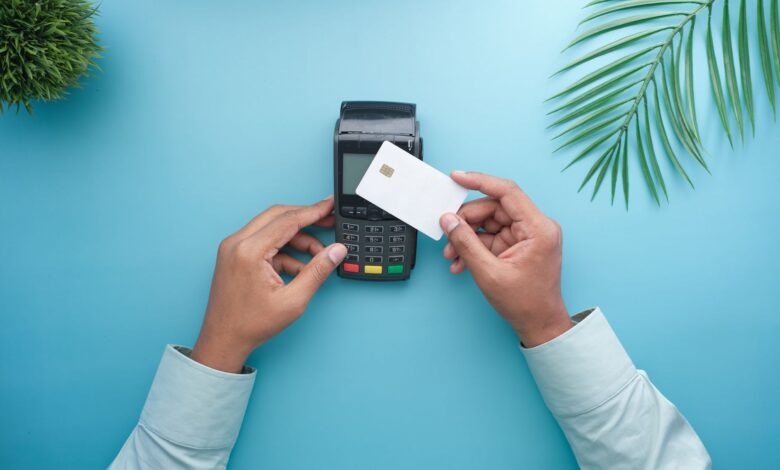
Mastercard has quietly been building toward a world where tapping your face or finger at checkout replaces the four-digit code that has guarded payment terminals for decades. The company’s biometric checkout program, which links a shopper’s physical identity to their payment credentials, is now operational across select markets in Europe, the Middle East, and parts of Latin America – and Mastercard has made no secret of its intention to push the technology into mainstream retail globally. The ambition is clear: make authentication invisible.
The PIN, for all its ubiquity, has long been a point of friction in the payments chain. It requires memory, a working keypad, and a customer who isn’t in a hurry. Biometric authentication solves all three problems at once, which is exactly why card networks and retailers are paying attention. What Mastercard is doing now is less a product launch and more a structural play – positioning biometric ID as the default mode of in-store payment verification before a rival standard fills that space.
How the System Actually Works
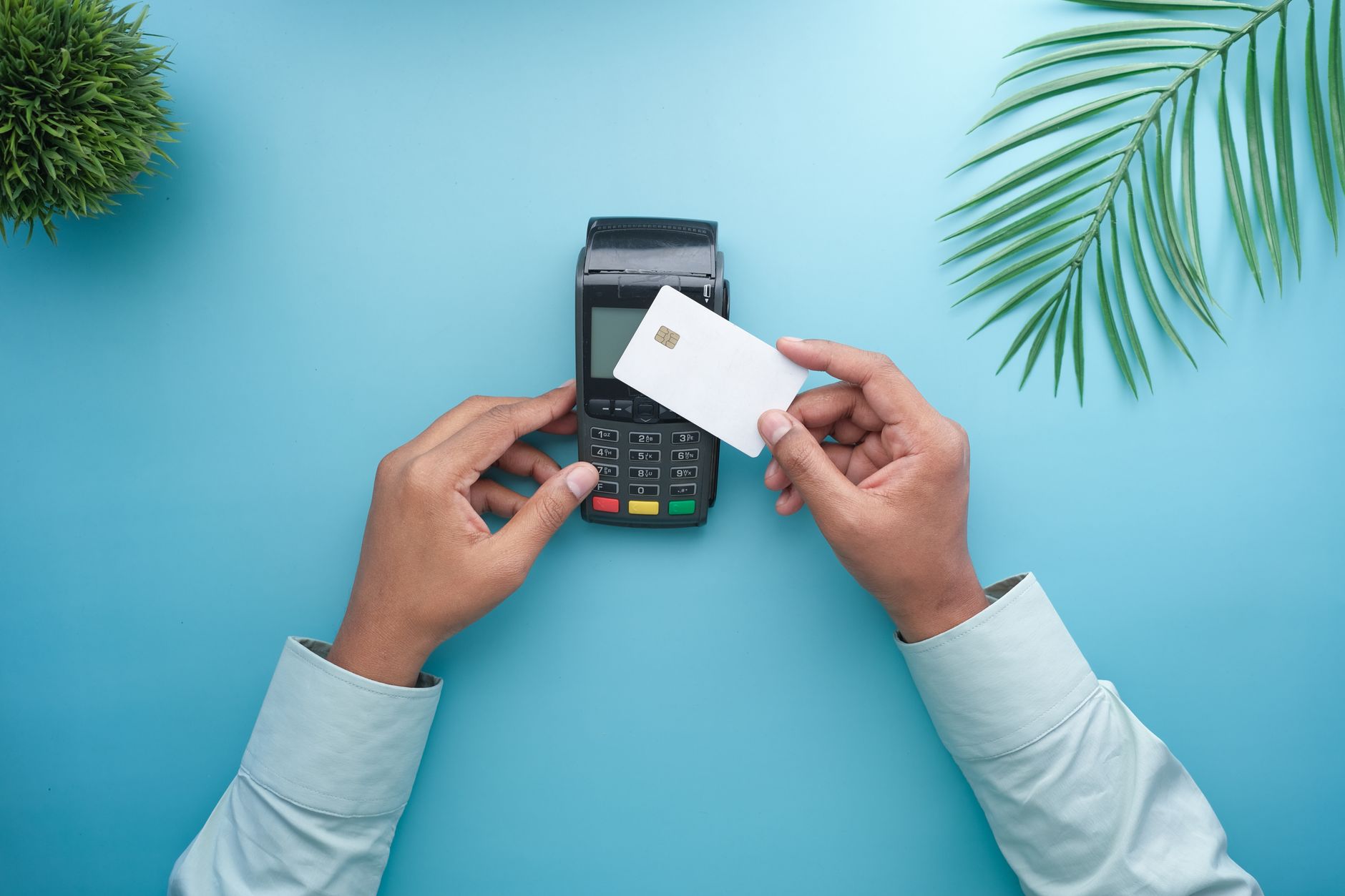
Mastercard’s biometric checkout process ties a shopper’s enrolled fingerprint or facial scan to their stored payment method during a one-time registration, typically done through a retailer’s app or at a dedicated in-store kiosk. From that point forward, the shopper can authorize a purchase by holding a finger to a reader or looking into a camera at the point of sale. No card swipe. No PIN entry. The transaction clears in seconds.
The enrollment model is what separates this from the failed biometric payment experiments of the early 2010s. Rather than storing raw biometric data on a central server – which raised obvious privacy concerns that killed earlier iterations – modern implementations convert the scan into an encrypted mathematical template that cannot be reverse-engineered into an actual fingerprint or photo. That distinction matters politically as much as technically, because it gives regulators in GDPR-heavy markets a framework to work within.
Retailers are drawn to the speed gain. A biometric transaction at a busy checkout lane can clear authorization faster than a contactless card tap, and significantly faster than chip-and-PIN. For high-volume environments like grocery stores, stadiums, and transit hubs, that difference compounds quickly across thousands of daily transactions. Several supermarket chains in Europe have already piloted face-pay systems at self-checkout lanes, and early operational feedback points to measurable reductions in queue time during peak hours.
What the PIN Actually Protected
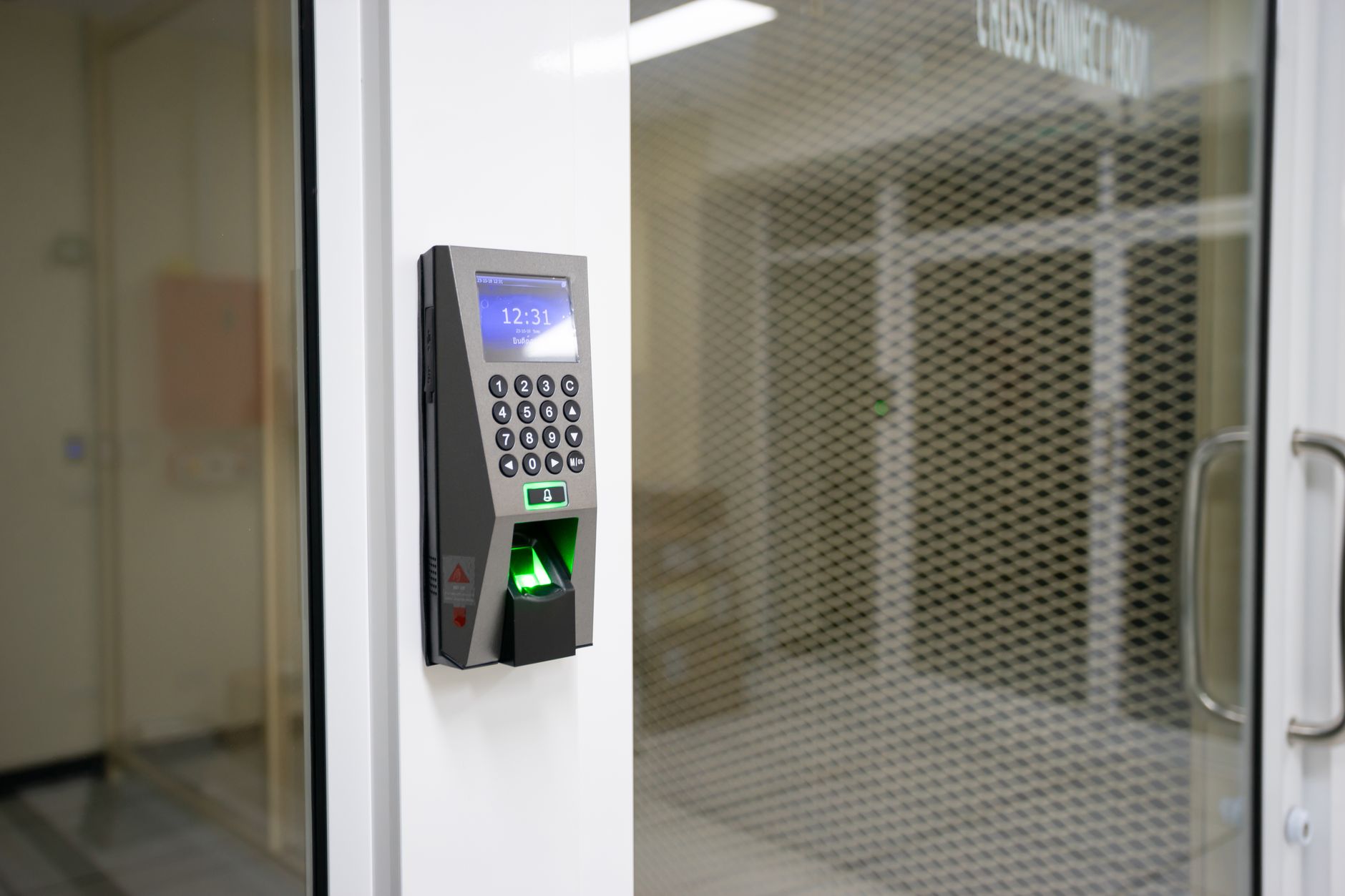
The resistance to retiring the PIN is not purely nostalgic. The four-digit code served as a fallback authentication layer that worked when networks were slow, devices were offline, or customers lacked smartphones. It required no data connection beyond the terminal and no pre-enrollment with any third party. That simplicity was a feature, not a limitation.
Biometric checkout breaks that independence. Enrollment requires infrastructure – either a retailer’s digital touchpoint or a dedicated kiosk – and the system only works at locations that have deployed compatible hardware. A shopper enrolled at one grocery chain cannot necessarily use that same biometric profile at a department store across the street. Interoperability remains the open wound in an otherwise clean pitch.
The Real Stakes for Banks and Retailers
For banks and card issuers, biometric authentication is appealing for a reason beyond convenience: it makes the payment credential stickier. A shopper who has enrolled their face or fingerprint with a specific card is unlikely to casually switch to a competitor. The friction of re-enrollment at a different provider creates a soft lock-in that no rewards program has ever managed to replicate so cleanly. That dynamic changes the competitive logic for card issuers in ways that have nothing to do with checkout speed.
Mastercard’s position here is particularly sharp. By building the biometric layer into its own network infrastructure rather than leaving it to individual banks or retailers, the company secures its place in the authentication chain regardless of which issuing bank a customer uses. The checkout experience becomes a Mastercard-mediated event even when the underlying card is branded by a local bank. That is a meaningful expansion of network influence.

There is also the fraud dimension, which is where biometric authentication makes its strongest practical argument. Card-present fraud using stolen PINs remains a real and persistent problem, particularly in markets where skimming devices are still common. A biometric transaction tied to a live physical scan is dramatically harder to spoof than a PIN captured by a hidden camera. Insurers and issuers absorbing fraud losses have a direct financial incentive to accelerate biometric adoption, which gives Mastercard a built-in advocacy coalition beyond just technology enthusiasts.
The question that remains unanswered is what happens to the population that cannot or will not enroll. Elderly shoppers, people with disabilities affecting biometric capture, and consumers who reject the data collection on principle all represent a real share of retail traffic. Any system that makes biometric verification the default but not the only option needs a fallback – and if that fallback is the PIN, then the PIN does not actually disappear. It just gets demoted to a backup status that most people use less, understand less, and trust less over time. Mastercard’s push may not eliminate the PIN so much as slowly hollow it out until the infrastructure supporting it is no longer worth maintaining.