

Nike’s Stumble Is Someone Else’s Opportunity
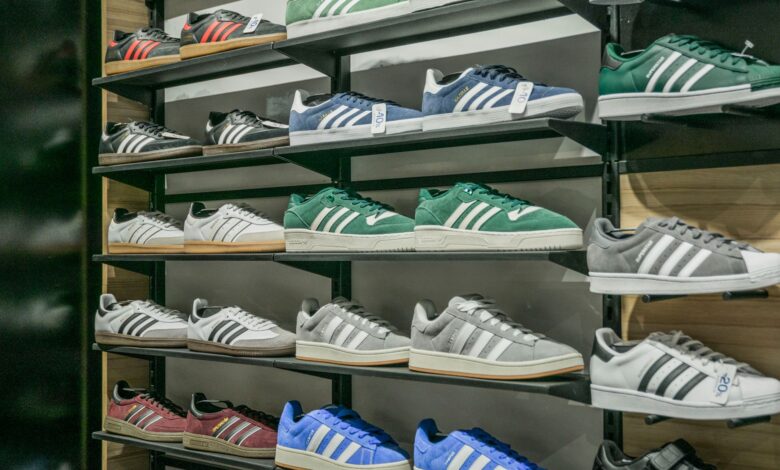
Nike spent decades building a retail chokehold so complete that competitors measured success by how much space remained after the Swoosh took its cut. Sneaker walls, end-caps, and featured displays at every major footwear retailer – from Foot Locker to Dick’s Sporting Goods – were effectively Nike’s property by convention, if not by contract. That arrangement is now loosening, and On Running is the most visible beneficiary of the shift.
Nike’s troubles are well documented. A strategic over-investment in direct-to-consumer channels – pulling back from wholesale partners to push shoppers toward its own app and website – left retailers with empty shelves and a reason to look elsewhere. When those DTC numbers disappointed and Nike reversed course, the wholesale partners it had deprioritized had already started filling the space. Some had signed longer-term commitments with brands that hadn’t abandoned them.
On Running walked through the door Nike left open.
How Retail Space Actually Gets Reallocated
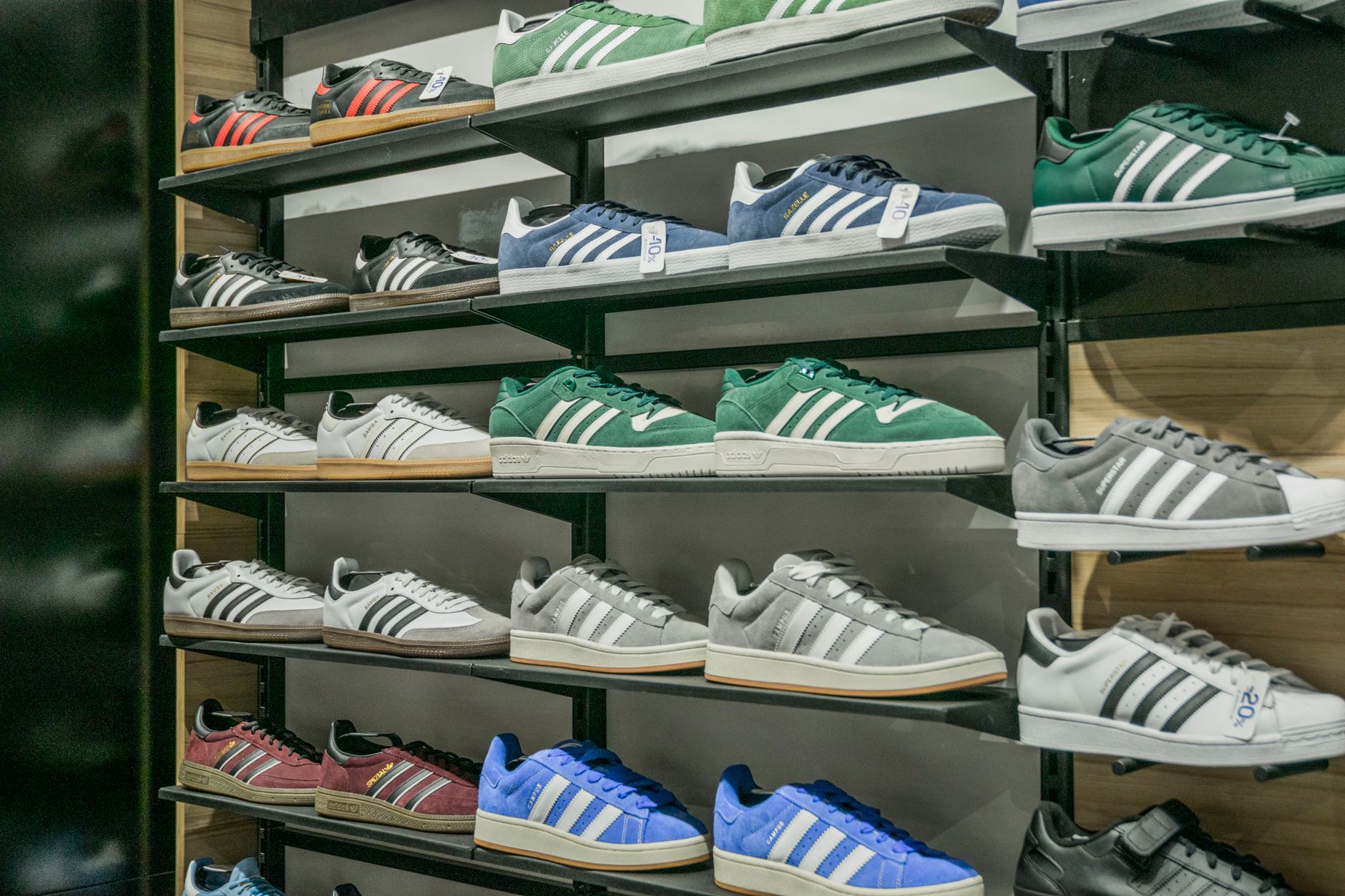
Shelf space in athletic footwear retail is not simply assigned and forgotten. Buyers at major chains review brand performance quarterly, and floor plans get renegotiated based on sell-through rates, return rates, and margin contribution. When a brand underperforms or reduces its wholesale commitments, that square footage doesn’t sit empty – it moves to whoever a buyer trusts to sell. Right now, a growing number of buyers trust On Running.
On’s retail footprint in North America has expanded steadily, with the brand moving beyond specialty running stores into mainstream athletic chains. That progression matters because mainstream placement signals that buyers believe the brand has crossover appeal – not just for the sub-4-hour marathon crowd, but for the lifestyle-adjacent shopper who buys running shoes for coffee runs and airport walks. Nike built its empire on exactly that customer, and On is actively courting them.
The Swiss brand’s product strategy has also made it easier for retailers to commit more space. On Running has extended its range well beyond its original CloudTec sole models into hiking, tennis, and casual lifestyle categories. A brand with depth across categories is easier to dedicate a full wall section to – it justifies the commitment and reduces the buyer’s risk of looking at an awkward one-brand corner that only serves hardcore runners. Nike invented this playbook. On is now running it back against them.

What On Running Is Doing Right That Nike Stopped Doing
The clearest reason On Running is gaining ground isn’t price or marketing – it’s that the brand has maintained consistent wholesale relationships while growing selectively. Retailers remember which brands showed up when inventory was tight, honored their commitments, and didn’t redirect customers away from the store and toward a brand-owned app. Brand loyalty in retail is partly built in showrooms and partly built in the trust between buyers and sales reps over years of reliable behavior.
On’s positioning at the premium end of the price spectrum has also worked in its favor. Shoes priced between $150 and $200 generate better margin per square foot for a retailer than mid-tier product competing on price. When retailers are trying to recover profitability after a difficult few years, they have a practical reason to give more floor space to brands that deliver better margin, not just volume. Nike dominates volume. On is competing on a different metric.
The brand’s celebrity and cultural positioning has sharpened too. Without inventing endorsement details, it’s visible that On has cultivated a specific aesthetic – clean, Swiss-engineered, premium-without-screaming – that appeals to a consumer tired of the maximalist branding that defined the sneaker boom years. That visual identity makes in-store display easier: On product photographs cleanly, fits a lifestyle wall, and doesn’t need fifteen colorways fighting for attention to make a statement. Retail buyers notice these things when they’re designing floor sets.

Nike Can Still Course-Correct – But the Clock Is Running
Nike has the resources, the roster, and the brand recognition to recover. A company of its scale doesn’t lose its position at retail permanently over two or three difficult years. But the specific type of shelf space being filled by On Running and similar premium challengers is the type Nike trained retailers to value in the first place – lifestyle-adjacent, high-margin, visually dominant floor sections – and winning that space back will require Nike to rebuild retailer trust at exactly the moment those retailers have found alternatives they’re increasingly happy with. The next round of floor plan negotiations may be the most closely watched in athletic retail in a decade.