

The Quiet War at 35,000 Feet
Delta Air Lines has spent the last several years doing something airlines rarely manage: making premium travel feel like a brand, not just a seat upgrade. The strategy is methodical – Delta One suites on long-haul routes, Sky Club lounges that function more like hospitality venues than airport waiting rooms, and a SkyMiles program that has increasingly anchored itself to American Express spending rather than miles flown. The result is a premium ecosystem that pulls high-value travelers in from multiple directions at once.
United Airlines built its loyalty dominance differently. MileagePlus has long been considered the most financially valuable frequent flyer program in North American aviation, a fact United leaned on heavily when it used the program as collateral during the pandemic financing crunch. The program’s strength came from breadth – an expansive partner network, strong corporate travel agreements, and a hub structure that made United the default carrier for millions of business travelers in Chicago, Houston, Newark, and San Francisco.
Now those two strategies are on a collision course, and United is feeling the pressure in the one segment it cannot afford to lose.
Delta’s Premium Play and Why It’s Working
The core of Delta’s approach is spend-based loyalty rather than flight-based loyalty. By tying elite status qualification more tightly to dollars spent on Delta and American Express co-branded cards, the airline has essentially created a pipeline that converts everyday consumer spending into airline loyalty – no boarding pass required. A traveler who rarely flies but charges heavily to an Amex Platinum or Delta Reserve card still accumulates status-qualifying dollars. That model is extraordinarily sticky because it reaches people during their entire financial life, not just their travel moments.
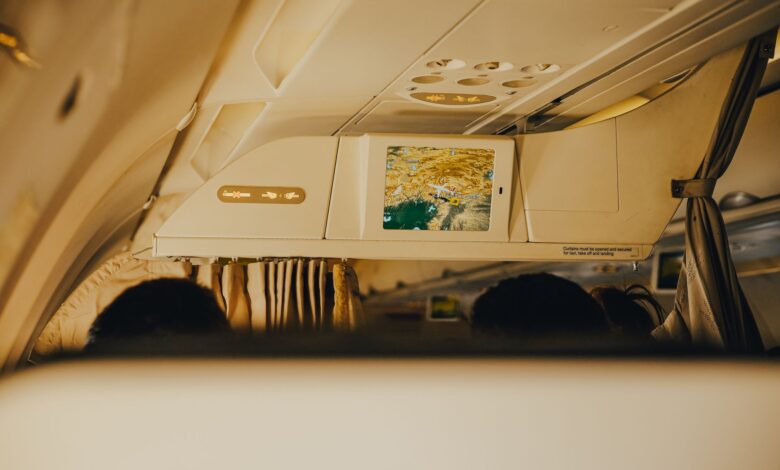
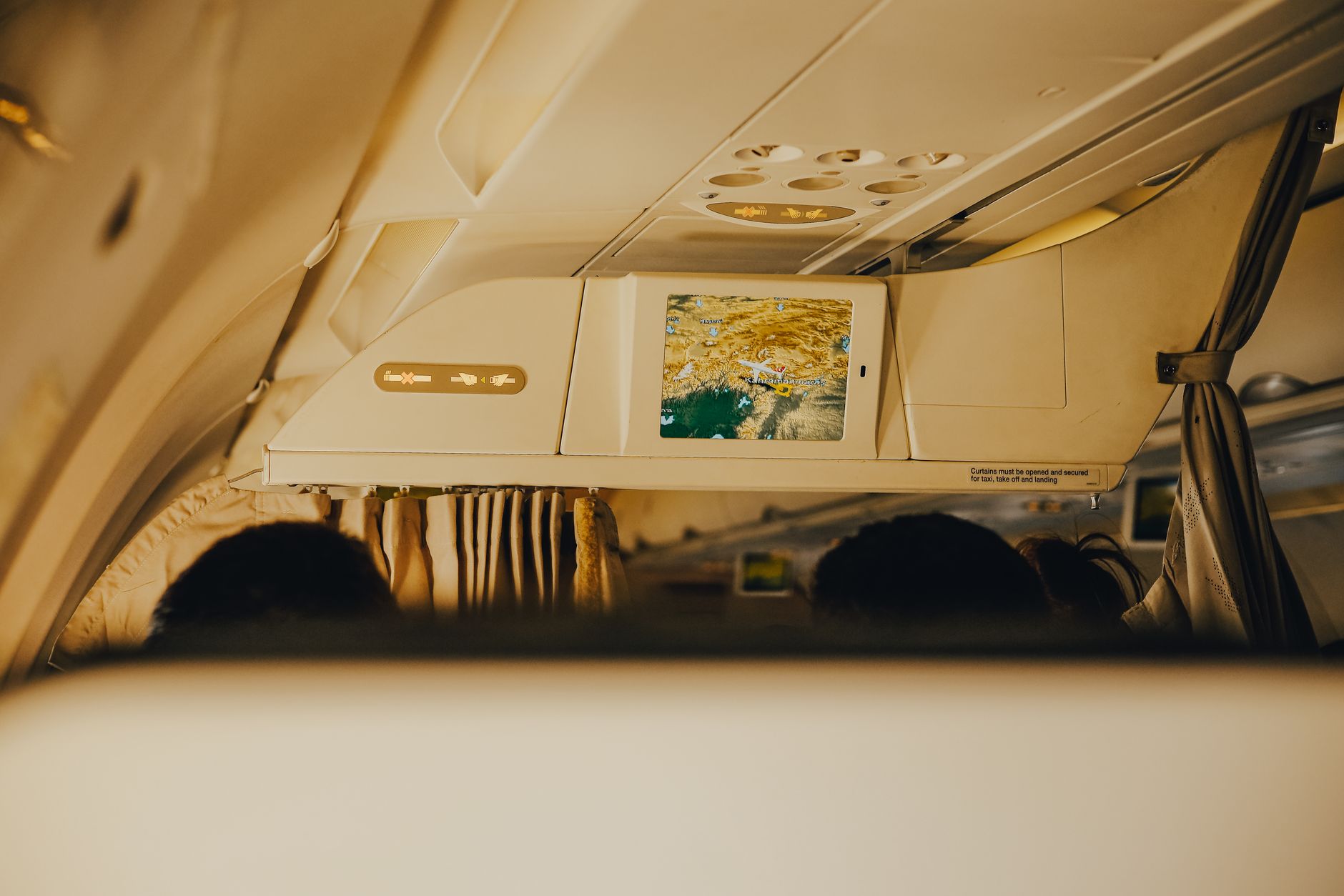
Delta’s physical product investment reinforces the financial product. Delta One suites with sliding doors, upgraded bedding, and larger in-flight entertainment screens on widebody aircraft have given the airline something concrete to sell at a premium price point. Business travelers who once tolerated United’s Polaris product because MileagePlus miles were more useful are now running a different calculation: if Delta’s hard product is genuinely better and its lounge experience is more consistently managed, the loyalty math starts to shift. Status does not mean much if the flight itself is worse.
The Amex partnership is the part of this that United cannot easily replicate. Delta’s deal with American Express is estimated to generate several billion dollars annually for the airline, a figure that dwarfs most airline-bank partnerships in sheer volume. Chase’s co-branded cards with United are strong – the Sapphire ecosystem is genuinely competitive – but American Express holds a demographic advantage among high-spending, high-income cardholders that Chase’s travel portfolio has not fully closed. Delta has essentially outsourced part of its customer acquisition to one of the most powerful financial brands in the country, and it is working.
Where United’s Loyalty Edge Gets Complicated
United’s MileagePlus program still carries real advantages. Its Star Alliance membership gives members earning and redemption access across a partner network that SkyTeam, Delta’s alliance, has never fully matched in terms of aspirational redemption value. For the frequent flyer who games programs strategically – burning miles on Lufthansa First Class or ANA The Room – MileagePlus remains the more powerful tool. The problem is that population of sophisticated mileage maximizers, while loud online, is not where airline revenue actually lives.
Corporate contracts are the real battleground, and Delta has been winning them. Several large corporate accounts have shifted preferred carrier status toward Delta over the past few years, drawn partly by on-time performance, partly by the lounge and premium cabin experience that executives actually notice, and partly by a domestic network that has become genuinely competitive with United’s in key markets. Corporate travel managers increasingly hear feedback from travelers about which airline they prefer, and Delta’s premium cabin consistency – relative to United’s historically uneven execution on Polaris – matters in those conversations.
United has responded. The airline’s Polaris product has improved on newer aircraft, and its domestic first class offering on certain routes has been refreshed. United also rolled out a subscription-style perks structure and has pushed hard on the Chase ecosystem. But there is a structural problem: United’s hub geography forces it to run an enormous domestic connecting operation, and the operational complexity that comes with that makes consistency harder to deliver than on Delta’s more streamlined network. Perks and partnerships are easier to announce than consistent execution.
What Loyalty Really Means When the Seat Gets Better
Loyalty programs were built on the idea that switching costs – accumulated miles, elite status, upgrade priority – would keep travelers from defecting even when a competitor offered a better experience. That model held for decades because premium cabin products were relatively undifferentiated. When every business class seat is roughly the same, a traveler’s MileagePlus balance is a serious anchor. When one airline starts offering a meaningfully better hard product and a lounge network that travelers actively seek out, the switching cost calculation changes. Delta is betting that experience loyalty, built through the physical product and backed by the Amex relationship, can outlast points-based loyalty – and so far, the bet is paying off more than United would publicly like to admit.

The tension playing out between these two carriers will likely define business travel preferences through the rest of the decade, and United’s next move on its physical premium product – not its loyalty program mechanics – is the variable that matters most. Announcing a better seat is easy. Retrofitting a fleet is not.