

Masayoshi Son’s Biggest Bet Yet
Masayoshi Son has never been a cautious investor. The SoftBank founder built his reputation on writing enormous checks before markets caught up with his conviction, and his track record includes both spectacular wins and equally spectacular wrecks. Now, with artificial intelligence infrastructure becoming the defining capital race of the decade, Son is pushing harder into the United States than at any point in SoftBank’s history.
SoftBank has pledged to invest $100 billion into the U.S. over a four-year period, with AI data centers, semiconductor ventures, and technology infrastructure forming the core of that commitment. The announcement, made at a meeting with President Donald Trump late last year, positioned SoftBank as one of the largest foreign investors in American AI buildout.
Son is betting his legacy on this.

What the Infrastructure Push Actually Looks Like
The SoftBank investment strategy is not a single fund or a passive index bet. It is a coordinated push across multiple layers of the AI stack – from physical data center construction to chip design to the software companies that will ultimately run on that hardware. SoftBank’s existing stake in Arm Holdings, the chip architecture firm that went public in 2023, sits at the center of this thesis. Arm’s designs power the majority of smartphones on earth, and Son has consistently argued that the company’s architecture will become equally dominant in AI inference workloads as the industry matures.
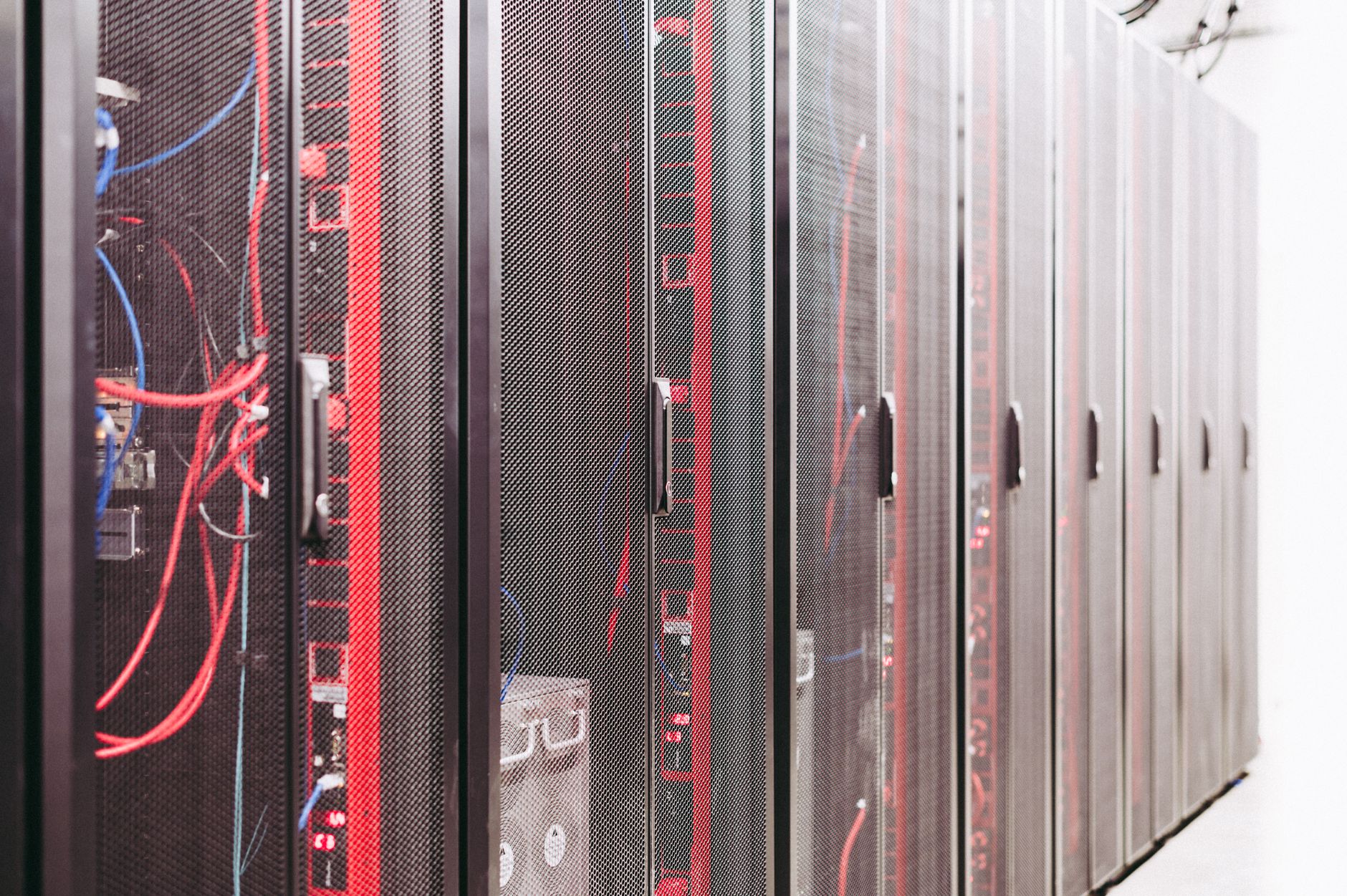
Beyond Arm, SoftBank has been actively pursuing data center partnerships in the United States, working alongside energy providers and construction firms to secure land, power agreements, and cooling infrastructure. The economics here are demanding. Building AI-grade data centers at scale requires reliable access to gigawatts of electricity, and that constraint has become one of the most consequential bottlenecks in the entire AI buildout. Son’s willingness to commit capital at this stage, before the infrastructure fully exists, is the kind of early positioning that defined his early investment in Alibaba – which returned roughly 2,900 times its initial value over two decades.
SoftBank has also signaled ambitions around what Son calls “ASI” – artificial superintelligence – framing the current infrastructure investment not as a tech play but as preparation for a qualitative leap in machine capability. Whether or not that framing reflects near-term technical reality, it shapes how Son is allocating capital: long-duration, high-risk, and oriented toward the infrastructure layer rather than consumer applications.
The Political and Financial Context
The timing of SoftBank’s U.S. commitment is not incidental. Son announced the $100 billion pledge at Trump Tower, with the then-president-elect standing alongside him. That image was deliberate. By visibly aligning with the incoming administration before the inauguration, SoftBank secured goodwill that matters enormously for a foreign company trying to win regulatory approvals, data center permits, and government contracts in a political environment that has grown increasingly skeptical of foreign ownership in critical infrastructure.
SoftBank’s financial position has also stabilized significantly from the bruising years following the Vision Fund’s overexposure to companies like WeWork and Didi. The Arm IPO generated real proceeds and restored some credibility to Son’s track record of identifying transformative technology before the crowd. That credibility gives SoftBank more latitude with institutional partners and co-investors who were deeply cautious after the Vision Fund’s losses. The company is not operating from a position of desperation – it is operating from a position of renewed confidence, which changes how aggressively it can negotiate terms.
There is a broader competition playing out here that Son understands well. Microsoft, Amazon, Google, and Meta have collectively announced AI infrastructure spending plans running into hundreds of billions of dollars annually. SoftBank is not competing directly with those companies – it is trying to own the substrate they will all depend on. The distinction matters. Rather than betting on which AI model wins, Son is betting that all of them will need more chips, more power, and more physical space than currently exists.
What Could Go Wrong
The risks in this strategy are real and not abstract. Power constraints could delay data center timelines by years. Geopolitical friction between the U.S. and Japan – or between the U.S. and countries where SoftBank’s partners operate – could complicate deal structures in ways that are hard to anticipate. Arm’s competitive position is strong now, but custom silicon efforts from major cloud providers represent a genuine long-term threat to its dominance in AI workloads. And if the current AI investment cycle cools before the infrastructure Son is funding becomes fully productive, SoftBank will be holding very expensive physical assets with uncertain near-term returns.
Son has lived through investment catastrophes before and rebuilt. The more pressing question is whether the AI infrastructure bet plays out on the timeline his capital structure actually requires, or whether SoftBank finds itself, once again, slightly ahead of the moment it was preparing for.
SoftBank is currently in discussions with several U.S. states over potential data center sites, and Son has indicated the $100 billion commitment could be announced in tranches tied to specific project milestones – which means the next major disclosure about where, exactly, this money is going could come sooner than most observers expect.