


Uber has spent years building one of the largest gig-economy workforces on the planet. Now it is quietly cutting deals that could make that workforce optional.

The Partnership Strategy Uber Does Not Advertise
Uber’s robotaxi agreements – with Waymo in the United States and a growing list of autonomous vehicle developers globally – are structured as fleet integrations rather than driver replacements. The company insists both models can coexist. The math, however, tells a more complicated story. Every autonomous ride completed through Uber’s app is a ride that does not generate a per-trip payment to a human driver. At scale, the distinction between “coexistence” and “substitution” starts to collapse.
The Waymo partnership, active in select U.S. markets, allows riders to request a driverless vehicle through the Uber app. Uber collects a booking fee on each ride without paying out driver earnings. The margin structure on those rides is fundamentally different from a standard trip. Human drivers receive roughly 70 to 75 percent of the fare on a typical ride. A robotaxi deal negotiated at the platform level looks nothing like that split, and Uber has not disclosed the exact terms – which itself is notable for a publicly traded company that regularly discusses driver economics in earnings calls.
The expansion is not happening all at once, which is part of why it has not triggered a more organized response from drivers. Waymo operates in Phoenix, San Francisco, and Los Angeles. Uber’s autonomous partnerships in other markets involve different companies at varying stages of deployment. The rollout feels gradual, localized, almost experimental – but the pattern across markets points in one direction.
Uber’s corporate framing positions robotaxi integration as a way to serve demand that the driver network cannot meet, particularly during peak hours or in areas with low driver supply. That framing is defensible. It is also convenient. It allows the company to expand autonomous capacity without ever announcing that it is replacing drivers – because technically, in any given moment, it is not.
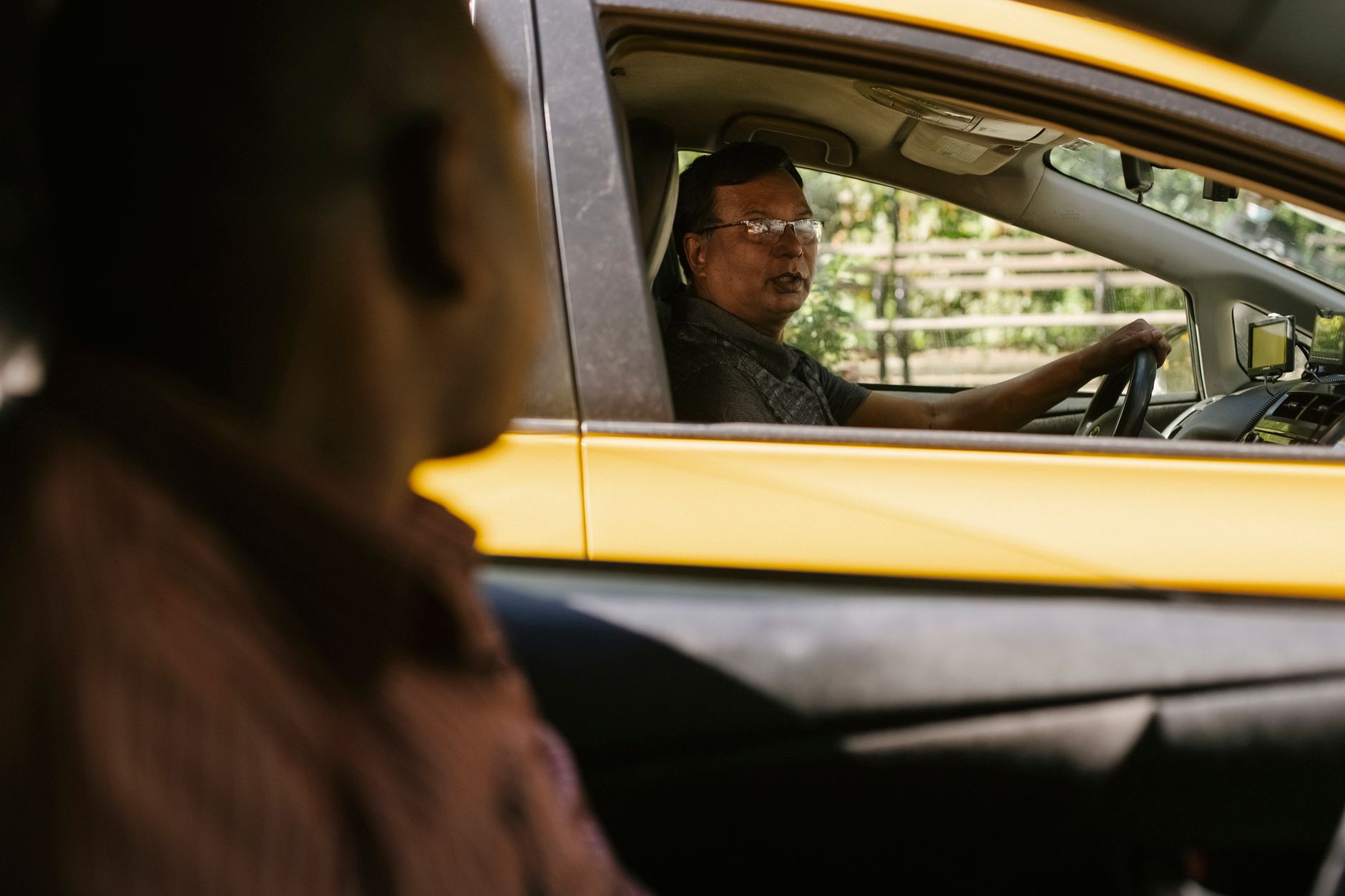
What This Means for the 4 Million Drivers Who Depend on the Platform
Uber’s active driver base – a number the company has cited as exceeding four million globally – earns income on a per-trip basis with no guaranteed hours, no benefits, and no severance protections. The flexibility that defines gig work is the same feature that leaves drivers with no structural protection against demand erosion. If autonomous vehicles absorb ten percent of trips in a given market, drivers in that market see their earnings opportunities shrink by roughly the same amount, with no notification, no compensation, and no recourse.
The cities where robotaxi deployment is most advanced also tend to be cities with the highest driver density and the most competitive earnings environments. San Francisco drivers already operate in one of the country’s most saturated ride-hail markets. Adding Waymo vehicles to Uber’s dispatch pool in that city does not solve a supply shortage – it intensifies an earnings squeeze that many drivers were already navigating.
Driver advocacy groups have raised concerns about the trajectory, but the gig classification fight has consumed most of the political and legal oxygen around Uber’s labor practices. The California battle over Proposition 22, which cemented independent contractor status for app-based drivers, was fought largely on the question of benefits and minimum earnings floors. Autonomous vehicles were barely part of that debate. As a result, there is no legal framework – in California or anywhere else – that gives drivers a claim when their income is diminished by autonomous competition on the same platform they work for.
The psychological dimension of this situation is worth examining directly. Drivers are recruited, onboarded, and retained by Uber through a platform that presents them as essential to its service. Surge pricing is marketed to them as a reward for showing up when demand spikes. Ratings systems and acceptance rate metrics shape their behavior and earnings. The entire architecture of the driver relationship assumes that human supply is the variable Uber needs to manage. Autonomous vehicles remove that assumption without changing the terms of the relationship that remains.
Some drivers have begun tracking which markets are adding robotaxi capacity and adjusting where and when they drive accordingly. That kind of behavioral adaptation is rational – and it signals that at least part of the driver base understands what is happening. Whether that awareness translates into organized pressure on Uber is a different question. Driver organizing in the gig economy has historically struggled to maintain momentum, partly because the workforce turns over quickly and partly because drivers in different cities face different conditions.
The Regulatory Gap That Makes All of This Possible
No major regulatory body has yet established rules governing how a platform can treat its human contractors when it simultaneously deploys autonomous alternatives on the same marketplace. The autonomous vehicle regulatory conversation has focused almost entirely on safety – testing protocols, incident reporting, liability frameworks. The labor economics of mixed-fleet platforms have not attracted the same scrutiny, which leaves Uber operating in a space where it can expand robotaxi capacity without triggering any of the disclosure or consultation obligations that would apply in a traditional employment context.
That gap may not hold indefinitely. Labor regulators in the European Union have been moving toward reclassifying gig workers as employees under certain platform conditions, which would create a very different set of obligations around how Uber manages its workforce. If European regulators begin asking whether autonomous vehicle integration constitutes a material change to driver working conditions – the kind of change that triggers consultation rights under employment law – Uber’s current approach of quiet, incremental expansion becomes legally riskier. The company is almost certainly aware of this, which may explain why its robotaxi rollout in European markets has proceeded more cautiously than in the U.S.