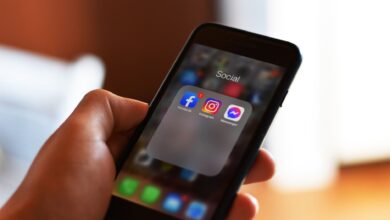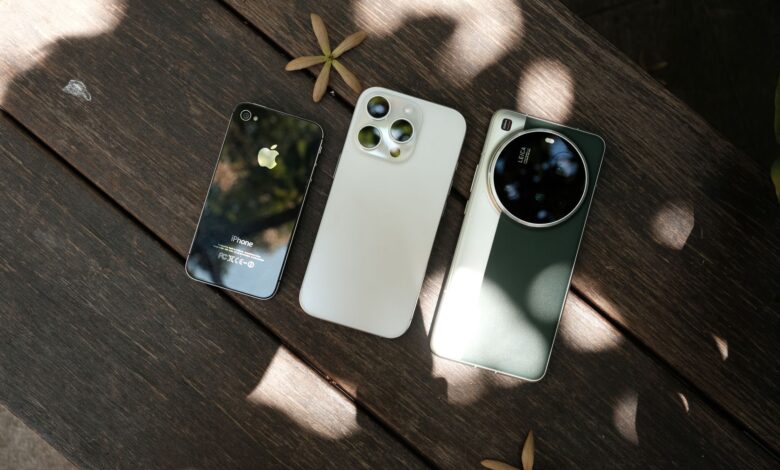
Apple is betting that artificial intelligence will do what thinner bezels and faster chips alone could not – convince hundreds of millions of iPhone users to upgrade sooner than they planned. The strategy is logical on paper. The execution is proving far more complicated.
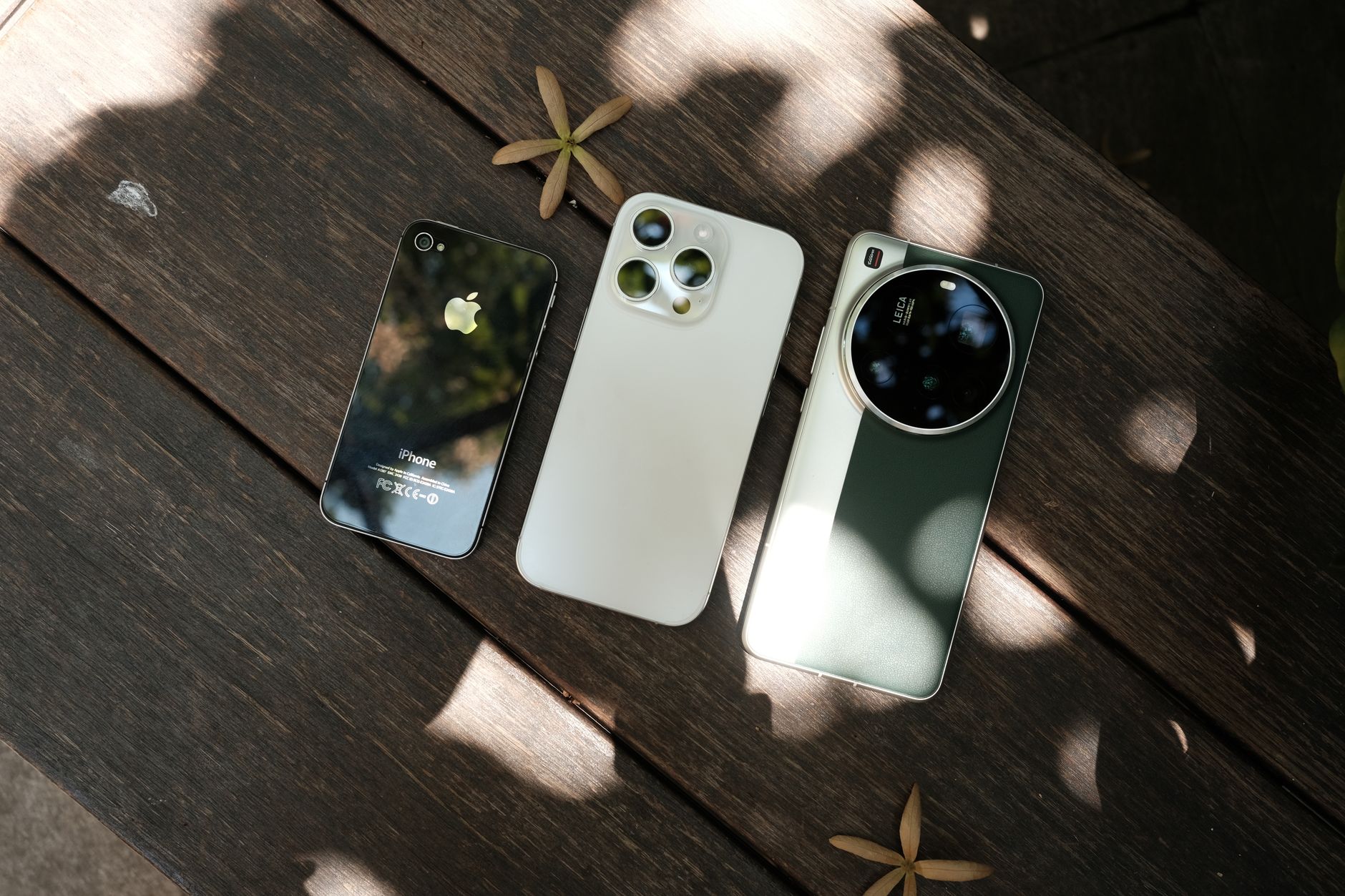
The Hardware Wall Apple Did Not See Coming
For years, Apple’s upgrade cycle ran on a fairly reliable rhythm. A meaningful camera improvement here, a new processor generation there, and enough customers would trade in last year’s phone to keep revenue climbing. That rhythm started slipping around 2022, when phone hardware matured to a point where year-over-year improvements became genuinely hard to feel in daily use. Apple Intelligence – the company’s branded suite of on-device AI features – was supposed to reset that rhythm by creating a capability gap that older devices simply could not cross.
The problem is where Apple drew that line. Apple Intelligence requires an iPhone 15 Pro or any iPhone 16 model to run. That cutoff locks out the entire standard iPhone 15 lineup, despite those phones running on the same A16 chip found in the iPhone 14 Pro. The decision appears to be rooted in RAM – the Pro models carry 8GB versus the standard 6GB – but from a consumer standpoint, the message landed awkwardly: a phone purchased less than two years ago cannot run the company’s flagship software push. That gap is not lost on buyers who feel they made a reasonable purchase recently and are now being told their device is already behind.
The downstream effect is starting to show in how Apple frames its own product messaging. Retail materials and keynote presentations have leaned harder into Apple Intelligence availability as a selling point than almost any hardware specification. When a company’s software becomes the primary pitch for new hardware, that tells you something about where the hardware differentiation story has run thin. Apple is not hiding this – it is doubling down on it – but the calculation assumes that AI features are compelling enough to close a sale on their own, and that assumption is still being tested in real markets.
There is also the question of what Apple Intelligence actually delivers today versus what was promised. The headline feature – a more capable Siri that can take actions across apps, understand context, and interact with personal data intelligently – has arrived in pieces. Some announced capabilities shipped months late. Others remain absent as of mid-2025. When the upgrade pitch depends on a feature set that is still being assembled, the urgency for customers to act now softens considerably.

Why the Upgrade Math Is Harder Than It Looks
Apple’s installed base is enormous – somewhere north of a billion active iPhones globally – and a meaningful portion of those devices are three, four, or five years old. On paper, that looks like a pool of latent demand waiting for the right reason to upgrade. AI compatibility requirements create exactly that kind of forcing function, which is why Apple’s strategy makes sense from a boardroom perspective. The issue is that forcing functions work best when the feature being gated is immediately visible and undeniably useful. AI features that process language and surface suggestions in the background are harder to demo in a store aisle than a better camera or a noticeably faster screen.
Pricing is another friction point. Apple Intelligence is technically free, included with compatible hardware. But the hardware required to access it – iPhone 15 Pro starting inventory or the iPhone 16 line – sits in a price bracket that has crept steadily higher over the past several years. For buyers in markets where installment plans are less available or where currency fluctuations have made dollar-denominated pricing particularly painful, the AI upgrade pitch competes directly with budget constraints that no software feature can override.
Apple also faces a timing problem that has nothing to do with its own product decisions. Google has been pushing AI features aggressively into Android devices at multiple price points, including mid-range hardware that reaches markets Apple’s premium positioning does not. Samsung has embedded its own AI suite into Galaxy devices and marketed those features loudly. When competitors are offering AI-adjacent experiences on phones that cost significantly less, Apple’s argument that you need to spend more to access intelligence starts to require more justification than it did when Apple was the only company making serious AI claims about a phone.
The trade-in ecosystem has absorbed some of this pressure. Apple’s trade-in valuations and carrier subsidy deals have effectively lowered the out-of-pocket cost for many upgrades, particularly in the United States. But trade-in programs work best when the device being traded in retains strong residual value. As the installed base of older iPhones grows and the proportion of AI-ineligible phones increases, the trade-in pipeline could eventually flood with devices that have limited resale upside, compressing the economics that make upgrade deals feel attractive to consumers.
What Apple has not fully resolved is the trust gap that emerged from rolling out Apple Intelligence in phases. Users who upgraded specifically to access AI features and then waited months for core functionality to arrive are not a loud majority, but they represent a visible reminder that early adoption carries real risk. Word of mouth matters in the premium smartphone segment, and the narrative that Apple’s AI is “coming soon” has lingered long enough to become a recurring joke in tech circles. That perception does not kill upgrade cycles, but it adds friction to the very argument Apple is trying to make.
What Comes Next in the Cycle
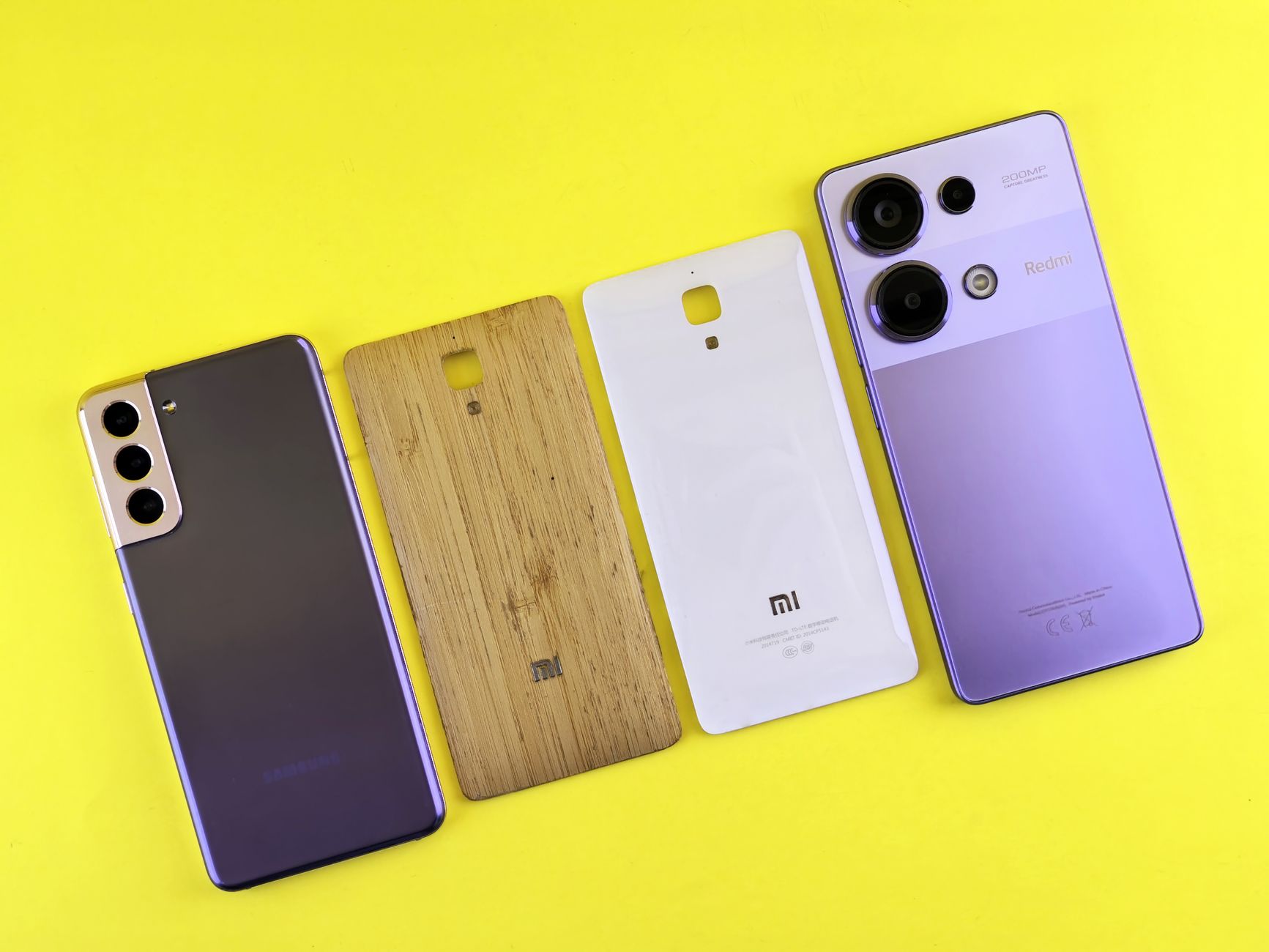
The iPhone 17 lineup is expected to extend Apple Intelligence access more broadly, potentially including standard models with upgraded RAM configurations. If that happens, it partially corrects the alienation of users who bought a standard iPhone 15 and found themselves outside the AI boundary. It also sets up a more straightforward upgrade argument: here is a device that can do everything the previous generation could not, across all tiers, at prices that match existing expectations. That is a cleaner pitch than the current tiered access situation.
But broadening access also dilutes the exclusivity that helped Apple justify Pro pricing. If Apple Intelligence runs equally well on a standard iPhone 17 as on the Pro model, the question of what actually separates the Pro becomes more pointed. Camera hardware and display specifications can carry that weight only so far when the software experience – which is increasingly the product – is identical across tiers. Apple will need to answer that question with something other than a thinner chassis or a slightly brighter screen, and whatever that answer is, it will define where the upgrade cycle goes next.