

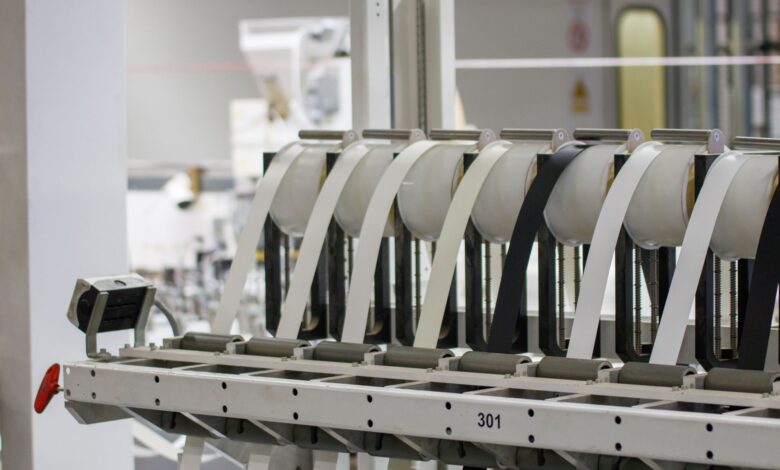
Apple’s supply chain is being redrawn in real time. As the United States maintains elevated tariffs on Chinese goods, the pressure on Apple’s manufacturing network – built over two decades in China – has become too significant to manage through pricing adjustments alone. The response has been a deliberate, accelerating push to move production of key devices to India, a country that is quietly becoming the most important manufacturing address in consumer electronics.
The shift is not theoretical or distant. iPhones destined for American consumers are already being assembled at facilities in Tamil Nadu and Karnataka. The pace of that transition has picked up sharply as tariff exposure has made Chinese-origin goods more expensive to import into the US market, cutting into margins that Apple guards closely and complicating the pricing calculus for every new product cycle.
Why India, Why Now
India has spent several years building the infrastructure and policy environment needed to attract exactly this kind of investment. The government’s production-linked incentive scheme, which offers financial rewards tied to manufacturing output, has made it considerably cheaper for suppliers to set up and scale operations there. Foxconn and Tata Electronics – two of Apple’s most important assembly partners – have both committed significant capital to Indian facilities in response.
The labor cost advantage is real but not the whole story. India offers Apple something China increasingly cannot: supply chain geography that sits outside the direct line of fire in the US-China trade dispute. For a company that sells the majority of its most profitable product, the iPhone, in the American market, removing tariff exposure from the manufacturing origin of that product has a direct effect on the bottom line – and on Apple’s ability to hold its price points without eroding demand.
There is also a longer political logic at work. Washington has made clear that reducing economic dependence on Chinese manufacturing is a bipartisan priority. Apple, regardless of whatever relationships it has maintained in Beijing, cannot afford to be seen as indifferent to that pressure. Moving iPhone production for US-bound units to India gives the company a defensible answer to congressional and regulatory scrutiny that building more capacity inside China never could.
The China Question Is Not Resolved
None of this means Apple is walking away from China. The country still accounts for the overwhelming majority of Apple’s global production capacity, and China remains Apple’s third-largest sales market by revenue. The manufacturing expertise concentrated in the Pearl River Delta region – the network of component suppliers, tooling specialists, and assembly workers operating at a scale India has not yet matched – is not something that relocates quickly or cheaply.
What Apple is doing is more surgical: carving out the specific production lines that serve tariff-sensitive markets, primarily the US, and migrating those to India while leaving higher-volume, lower-scrutiny production in China. It is a dual-track strategy that accepts ongoing exposure in China as a structural reality while reducing the specific tariff liability that directly affects American pricing and profitability.
Supply Chain Stress Points and What They Reveal
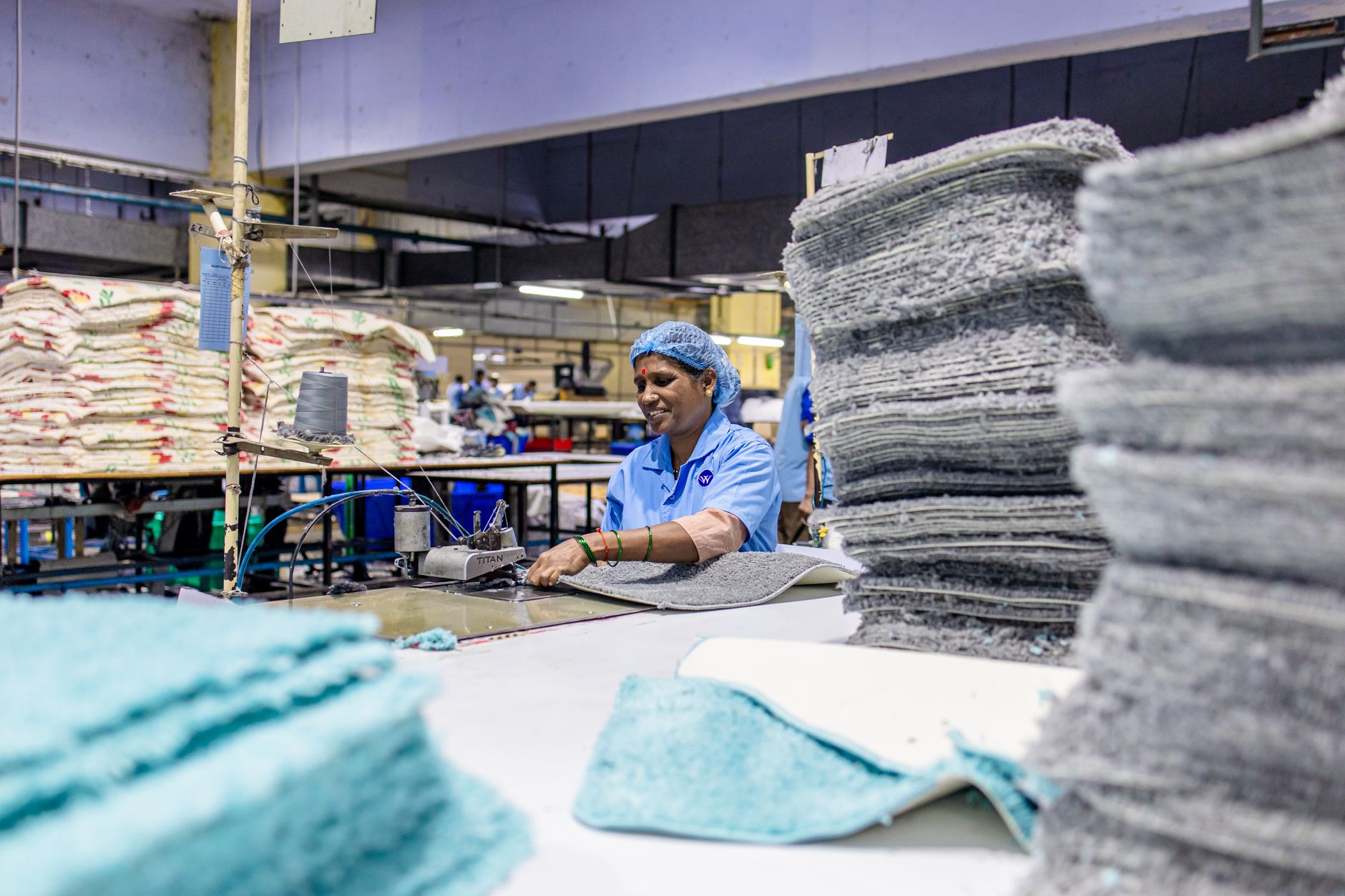
The suppliers caught in the middle of this transition face a genuinely difficult position. Relocating assembly operations to India requires rebuilding supplier ecosystems from scratch in many cases. The precision components that go into an iPhone – the camera modules, the logic board assemblies, the display glass – come from a dense web of specialized manufacturers, most of them clustered in China. Replicating that ecosystem in a new country takes years, not quarters, and the companies doing it are carrying that capital cost during a period of already compressed margins.
Tata’s rapid expansion in India has been notable. The conglomerate, which acquired a Taiwanese supplier’s Indian operations, is now among the largest iPhone assemblers outside China. That trajectory has impressed observers and validated India’s case as a serious manufacturing destination rather than a political talking point. Still, the defect rates and output quality at newer Indian facilities have, by multiple accounts, lagged behind what Apple’s Chinese partners deliver – a gap that engineers and operations managers on both sides are actively working to close.
The tariff pressure that is driving this migration is also creating a kind of urgency that compresses normal timelines. Apple is not waiting for Indian suppliers to reach full maturity before redirecting production their way. The company is essentially asking its partners to learn and scale simultaneously, which introduces quality and logistics risks that would not exist if the transition were happening at a more deliberate pace. That tension between speed and reliability is one of the defining challenges of the current production shift.
For the broader electronics industry, Apple’s moves set a reference point. When Apple decides a geography is viable for high-volume precision manufacturing, component suppliers, logistics companies, and rival device makers all update their own assessments. The infrastructure investment that follows Apple into India will make the next wave of transitions – for other brands, other categories – incrementally easier. Apple is absorbing much of the early-mover cost, and the industry will benefit from that long after the current tariff dispute is resolved or restructured.

The critical unknown is how far tariffs on Chinese goods will ultimately go, and whether they stabilize at current levels or escalate further. Apple’s India investment makes clear sense if tariffs remain elevated. If the trade environment were to normalize sharply – an unlikely but not impossible outcome – the company would have spent billions building parallel capacity in a country still closing the quality gap with its existing supplier base. That is the bet embedded in every new Indian factory announcement Apple and its partners make: that the tariff regime, and the political assumptions behind it, hold.