
Severe Winter Storm Paralyzes Northeast as Airports Cancel Thousands of Flights

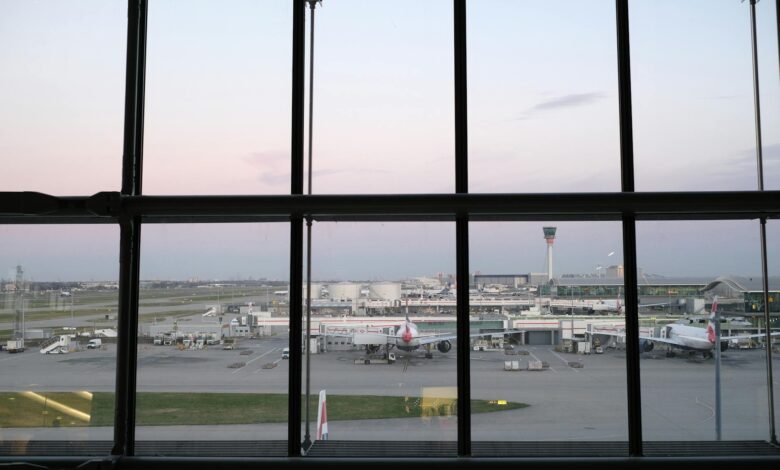
A massive winter storm system has brought the Northeast to a standstill, forcing airlines to cancel over 4,000 flights as blizzard conditions dump up to three feet of snow across major metropolitan areas. The storm, dubbed Winter Storm Elliot by meteorologists, has created what aviation officials are calling one of the most disruptive weather events of the winter season.
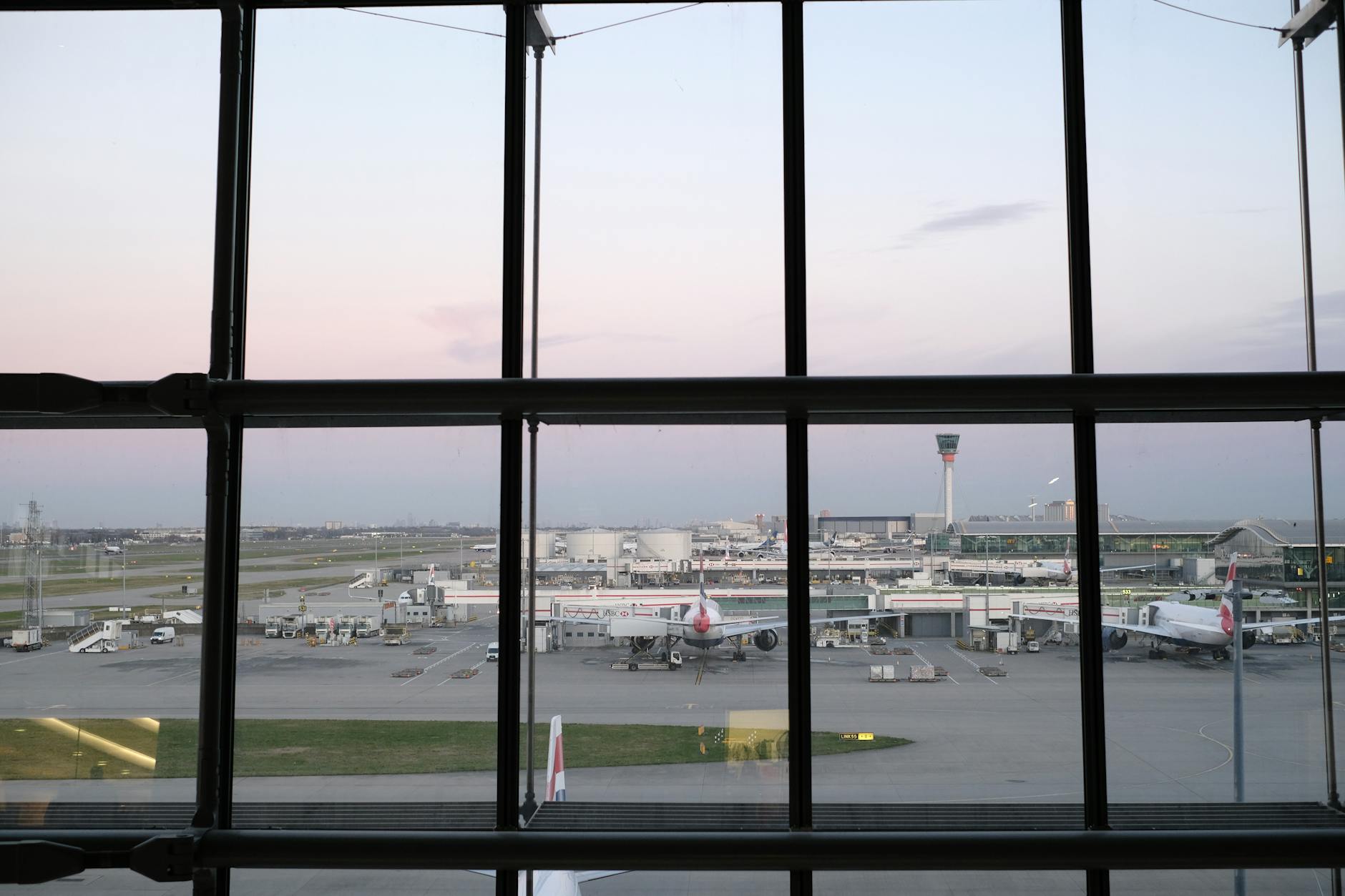
The tempest began affecting travel late Sunday evening, with conditions rapidly deteriorating throughout Monday morning. By midday, nearly every major airport from Washington D.C. to Boston had suspended operations or severely limited flights. The Federal Aviation Administration issued ground stops for multiple airports, while passengers found themselves stranded in terminals across the region.
Transportation Networks Collapse Under Storm’s Weight
Major airlines including American, Delta, and United began preemptively canceling flights Sunday night as meteorologists upgraded their forecasts. JFK International Airport reported zero visibility conditions by 6 AM Monday, with winds gusting up to 65 miles per hour creating whiteout conditions that made runway operations impossible.
LaGuardia Airport closed both runways after a Southwest Airlines aircraft slid off the taxiway during attempted departure preparations. No injuries were reported, but the incident prompted immediate suspension of all operations. Newark Liberty International followed suit within hours, citing similar safety concerns.
The ripple effects extended far beyond the Northeast. Chicago O’Hare and Atlanta’s Hartsfield-Jackson began experiencing delays as airlines scrambled to reroute aircraft and crews originally scheduled for Northeast destinations. Flight tracking websites showed a web of red cancellation notices stretching across the national flight map.
Amtrak suspended all service between Boston and Washington D.C., affecting the heavily traveled Northeast Corridor that typically carries over 750,000 passengers daily. The railway cited concerns about snow accumulation on tracks and potential power line issues caused by heavy, wet snow combined with strong winds.
Interstate highways became parking lots as state transportation departments struggled to keep major arteries clear. Interstate 95, the region’s primary north-south corridor, saw multiple closures between New York and Boston. State police in Connecticut reported responding to over 200 weather-related accidents within a six-hour period.
Cities Brace for Historic Snowfall Totals
Boston meteorologists upgraded their snowfall predictions to 30-36 inches, potentially making this storm one of the top five snow events in the city’s recorded history. The combination of heavy snow rates – exceeding three inches per hour at times – and sustained winds created snowdrifts reaching eight feet in some suburban areas.
New York City activated its highest level emergency response, with Mayor Eric Adams declaring a travel advisory and urging residents to avoid unnecessary trips. The city’s sanitation department deployed over 1,500 snow plows and salt spreaders, but officials acknowledged they were fighting an uphill battle against the storm’s intensity.
Central Park recorded 18 inches of snow by noon Monday, with the storm’s heaviest bands still approaching. The National Weather Service warned that snowfall rates could intensify further, potentially reaching four inches per hour during the afternoon hours.
Philadelphia experienced similar conditions, with the city’s airport measuring wind gusts up to 58 miles per hour. The combination of snow and wind created near-impossible driving conditions, prompting Pennsylvania Governor Josh Shapiro to implement commercial vehicle restrictions on major highways.
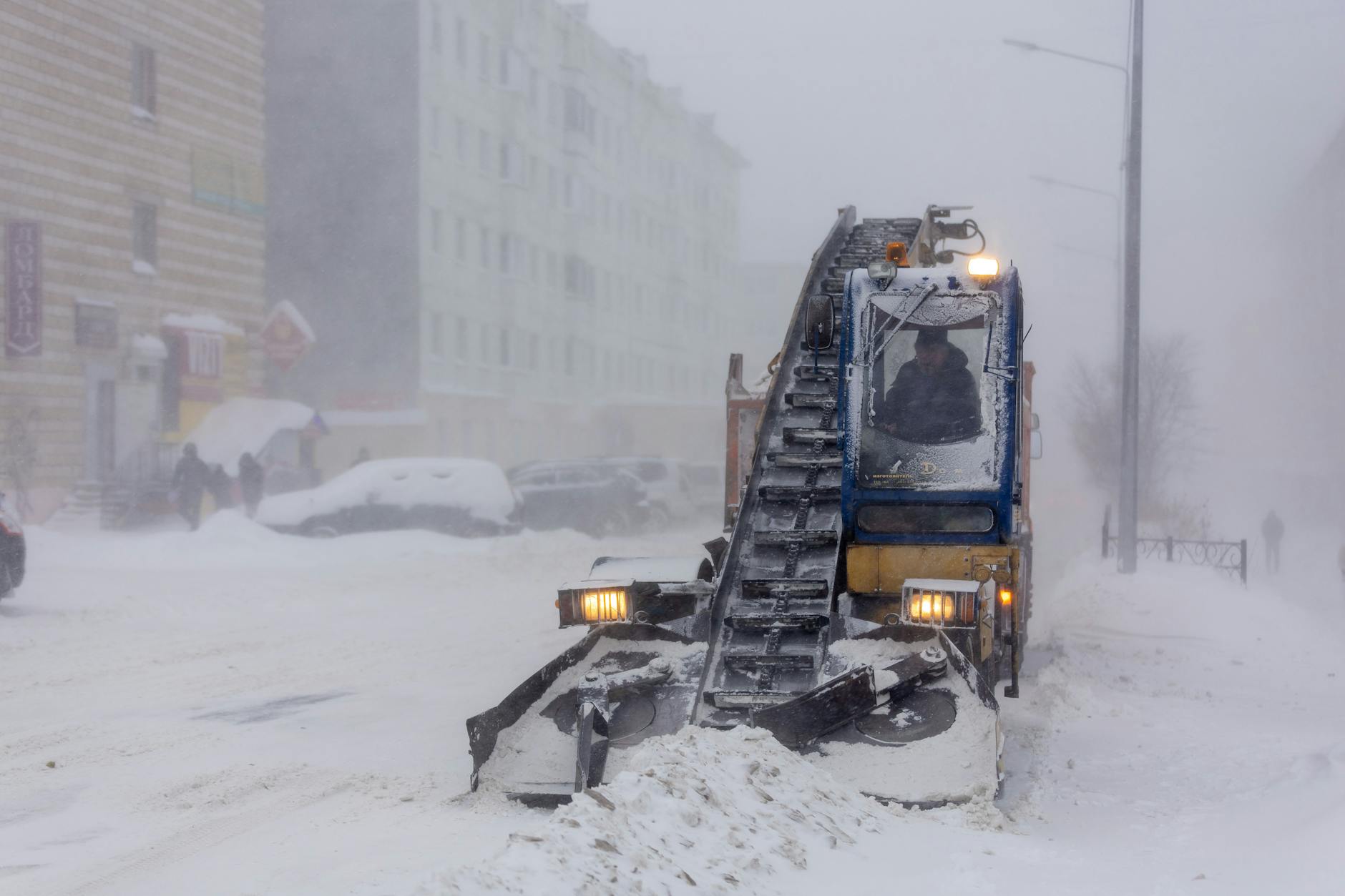
Emergency management officials across the region opened warming centers and shelters for residents without power. Utility companies reported over 300,000 customers without electricity, primarily due to tree branches weighted down by heavy snow falling onto power lines. The wet nature of the snow, with temperatures hovering near 32 degrees Fahrenheit, created particularly hazardous conditions for power infrastructure.
Economic Impact Spreads Across Multiple Sectors
The storm’s economic consequences extend far beyond aviation. Retail stores across the Northeast closed early or remained shuttered Monday, while many corporate offices implemented work-from-home policies for employees who hadn’t already transitioned to remote work arrangements.
Stock markets opened normally but showed increased volatility in travel and transportation sectors. Airlines’ stock prices declined in morning trading, while companies specializing in snow removal equipment and emergency supplies saw modest gains.
The timing proved particularly challenging for businesses still recovering from recent disruptions in other sectors. Unlike the major cyberattack that recently affected European banking systems, this weather emergency creates physical rather than digital barriers to commerce.
Distribution centers and shipping hubs suspended operations, potentially affecting package deliveries for several days. FedEx and UPS announced service delays throughout the affected region, while Amazon temporarily suspended same-day and next-day delivery options for millions of customers.
Hotels near airports reported full occupancy as stranded travelers sought accommodations. Many establishments raised rates significantly, taking advantage of the sudden surge in demand. Car rental agencies exhausted their inventories as travelers sought alternative transportation methods.
Recovery Efforts Begin Despite Ongoing Conditions
Despite continuing snowfall, recovery operations have already begun in some areas. Airport authorities in Boston and New York started positioning snow removal equipment for rapid deployment once conditions improve. The Port Authority of New York and New Jersey announced plans to begin runway clearing operations as soon as wind speeds drop below 35 miles per hour.
Airlines have begun rebooking passengers on flights scheduled for later in the week, though industry experts warn that the backlog could take several days to clear. United Airlines alone reported having to accommodate over 40,000 affected passengers, while other major carriers faced similar numbers.

Weather forecasters predict the storm will begin moving offshore Tuesday morning, with snowfall rates decreasing significantly by Tuesday afternoon. However, bitter cold temperatures following the storm could create additional challenges, as snow removal becomes more difficult once temperatures drop well below freezing.
Emergency management officials emphasize that while the worst of the storm may pass within 24 hours, residents should prepare for several days of difficult travel conditions. Road crews will need time to clear secondary streets, and many sidewalks and parking areas may remain impassable for days.
The National Weather Service has already begun issuing forecasts for the next potential storm system, currently developing over the Pacific Northwest. Early models suggest another significant weather event could affect the Great Lakes region by the weekend, raising concerns about continued travel disruptions across multiple regions.
As the Northeast begins assessing the full scope of this winter storm’s impact, attention turns to preparation and recovery efforts that will likely extend well into the week ahead.
Frequently Asked Questions
How many flights were canceled due to the Northeast winter storm?
Airlines canceled over 4,000 flights as major airports from Washington D.C. to Boston suspended or severely limited operations.
Which airports are closed due to the winter storm?
LaGuardia, JFK, Newark, and Boston Logan have either closed runways or suspended operations due to blizzard conditions.