
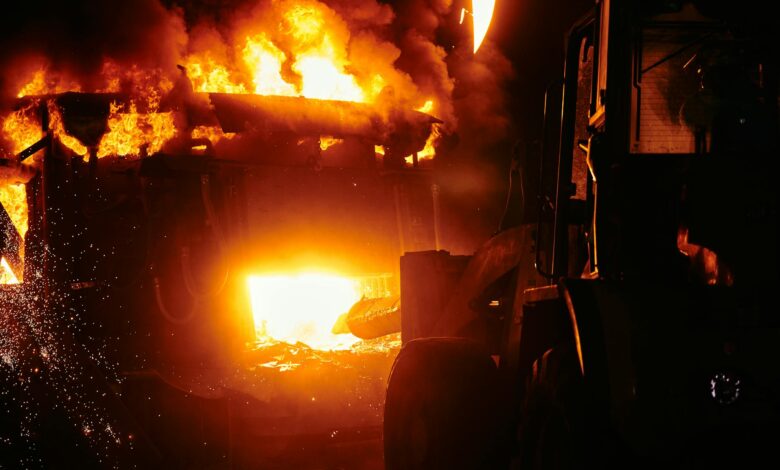
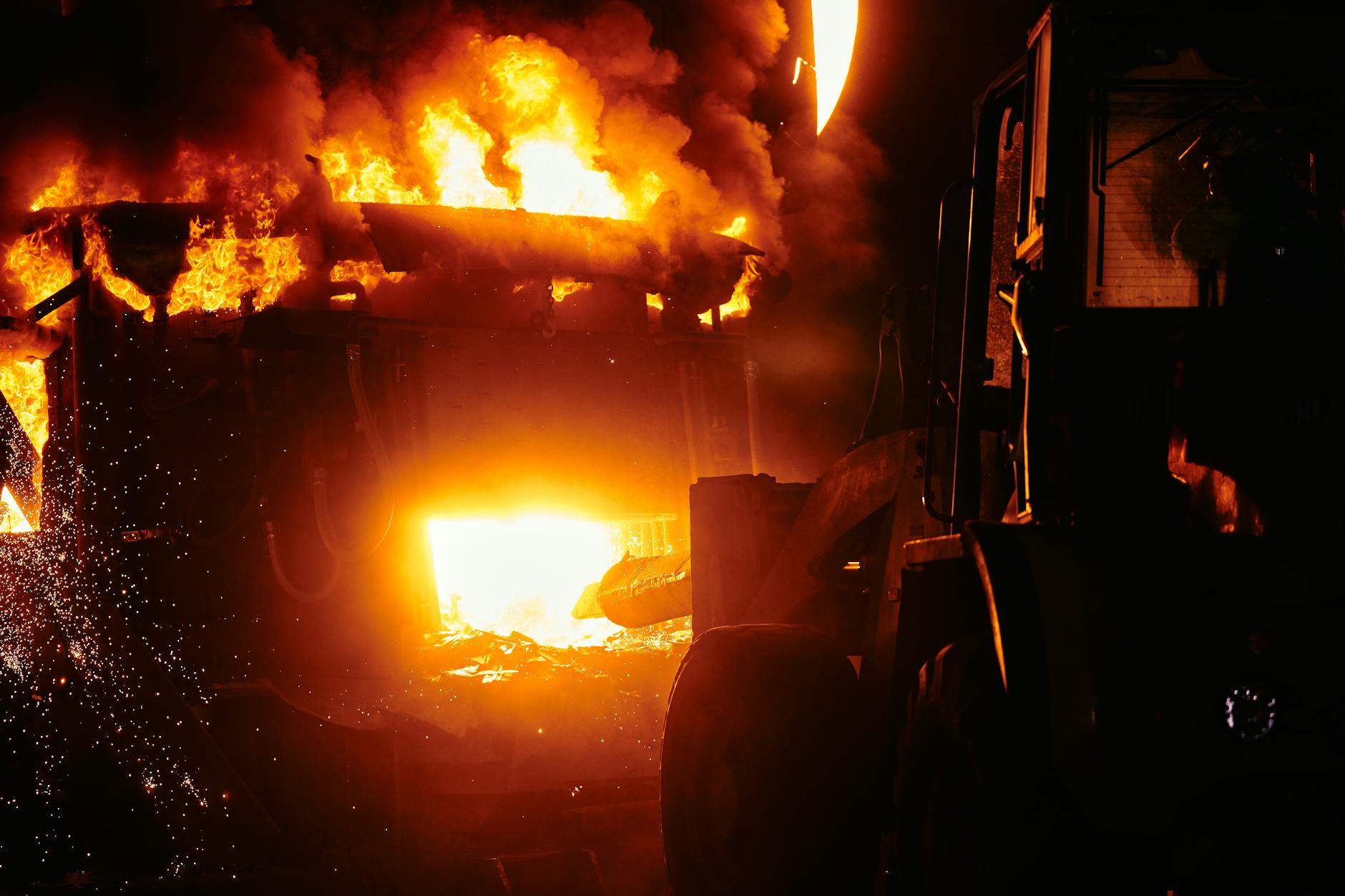
A massive fire erupted at a chemical processing facility in Houston’s industrial corridor early Tuesday morning, sending thick black smoke billowing across the city’s southeastern neighborhoods and forcing the immediate evacuation of thousands of residents. The blaze at the petrochemical complex began around 3:30 AM local time, with flames reaching heights of nearly 200 feet and creating a smoke plume visible from downtown Houston.
Emergency responders activated the city’s mass notification system, sending alerts to residents within a three-mile radius of the facility. The Harris County Office of Emergency Management ordered mandatory evacuations for approximately 15,000 people in the nearby communities of Deer Park, La Porte, and parts of Pasadena. Local authorities set up emergency shelters at three area schools and the George R. Brown Convention Center to accommodate displaced families.
Immediate Response and Containment Efforts
Houston Fire Department deployed more than 80 firefighters and specialized hazmat units to battle the industrial blaze. Fire Chief Samuel Peña reported that crews faced significant challenges due to the presence of volatile chemicals and petroleum products stored at the facility. The plant’s automatic suppression systems activated, but were quickly overwhelmed by the scale of the fire.
“We’re dealing with multiple types of chemical compounds, which requires a very strategic approach to suppression,” Peña explained during a morning press briefing. “Our priority is containing the fire and preventing it from spreading to adjacent storage tanks.”
The facility’s operator, which processes petrochemicals for plastic manufacturing, immediately shut down all operations and activated their emergency response protocol. Company officials worked closely with fire department hazmat specialists to identify the specific chemicals involved and determine the safest suppression methods.
Air quality monitoring stations detected elevated levels of particulate matter and volatile organic compounds in the immediate area. The Texas Commission on Environmental Quality deployed mobile monitoring units throughout the affected neighborhoods, with real-time air quality data being shared with health officials and the public.
Community Impact and Evacuation Procedures
The sudden evacuation created traffic congestion on major highways as residents fled the area. Interstate 610 and Highway 225 experienced significant delays, prompting the Texas Department of Transportation to open additional lanes and deploy traffic management crews.
Maria Rodriguez, a Deer Park resident, described the chaotic scene: “We woke up to sirens and saw the orange glow in the sky. The smell was overwhelming. We grabbed our kids and important documents and left immediately.” Many families reported difficulty breathing and eye irritation even several miles from the fire.
Local school districts canceled classes for the day in affected areas, while nearby hospitals activated their emergency preparedness plans. Memorial Hermann Southeast Hospital treated 23 people for respiratory symptoms and eye irritation, though no serious injuries were reported.

The American Red Cross established emergency shelters equipped with cots, meals, and basic necessities. Volunteers distributed masks and provided medical screening for evacuees showing signs of smoke inhalation. Pet-friendly shelters were also opened to accommodate families with animals.
The evacuation highlighted the vulnerability of communities near industrial facilities, similar to recent infrastructure emergencies like the major subway derailment in London that disrupted thousands of commuters. These incidents underscore the critical importance of emergency preparedness in urban areas.
Environmental and Health Concerns
Environmental scientists expressed concern about potential long-term impacts from the chemical fire. Dr. Jennifer Martinez, an environmental health specialist at Rice University, noted that fires involving petrochemicals can release numerous toxic compounds into the atmosphere.
“The immediate health risks include respiratory irritation and potential exposure to benzene and other volatile organic compounds,” Martinez explained. “Long-term monitoring will be essential to assess any lingering environmental contamination.”
The Environmental Protection Agency dispatched a team of specialists to assess air and water quality in the region. Preliminary testing showed elevated levels of several chemical compounds, though officials stated that levels remained below immediately dangerous thresholds for areas outside the evacuation zone.
Local waterways, including the Houston Ship Channel, were monitored for potential contamination from firefighting foam and runoff. The Coast Guard deployed containment booms as a precautionary measure, though no significant water contamination was detected in initial tests.
Wildlife officials began assessing potential impacts on local ecosystems, particularly the nearby wetland areas that serve as habitat for migratory birds. The timing of the incident, during peak migration season, raised additional environmental concerns.
Investigation and Industry Implications
Federal investigators from the Chemical Safety and Hazard Investigation Board arrived on scene to begin preliminary investigations into the cause of the fire. The facility had passed its most recent safety inspection six months ago, according to Occupational Safety and Health Administration records.

The incident reignites debates about industrial safety regulations and the proximity of chemical facilities to residential areas. Houston’s petrochemical corridor houses dozens of similar facilities, many built decades ago when surrounding areas were less populated.
Industry safety advocates called for enhanced monitoring systems and improved emergency response protocols. “This fire demonstrates the need for real-time chemical monitoring and faster evacuation procedures,” said Dr. Robert Chen from the Center for Chemical Process Safety.
The investigation will likely examine the facility’s maintenance records, safety protocols, and emergency response procedures. Similar industrial incidents have led to significant regulatory changes and improved safety standards across the petrochemical industry.
As firefighters continued battling the blaze into Tuesday evening, officials remained cautiously optimistic about containment efforts. The fire’s intensity had decreased significantly, and wind conditions were favorable for preventing further spread. However, complete extinguishment was expected to take several more days due to the complex nature of the chemical fire.
Residents in the evacuation zone will remain displaced until air quality improves and safety officials can ensure the area is secure. The incident serves as a stark reminder of the delicate balance between industrial operations and community safety in one of America’s largest petrochemical hubs.
Frequently Asked Questions
How many people were evacuated from the Houston chemical fire?
Approximately 15,000 residents were evacuated from a three-mile radius around the burning facility.
What caused the chemical plant fire in Houston?
The cause is still under investigation by federal safety officials and local authorities.