

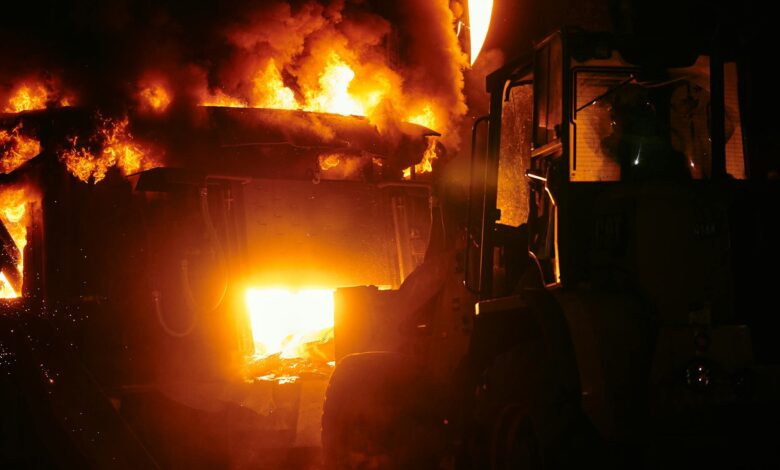
A massive explosion rocked a major oil pipeline in East Texas early this morning, sending towering flames hundreds of feet into the air and forcing emergency evacuations of nearby communities. The blast, which occurred along a critical energy transport route, has disrupted fuel supplies across the region and raised serious questions about pipeline safety infrastructure.
The explosion happened at approximately 3:47 AM local time near the town of Marshall, Texas, when a section of the 36-inch diameter pipeline carrying crude oil to Gulf Coast refineries ruptured and ignited. Emergency responders reported the fireball was visible from over 20 miles away, with the intense heat making it impossible for firefighters to approach the blaze for several hours.

Emergency Response and Evacuations
Local authorities immediately established a three-mile evacuation zone around the explosion site, affecting approximately 8,500 residents across four rural communities. Emergency management officials went door-to-door in the pre-dawn darkness, urging families to leave their homes as toxic smoke billowed across the countryside.
“We had maybe ten minutes to grab our kids and get out,” said Maria Rodriguez, whose family was evacuated from their farm just two miles from the blast site. “The whole sky was orange, and you could feel the heat even from that distance.”
The American Red Cross has set up emergency shelters at three local schools, providing temporary housing and meals for displaced families. Texas Governor Greg Abbott declared a state of emergency for Harrison County, mobilizing additional resources including specialized hazmat teams and air quality monitoring equipment.
Pipeline operator Energy Transfer Partners shut down the affected segment within minutes of the explosion, but officials estimate it will take at least 24 hours for the remaining oil in the damaged section to burn off completely. The company’s emergency response team is working alongside state and federal investigators to determine the cause of the rupture.
Environmental and Health Concerns
Air quality monitoring stations detected elevated levels of volatile organic compounds and particulate matter across a 15-mile radius from the explosion site. The Texas Commission on Environmental Quality issued health advisories for residents with respiratory conditions, particularly in areas where smoke plumes are most concentrated.
Environmental scientists are closely watching nearby waterways, including Cypress Creek and Marshall Lake, for potential contamination. While initial assessments show no immediate impact to water supplies, emergency crews have deployed containment booms as a precautionary measure.

Dr. Sarah Chen, an environmental health specialist at the University of Texas, explained the immediate health risks: “Crude oil combustion releases benzene, hydrogen sulfide, and other toxic compounds that can cause respiratory irritation, headaches, and nausea. People in the evacuation zone made the right choice by leaving quickly.”
The explosion has also impacted local wildlife, with reports of oil residue found on vegetation up to half a mile from the blast site. State wildlife officials are monitoring animal populations in the area, particularly migratory bird species that frequent the region’s wetlands.
Similar to recent infrastructure emergencies that have raised public safety concerns, this incident highlights the vulnerabilities in America’s aging pipeline network. The affected pipeline was constructed in 1967 and underwent its most recent comprehensive inspection just 18 months ago.
Economic Impact and Supply Chain Disruptions
The pipeline explosion has immediately affected fuel supplies across Texas and Louisiana, with several Gulf Coast refineries reporting reduced crude oil deliveries. Energy markets responded swiftly, with oil futures prices jumping 3.2% in early trading as investors assessed potential supply disruptions.
The damaged pipeline typically transports 300,000 barrels of crude oil daily from the Permian Basin to refineries in Port Arthur and Beaumont. Industry analysts estimate the shutdown could impact gasoline supplies across the Southeast if repairs extend beyond one week.
“This pipeline is a critical artery for moving West Texas crude to major refining centers,” explained petroleum analyst David Martinez. “Any extended outage will force suppliers to find alternative transportation methods, likely increasing costs that could eventually reach consumers at the pump.”
Local businesses are already feeling the economic impact, with truck stops and restaurants along major highways reporting decreased traffic as evacuation orders remain in effect. The nearby Marshall Municipal Airport temporarily suspended flights due to smoke and air quality concerns.

Investigation and Path Forward
Federal investigators from the Pipeline and Hazardous Materials Safety Administration arrived at the scene within hours of the explosion to begin their comprehensive investigation. Preliminary evidence suggests the rupture may have been caused by external corrosion, though officials stress it’s too early to determine definitive causes.
The investigation will examine multiple factors including pipeline maintenance records, recent ground disturbance activities, and weather conditions that may have contributed to the failure. Energy Transfer Partners faces potential penalties if investigators find violations of federal safety regulations.
This incident occurs as Congress debates infrastructure legislation that would allocate billions of dollars for pipeline safety improvements. Advocates argue that America’s 2.7 million miles of pipeline infrastructure require significant upgrades to prevent future catastrophic failures.
Emergency officials expect to begin allowing residents back to their homes within 48-72 hours, pending air quality improvements and completion of initial safety assessments. However, full restoration of pipeline operations could take several weeks as crews repair the damaged section and conduct extensive safety testing.
The explosion serves as a stark reminder of the critical balance between energy infrastructure needs and community safety, raising important questions about oversight and prevention measures as America continues to rely heavily on pipeline networks for fuel transportation.
Frequently Asked Questions
How many people were evacuated from the Texas pipeline explosion?
Approximately 8,500 residents were evacuated from a three-mile radius around the explosion site in East Texas.
What caused the pipeline explosion in Texas?
The cause is under investigation, though preliminary evidence suggests external corrosion may have contributed to the pipeline rupture.