
Major Cyberattack Targets European Banking Systems as Millions Unable to Access Accounts

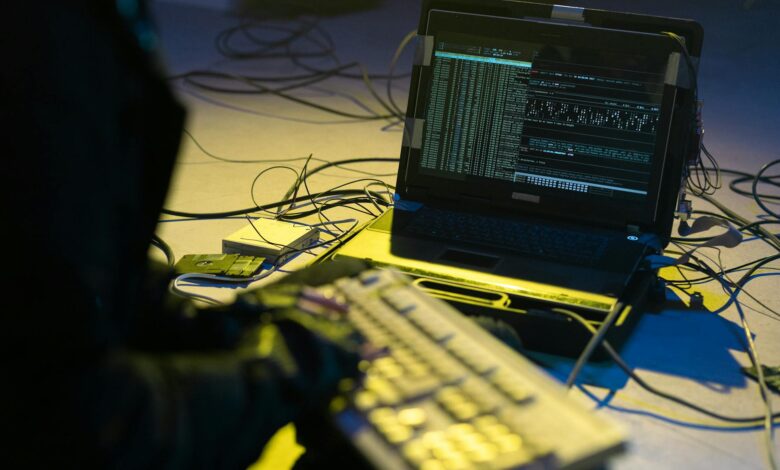
Banks across Europe scrambled to restore services after a sophisticated cyberattack crippled online and mobile banking systems, leaving millions of customers unable to access their accounts. The coordinated assault targeted critical infrastructure at major financial institutions in Germany, France, Italy, and the Netherlands, marking one of the largest banking cyber incidents in recent history.
Initial reports suggest the attack began during peak banking hours, with customers first noticing service disruptions around 9 AM local time. Within hours, the outages spread across multiple countries, affecting both retail and commercial banking operations. Security experts describe the attack as highly sophisticated, utilizing advanced persistent threat techniques to penetrate multiple banking networks simultaneously.
Scale of the Attack Emerges
European banking authorities confirm that at least twelve major financial institutions suffered varying degrees of service disruption. Deutsche Bank, BNP Paribas, and ING reported significant outages affecting their digital platforms, while several smaller regional banks experienced complete system shutdowns.
The attack appears to have targeted core banking infrastructure rather than customer data directly, focusing on disrupting operations rather than stealing information. This tactical approach differs significantly from recent data breaches that prioritized information theft, suggesting the attackers aimed to cause maximum operational chaos.
Customer impact has been severe, with millions unable to complete transactions, check balances, or access online banking services. ATM networks in affected regions experienced intermittent failures, though most physical branch locations remained operational with manual processing capabilities.
Emergency response teams at affected banks worked through the night to restore critical services. Several institutions implemented contingency protocols, extending branch hours and deploying additional staff to handle the surge in customers seeking in-person assistance.
International Response and Investigation
The European Central Bank activated its crisis management protocols, coordinating with national banking supervisors across affected countries. Cybersecurity agencies including Germany’s Federal Office for Information Security and France’s National Cybersecurity Agency launched joint investigations to identify the attack’s source and methodology.
Intelligence officials report early evidence suggesting state-sponsored actors may be responsible, though formal attribution remains ongoing. The attack’s coordination across multiple countries and sophisticated evasion techniques point to advanced capabilities typically associated with nation-state cybercriminal groups.
European Union cybersecurity frameworks, established following previous critical infrastructure attacks, enabled rapid information sharing between affected institutions and government agencies. This coordinated response helped contain the attack’s spread and prevented additional banking systems from falling victim to the assault.
Financial regulators implemented temporary measures to maintain market stability, including extended settlement periods for affected transactions and emergency liquidity provisions for institutions experiencing operational difficulties. Stock markets across Europe showed initial volatility but remained stable as investors assessed the attack’s economic impact.
Recovery Efforts and Security Measures
Banking executives report significant progress in restoring services, with most major institutions achieving partial functionality within 48 hours of the initial attack. However, full system restoration is expected to take several additional days as security teams implement enhanced protection measures.
The incident has accelerated discussions about strengthening cybersecurity requirements for critical financial infrastructure. European banking regulators are considering mandatory upgrades to existing security protocols and increased investment in cyber defense capabilities.
Industry analysts note this attack’s timing coincides with increased geopolitical tensions and growing concerns about critical infrastructure vulnerability. Similar incidents targeting energy and transportation systems have highlighted the need for comprehensive cybersecurity strategies across all essential services sectors.
Major technology firms specializing in cybersecurity have deployed emergency response teams to assist affected banks. These partnerships demonstrate the private sector’s role in defending critical infrastructure against increasingly sophisticated cyber threats.

Looking Ahead
The European banking sector faces a period of enhanced security vigilance as institutions implement lessons learned from this unprecedented attack. Cybersecurity experts predict increased investment in defensive technologies and expanded cooperation between financial institutions and government agencies.
This incident serves as a stark reminder of modern banking’s dependence on digital infrastructure and the potential consequences when these systems face coordinated attacks. As recovery efforts continue, the focus shifts toward preventing future incidents and strengthening the resilience of Europe’s financial ecosystem against evolving cyber threats.
The attack’s resolution will likely influence global cybersecurity policies and banking regulations, as other regions examine their own vulnerabilities in light of Europe’s experience. Financial institutions worldwide are reassessing their cyber defense strategies, recognizing that today’s interconnected banking environment requires unprecedented levels of security cooperation and preparedness.
Frequently Asked Questions
Which European countries were affected by the banking cyberattack?
Germany, France, Italy, and the Netherlands experienced significant banking system disruptions from the coordinated attack.
How long did it take banks to restore services after the cyberattack?
Most major institutions achieved partial functionality within 48 hours, though full restoration took several additional days.