

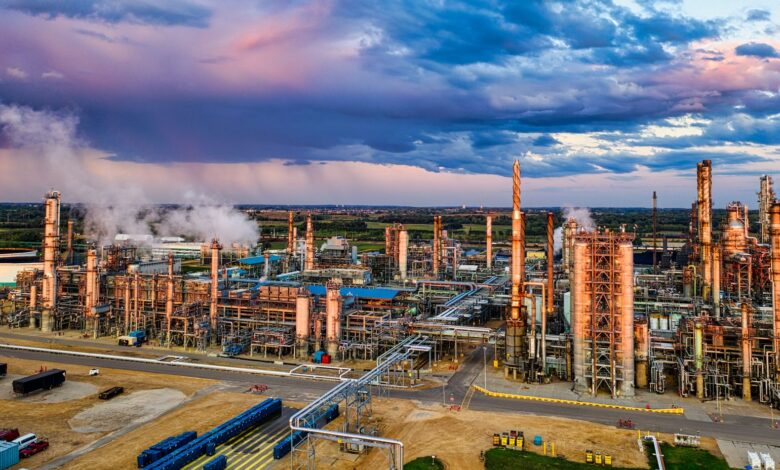
Saudi Aramco is pulling back on investment at a scale that signals something more than caution – it signals a company preparing for a prolonged period of lower oil prices, tighter margins, and growing pressure from shareholders who want returns, not ambition.
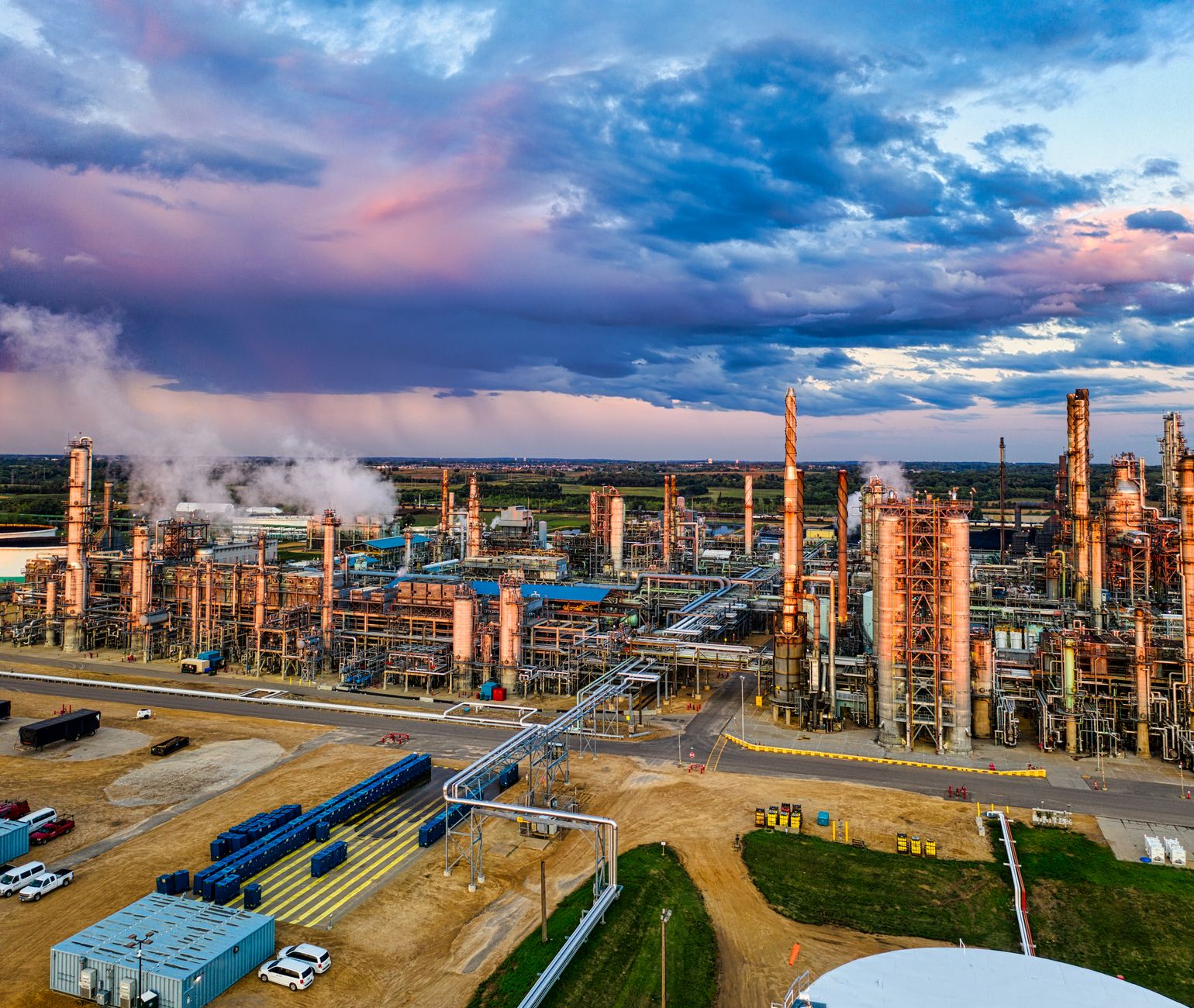
The Numbers Behind the Cutback
Aramco announced it would reduce its capital expenditure guidance, a move that follows a broader pattern among major oil producers reassessing their spending cycles after years of aggressive expansion. The company had previously set ambitious targets to grow production capacity, but those plans are now being scaled back in response to a market that has softened considerably over the past several months. Brent crude prices have struggled to hold above levels that justify large-scale upstream investment, and Aramco’s decision reflects that arithmetic directly.
The company reported a notable drop in net profit compared to recent peak years, driven by lower crude realizations and reduced production volumes under the OPEC+ output agreement. Aramco’s profits remain substantial by almost any corporate standard, but the trajectory is what concerns investors. A company that earned extraordinary windfalls during the 2022 price surge is now navigating a very different environment, and the response has been to tighten the capital budget rather than absorb lower returns quietly.
Capex for 2025 is now expected to come in at the lower end of a previously stated range, with the company signaling that this more conservative posture could extend into subsequent years depending on market conditions. That kind of multi-year signal carries weight. It tells contractors, suppliers, and joint venture partners that the era of open-ended project greenlight approvals is pausing. The downstream and diversification projects that were meant to reduce Aramco’s dependence on crude oil prices are now being prioritized more selectively.
Aramco’s dividend commitments add another layer of pressure to the spending equation. The company pays both a base dividend and a performance-linked dividend, and the Saudi government – which owns the overwhelming majority of the company – depends on those payments to fund national spending priorities. Cutting capex is one way to protect the dividend without having to touch the payout directly. That calculus makes the spending reduction a financial decision as much as an operational one.
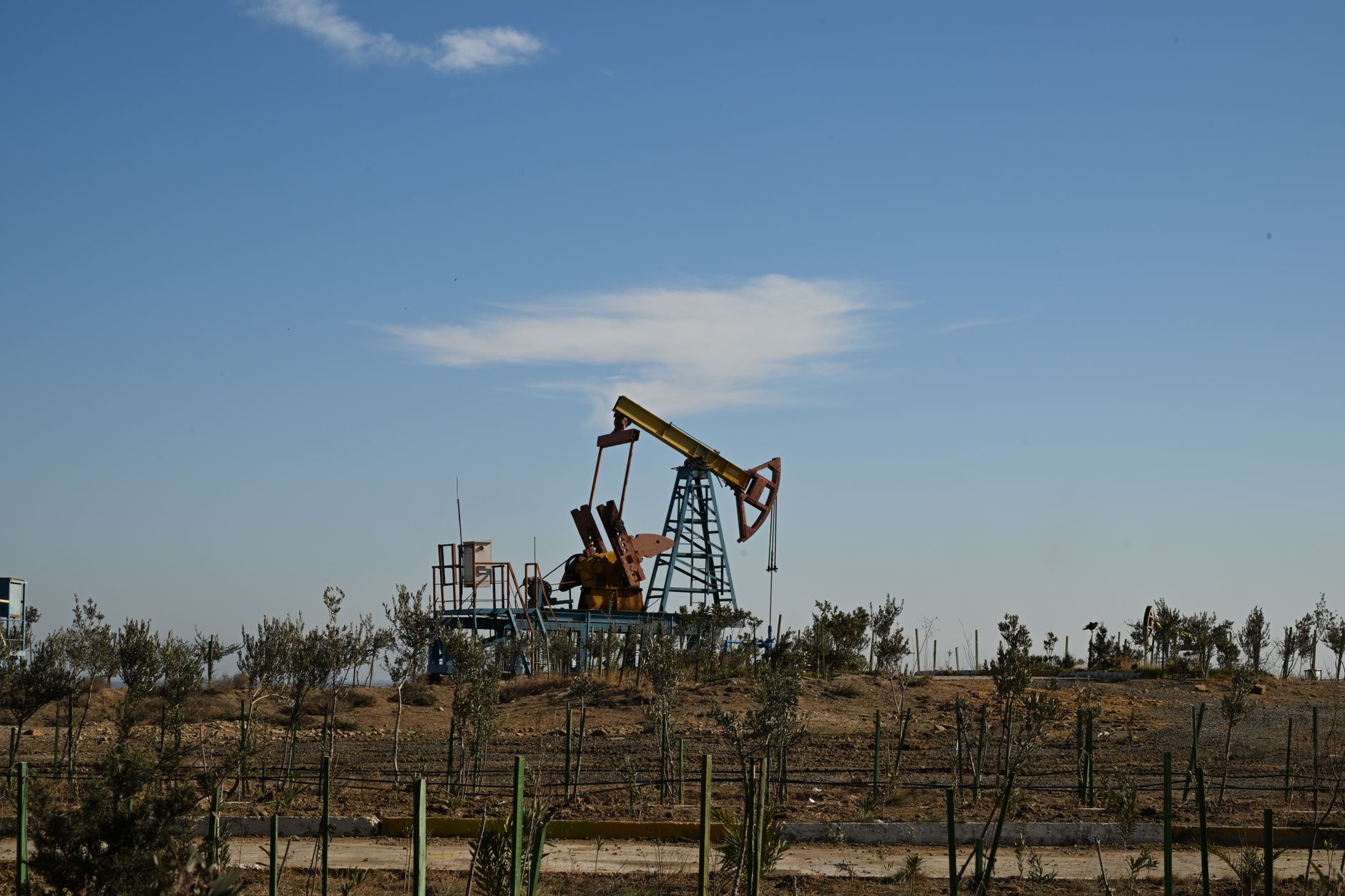
What a Darker Oil Outlook Actually Means
The phrase “darkening oil price outlook” is doing a lot of work right now. The factors behind it are layered and, in some cases, pulling in opposite directions. Global demand growth has slowed, particularly in China, where an economic recovery that was expected to drive fuel consumption has been more uneven than anticipated. At the same time, non-OPEC supply from the United States, Brazil, and Guyana has continued to grow, putting a structural ceiling on how high prices can rise before new barrels flood the market.
OPEC+ has tried to manage this through coordinated production cuts, but the coalition has shown visible strain. Several member countries have exceeded their agreed quotas, and the pressure to cheat on cuts intensifies when governments face fiscal deficits and oil is their primary revenue source. Saudi Arabia has repeatedly carried a disproportionate share of the voluntary cuts, which has cost it market share without producing a sustained price recovery. That tension has not been resolved, and it is a significant part of why Aramco is recalibrating its investment plans now rather than waiting for a clearer price signal.
There is also the longer-term demand picture to consider. The global push toward electric vehicles and energy efficiency is not an overnight story, but it is a directional one that oil companies can no longer treat as irrelevant to their planning horizons. Aramco’s leadership has publicly pushed back on aggressive peak demand timelines, arguing that oil will remain essential for decades. That may be true in aggregate, but it does not insulate the company from periods where short-term oversupply and weak demand combine to compress margins and justify pulling back on spending.
For context, Aramco’s production cost per barrel remains among the lowest of any major producer in the world, which gives it a competitive buffer that other national oil companies and most international independents simply do not have. Even at oil prices that would cause genuine distress elsewhere, Aramco continues to generate positive cash flow from operations. The cutbacks, then, are not a survival response – they are a disciplined response to a market that no longer rewards maximum investment at any price.
What changes with lower capex is the pace of growth, not the foundation of the business. Aramco had been working toward a maximum sustained capacity target that would have positioned it to supply additional barrels if and when OPEC+ agreed to unwind cuts. Slowing that investment means the company will take longer to reach that target, or may quietly revise it downward. Either way, it reduces the urgency of projects that were predicated on a more bullish price forecast than the current market supports.
How Suppliers and Partners Will Feel It
The ripple effects of Aramco’s capex reduction reach well beyond the company’s own balance sheet. Engineering, procurement, and construction firms that have built significant portions of their business around Saudi Arabia’s oil infrastructure now face the prospect of fewer contract awards and longer gaps between project cycles. Oilfield services companies, drilling contractors, and specialist equipment suppliers all tune their capacity planning to what the major producers signal about their spending intentions. When Aramco tightens, the message travels fast through the supply chain.

Saudi Arabia’s Vision 2030 agenda, which aims to diversify the national economy away from oil revenues, creates an interesting contradiction here. The government needs Aramco’s dividends to fund that diversification, but lower oil prices reduce the pool of capital available to invest in both the company and the country’s broader ambitions. The spending cut is a short-term protection of cash flow, but it also underscores how much the diversification plan still depends on the very commodity it is trying to move away from. That dependency does not disappear simply because a strategic plan says it should.