

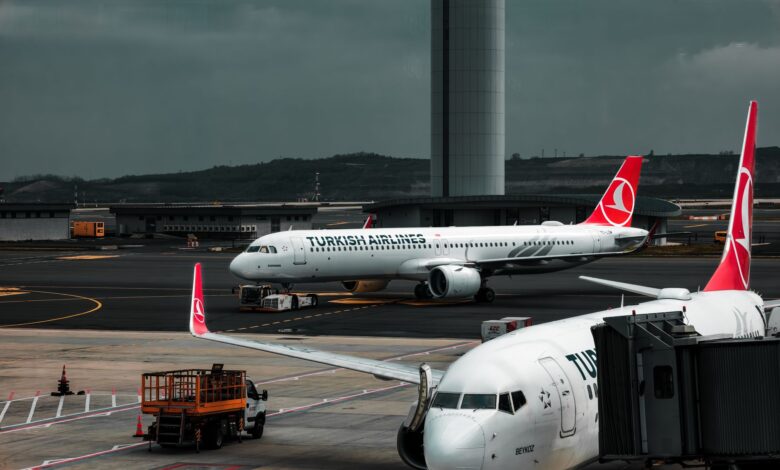
A production cap is a blunt instrument, which is why it has lasted so long. In January 2024 a door plug blew out of an Alaska Airlines 737 MAX 9 in flight. The FAA responded by limiting Boeing’s 737 MAX output to 38 aircraft a month. It did not ground an additional plane or ban a single route. It told the company to slow down until its factory could show it was building airplanes the way its own paperwork said it was. Boeing has spent the time since arguing, through quality fixes and steady pressure on regulators, that the line is ready to move faster.
The harder question is who gets to declare a factory fixed.
That question lands on the FAA as heavily as it lands on Boeing. The cap was the agency’s tool, so every decision to loosen it will be read as a judgment about Boeing’s discipline and about the regulator’s own. After the two 737 MAX crashes in 2018 and 2019, the FAA absorbed years of criticism for leaning too heavily on the manufacturer it was supposed to police. A second round of that criticism would sting more, because the agency can no longer claim it wasn’t warned. It would arrive over a rate increase approved too eagerly, with the door plug incident as the obvious precedent.
Why a Speed Limit Works as a Safety Test
The logic of a cap is simple. When a line runs slower, workers have more time per task, inspectors have more room to catch defects, and rework does not pile up at the end of the process. Raising the rate puts stress on every link at once: suppliers shipping fuselage sections, newly hired mechanics learning the work, and quality teams checking more aircraft in the same number of hours. A factory with hidden problems will tend to show them when the pace goes up. That makes the cap a penalty and also a diagnostic, a way of watching whether the system holds as the load increases.
Boeing’s incentives point the other way. Airlines pay for most of an aircraft when it is delivered, so every month spent below the target delays cash that the company badly wants. Suppliers have spent years sizing their own operations for higher volumes, and customers with long waiting lists keep asking when their planes will arrive. Boeing has pointed to improved quality measures and fewer defects found late in the process as evidence that it deserves more room. The FAA has allowed the rate to climb from 38 to 42 a month, and Boeing has talked openly about wanting to go higher still. Each step is presented as earned, but each is also a negotiation.
The weakness in this arrangement is that much of the evidence comes from Boeing. Quality metrics are chosen, collected and reported largely by the company that benefits from good numbers. The FAA can audit, and its audits of the 737 line after the door plug incident turned up numerous lapses in how Boeing followed its own procedures. But an audit is a sample, not a census. A regulator that sees only a slice of the factory must decide whether the slice represents the whole, and that is a judgment call no spreadsheet can settle.

The Regulator Inside the Dilemma
The FAA does not inspect every airplane, and it never has. Through a program that lets approved company employees act on the agency’s behalf, Boeing personnel perform many of the inspections and certification tasks that the FAA formally owns. The practical reason is staffing: the agency could not hire enough engineers to match the output of a manufacturer this size. Reforms after the MAX crashes aimed to insulate those employees from pressure by their managers, so that a person signing off on a safety item would not worry about the production schedule. The door plug episode raised an uncomfortable question about how well that insulation holds on a busy factory floor.
The agency also faces pressure from two directions at once. Airlines, suppliers and lawmakers focused on jobs and deliveries want the cap lifted. Safety advocates, families of crash victims and other members of Congress want proof that the factory has changed before it speeds up. No option is safe for the FAA. Keep the cap too long and the agency is accused of punishing a company that has done the work. Lift it too early and any new defect, even a minor one, becomes evidence that the regulator caved. Leadership turnover at the agency adds to the strain, since each new set of decision-makers inherits a fight whose terms were set before they arrived.
The deeper problem is that the cap is the most visible lever the FAA has between doing nothing and grounding a fleet, so rate decisions have become a stand-in for trust. That is a poor way to run oversight. A better test would rest on sustained quality data that is independently verified and shared publicly, so that a rate increase follows evidence the public can read instead of a private conclusion reached between the agency and the company. Without that, every move up from 38 will look like a negotiated settlement rather than a finding.

What Comes After the Cap
A cap is easy to impose and awkward to lift, because lifting it puts a signature on the decision. Each step up from 38 gives the FAA a share of ownership in whatever rolls off the line next, and the agency will not be able to say those airplanes belong to Boeing alone.