
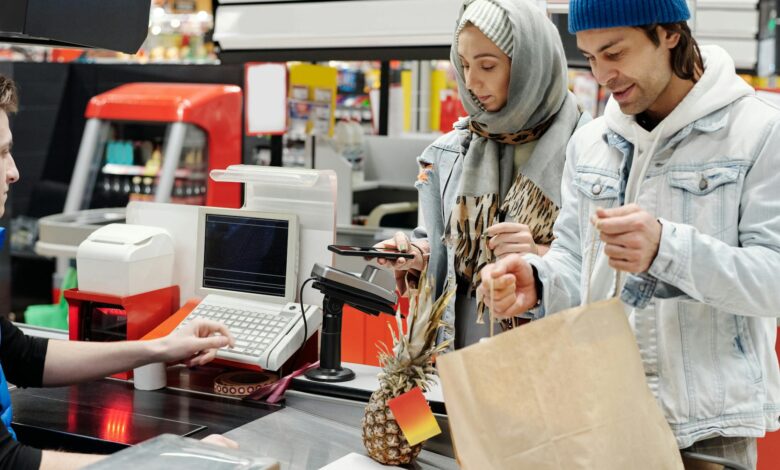
Walmart has quietly reversed its aggressive self-checkout expansion after mounting losses from customer theft reached unsustainable levels. The retail giant, which once viewed automated checkout systems as the future of efficient shopping, is now pulling back self-service kiosks from hundreds of locations nationwide.
The decision marks a significant shift for the world’s largest retailer, which had been steadily replacing cashier-operated lanes with self-checkout stations since 2019. Rising shrinkage rates – industry terminology for inventory loss due to theft and errors – have forced the company to reconsider whether the cost savings from reduced labor actually translate to improved profitability.
Theft Losses Outweigh Labor Savings
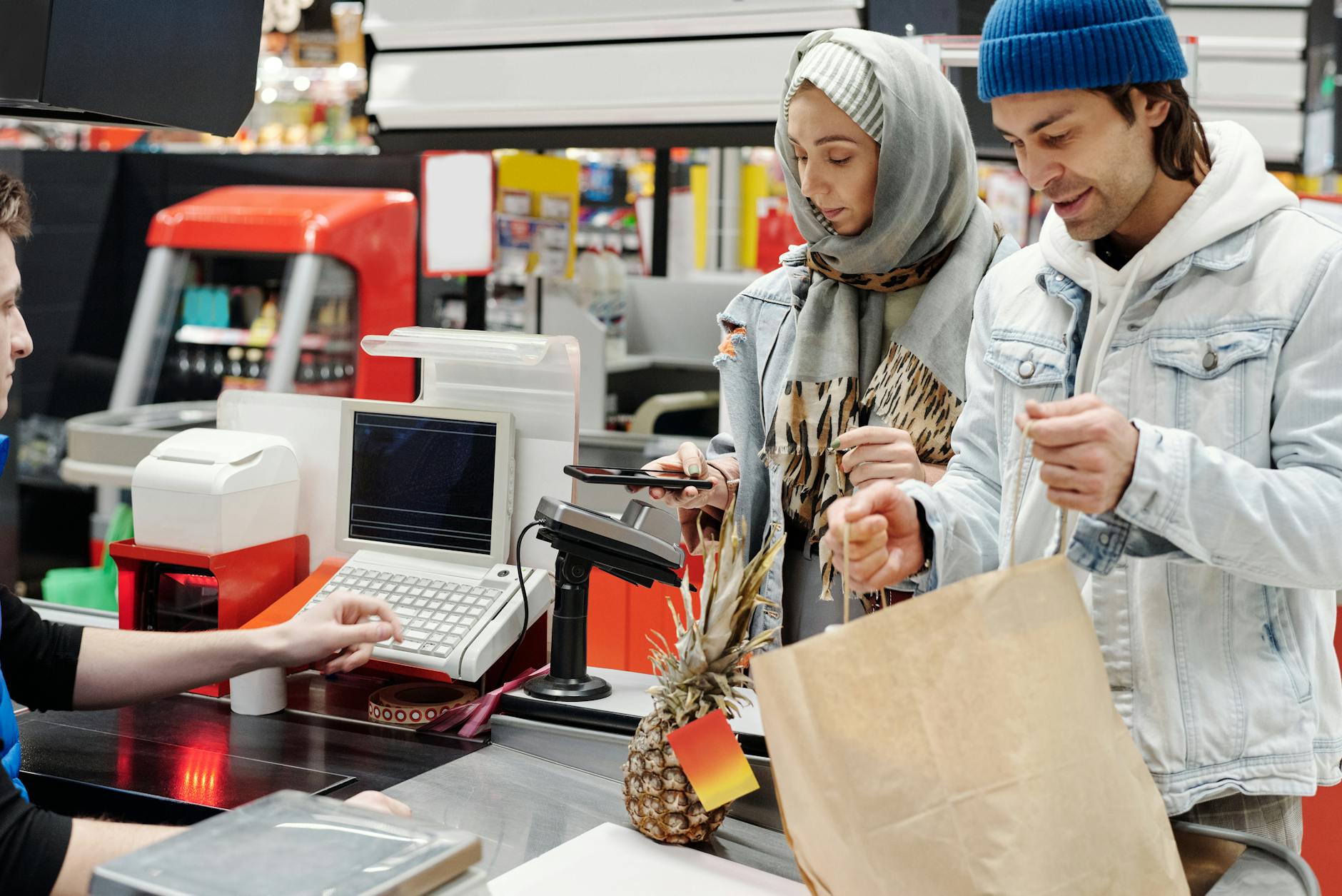
Self-checkout theft has evolved beyond simple scanning mistakes into sophisticated schemes that cost retailers billions annually. Customers have developed numerous techniques to avoid payment, from the “banana trick” – weighing expensive items as cheaper produce – to deliberate mis-scanning and outright walkouts during busy periods when oversight is minimal.
Walmart’s internal data reveals that stores with higher ratios of self-checkout stations experience shrinkage rates nearly double those of traditionally staffed locations. The company discovered that while self-checkout reduces immediate labor costs by approximately 15-20%, theft losses often exceed those savings by substantial margins.
The problem extends beyond intentional theft to include genuine scanning errors and customer confusion with the technology. Many shoppers struggle with weight sensors, barcode positioning, and age verification prompts, leading to incomplete transactions that register as inventory discrepancies.
Customer Experience Backlash
Beyond financial losses, Walmart has faced growing customer complaints about self-checkout experiences. Long wait times for assistance, machine malfunctions, and the perceived burden of performing unpaid labor have generated negative feedback across social media platforms and customer surveys.
The company found that stores heavily reliant on self-checkout often saw decreased customer satisfaction scores, particularly among older demographics who prefer human interaction during checkout. This dissatisfaction translated into reduced visit frequency and lower basket sizes among certain customer segments.
Strategic Pivot to Hybrid Model
Rather than abandoning automated checkout entirely, Walmart is implementing a hybrid approach that balances efficiency with loss prevention. The new strategy involves maintaining self-checkout stations for customers purchasing fewer items while ensuring adequate staffing for traditional lanes during peak hours.
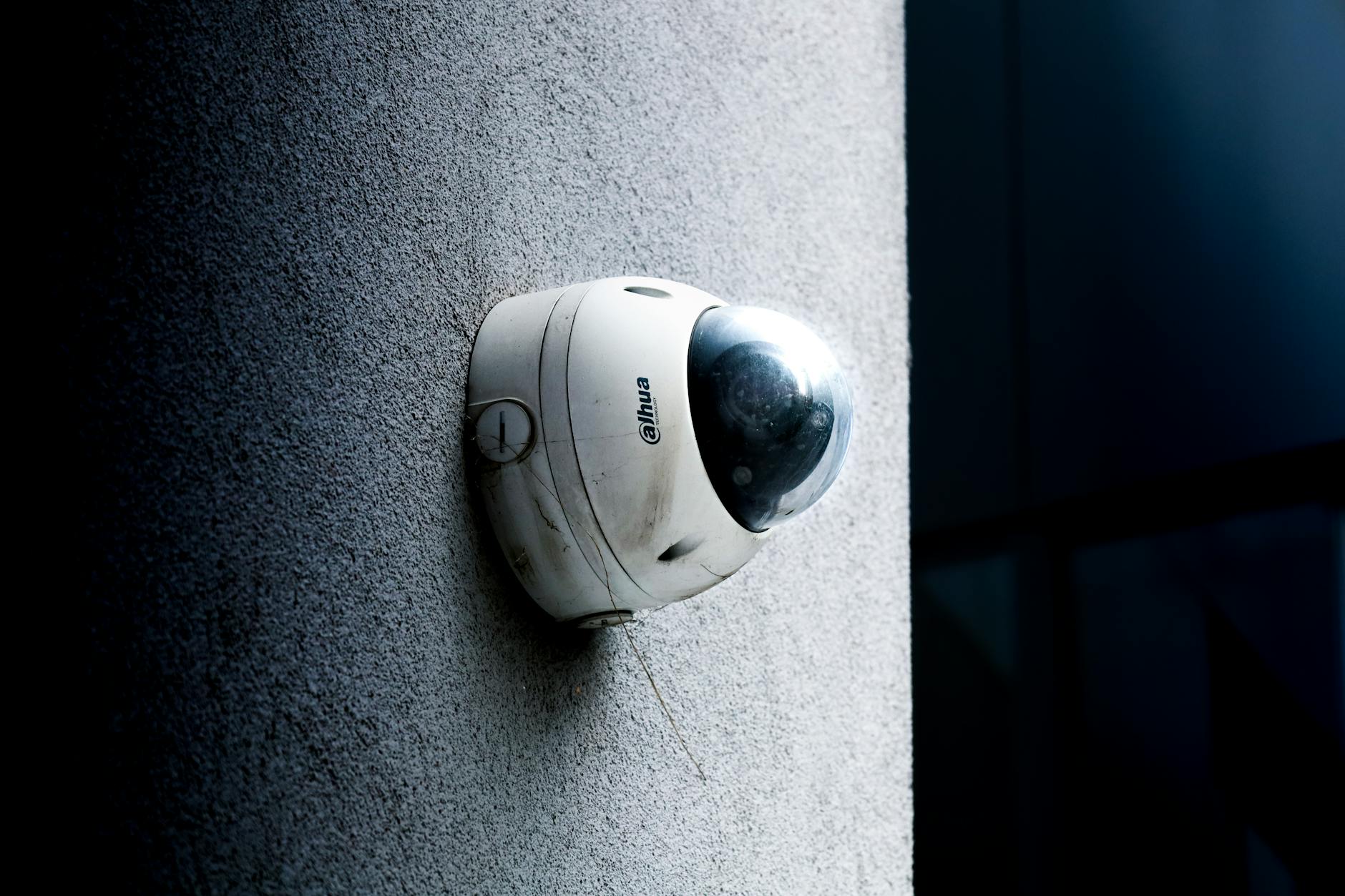
The company is also investing in enhanced surveillance technology, including AI-powered cameras that can detect scanning irregularities and alert store personnel in real-time. These systems analyze customer behavior patterns to identify potential theft attempts before they’re completed, though privacy advocates have raised concerns about the expanded monitoring.
Store layouts are being reconfigured to improve sight lines and reduce blind spots around self-checkout areas. Walmart is repositioning these stations closer to customer service desks and main traffic flows, making it harder for customers to complete transactions without oversight.
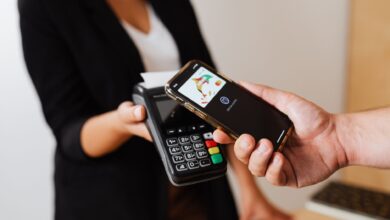
The retailer is simultaneously exploring alternative technologies, including smart shopping carts equipped with automatic scanning capabilities and mobile payment systems that allow customers to scan items while shopping. These solutions aim to maintain convenience while providing better transaction tracking than traditional self-checkout kiosks.
Walmart’s retreat from self-checkout expansion reflects broader retail industry recognition that automation alone cannot solve labor cost challenges. The company’s experience demonstrates that successful cost reduction requires balancing technological efficiency with practical considerations like theft prevention and customer preferences. Other major retailers are closely watching Walmart’s hybrid approach as they evaluate their own checkout strategies in an environment where shrinkage continues to erode already thin profit margins.