
Holiday Shipping Delays Hit Major Retailers as Winter Storm Disrupts Distribution Centers

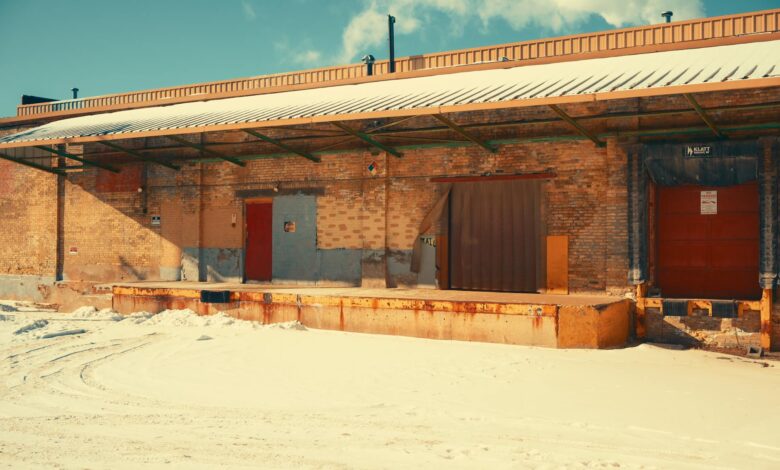
A powerful winter storm system sweeping across the Midwest and Northeast has forced major retailers to confront widespread shipping delays just as holiday shopping reaches its peak, creating bottlenecks that could extend into the new year.
Distribution Networks Under Pressure
The storm has shuttered key distribution hubs across multiple states, with facilities in Ohio, Pennsylvania, and Illinois experiencing power outages and transportation restrictions. These centers typically process millions of packages daily during the holiday rush, making their temporary closure particularly disruptive to supply chains already stretched thin by seasonal demand.
Ground transportation has taken the hardest hit, with Interstate 70 and Interstate 80 experiencing periodic closures that prevent trucks from reaching their destinations. Major shipping companies report that their delivery schedules have been pushed back by 24 to 48 hours in affected regions, though some rural areas may see delays extending into next week.
The timing couldn’t be worse for retailers banking on last-minute shoppers. December 19th traditionally marks the final cutoff for standard ground shipping to arrive before Christmas, but this year’s weather has effectively moved that deadline several days earlier for much of the country.
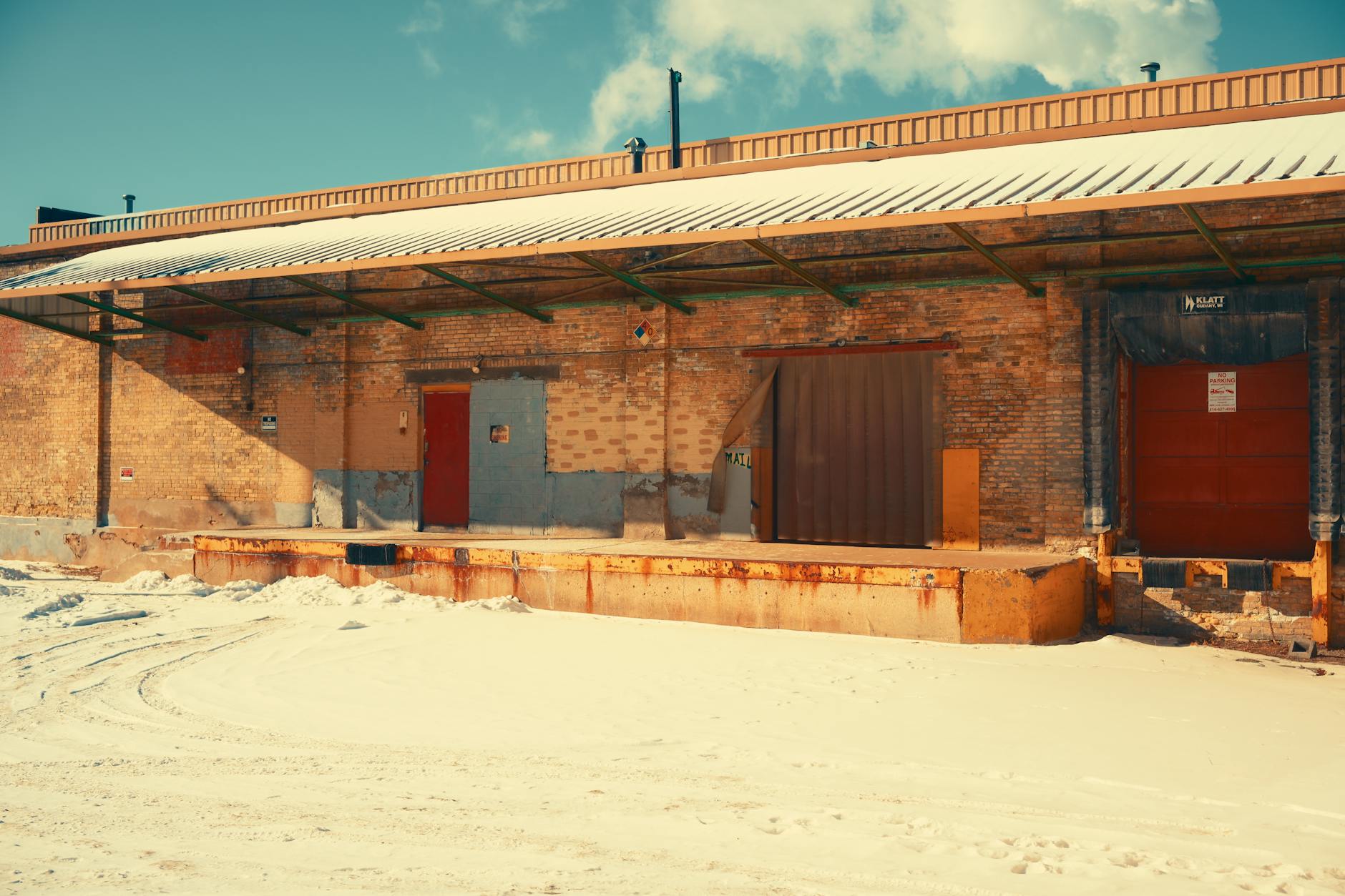
Warehouse operations face additional complications beyond simple closures. Even facilities that maintain power struggle with reduced staffing as workers cannot safely commute through hazardous conditions. Loading docks become impassable when snow accumulation exceeds clearing capacity, while freezing temperatures create equipment malfunctions that slow processing speeds.
Retailer Response Strategies
Major chains have activated emergency protocols designed for exactly this scenario, though the execution reveals how dependent modern retail has become on precise timing. Some companies are rerouting shipments through southern distribution centers, adding hundreds of miles to delivery routes but avoiding weather-related delays entirely.
The shift toward expedited shipping options has created its own problems. Air cargo capacity remains limited, and premium services that typically cost $15-20 are now priced at $40-50 per package as demand surges. Many retailers are absorbing these increased costs rather than passing them to customers, accepting reduced profit margins to maintain customer satisfaction during the crucial holiday period.
Store pickup programs have seen unexpected demand spikes as shoppers abandon home delivery altogether. Retailers with robust “buy online, pick up in store” systems report 60-70% increases in such orders over the past week. However, stores in storm-affected areas face their own challenges, with some locations operating on reduced hours or closing entirely during the worst weather.
Digital gift cards and downloadable content have emerged as de facto solutions for procrastinators. Gaming platforms, streaming services, and subscription boxes report significant sales increases as consumers pivot toward items that bypass physical shipping entirely. This trend may accelerate the retail industry’s ongoing shift toward digital and experiential gifts.
Small and medium-sized retailers lack the infrastructure advantages of their larger competitors, making them particularly vulnerable to weather-related disruptions. Independent businesses that rely on single distribution centers or limited shipping partnerships find themselves with fewer alternatives when their primary logistics networks fail.
Economic Ripple Effects
The delays extend beyond individual disappointed customers to broader economic implications. Retail analysts estimate that weather-related shipping disruptions during the final two weeks of December typically reduce holiday sales by 2-3% industry-wide, as consumers either delay purchases or abandon them entirely when delivery guarantees disappear.
Labor shortages in the logistics sector compound the weather-related challenges. Shipping companies that might normally add temporary workers to handle increased holiday volume instead operate with skeleton crews, as many seasonal employees prove unwilling to work in hazardous conditions for standard wages. Some companies offer premium pay rates during storm periods, but recruitment remains difficult when roads are impassable.