

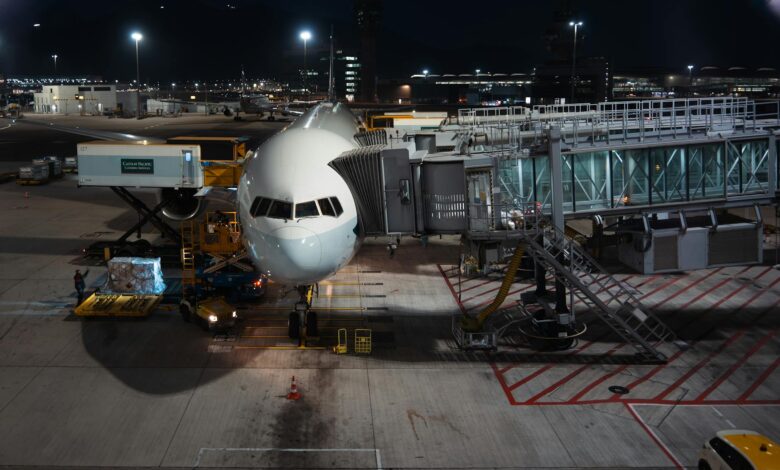
FedEx has launched electric aircraft trials across multiple domestic delivery routes, marking the company’s most aggressive push into sustainable aviation technology. The shipping giant is deploying battery-powered cargo planes manufactured by Eviation Aircraft on short-haul routes between distribution centers, targeting distances under 500 miles where electric propulsion offers clear operational advantages.
The pilot program covers routes in Texas, California, and the Northeast corridor, where FedEx handles high-volume package flows between major metropolitan areas. These electric planes carry roughly 2,500 pounds of cargo – equivalent to about 400 standard packages – while producing zero direct emissions and operating at significantly lower noise levels than traditional aircraft.
Technical Specifications Drive Route Selection
Each electric cargo aircraft features a 750-horsepower electric motor system powered by lithium-ion battery packs weighing approximately 3,800 pounds. The batteries provide enough energy for flights up to 400 miles with full cargo loads, though FedEx is initially limiting routes to 250-mile segments to maintain operational buffers.
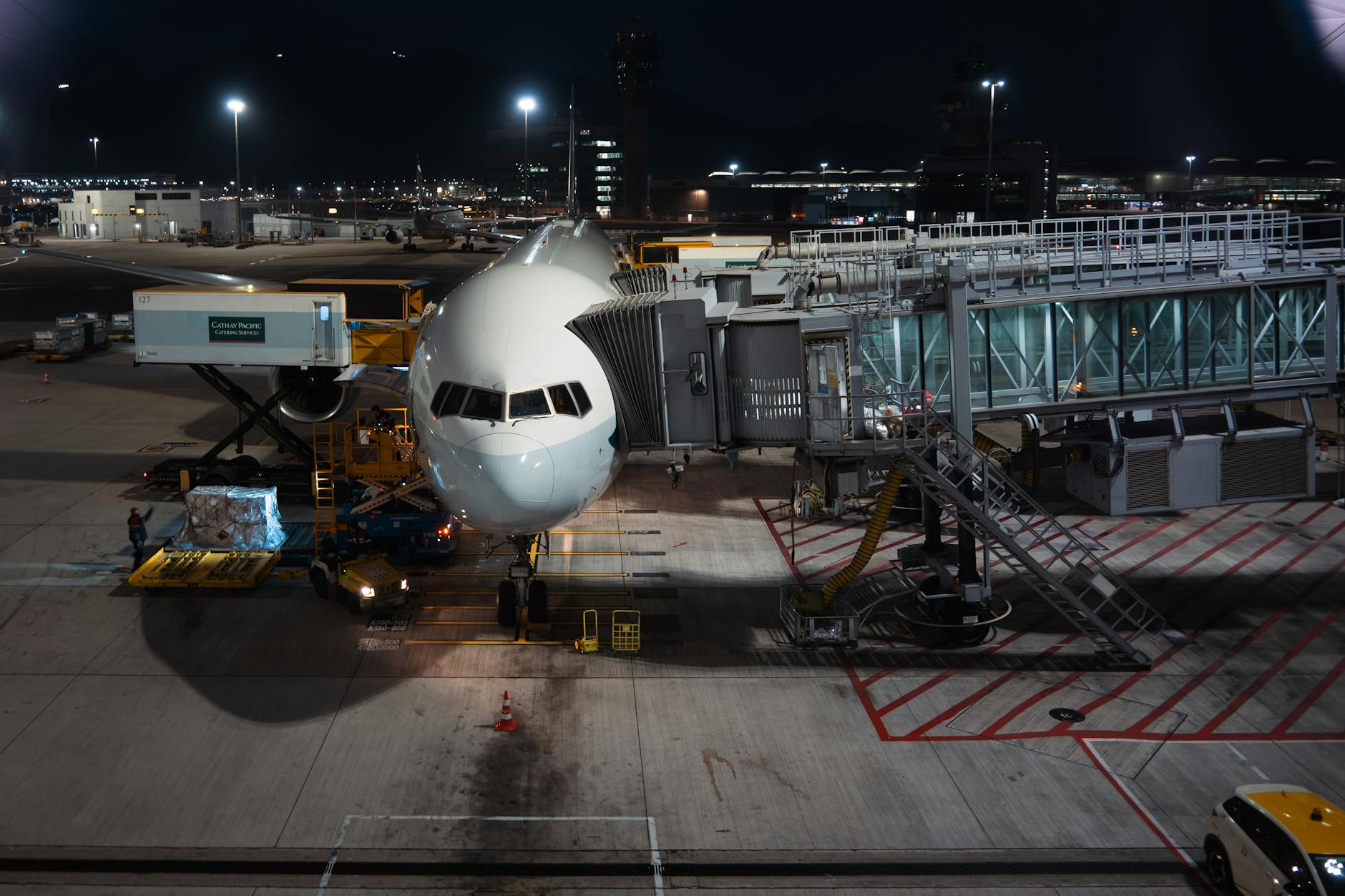
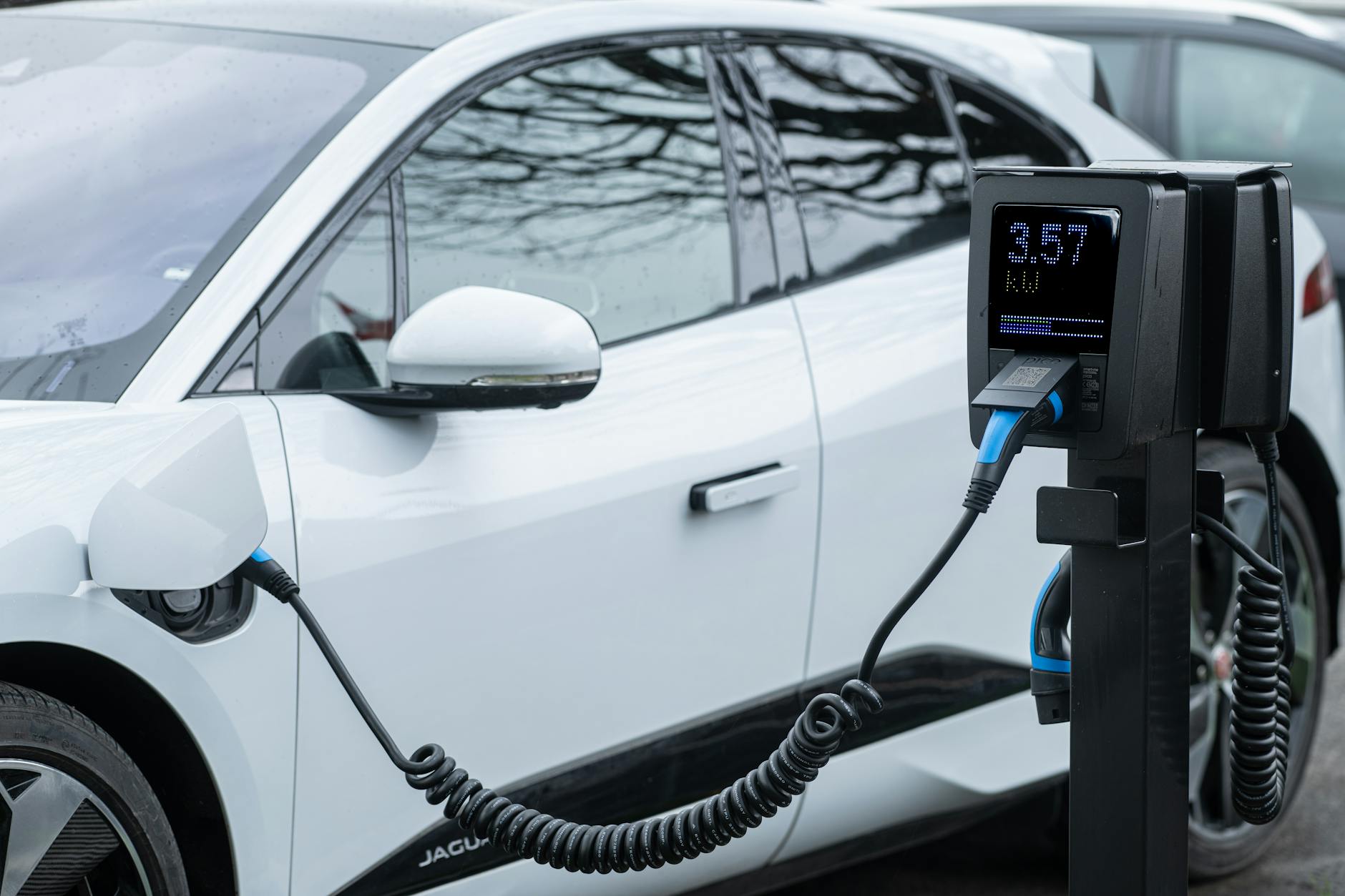
Charging infrastructure represents the most complex logistical challenge. FedEx has installed high-voltage charging stations at five distribution facilities, each capable of fully charging an aircraft battery system in 45 minutes. The charging stations draw power equivalent to roughly 200 homes during peak charging cycles.
Flight crews report substantially different operating characteristics compared to conventional turboprop aircraft. Electric motors provide instant torque and precise power control, while the absence of engine vibration reduces pilot fatigue during multiple daily flights between distribution centers.
Cost Analysis Reveals Mixed Economics
Operating costs per flight hour drop dramatically with electric propulsion – approximately 60% lower than comparable turboprop aircraft when factoring fuel savings and reduced maintenance requirements. Electric motors contain fewer moving parts and require less frequent service intervals.
However, the initial aircraft purchase price runs nearly triple that of conventional cargo planes. Each electric aircraft costs roughly $4.2 million compared to $1.6 million for similar-capacity turboprops, creating a significant capital investment barrier for fleet expansion.
Infrastructure and Regulatory Hurdles Shape Expansion Timeline
Federal Aviation Administration certification for commercial electric aircraft operations remains limited to specific route approvals and aircraft configurations. Each new route requires individual regulatory review, slowing the expansion of electric operations beyond current test corridors.
Weather conditions create unique operational constraints for electric aircraft. Cold temperatures reduce battery efficiency by up to 25%, while hot weather limits maximum cargo loads to prevent battery overheating. FedEx has adjusted flight schedules to avoid peak temperature periods during summer months.
Range limitations force fundamental changes to traditional hub-and-spoke logistics models. Instead of routing packages through major hubs hundreds of miles apart, electric aircraft operations favor point-to-point connections between smaller distribution centers. This shift requires rethinking decades of established logistics patterns.

Battery replacement costs present an unresolved long-term expense. Current lithium-ion systems require replacement after approximately 3,000 flight cycles, with each battery pack costing roughly $800,000. FedEx projects battery costs will drop 40% within five years as manufacturing scales increase, though this timeline depends heavily on broader electric vehicle adoption rates.
The company faces a fundamental decision point within the next 18 months: expand electric operations to additional routes or retreat to hybrid aircraft systems that combine electric motors with small backup generators. Pure battery-electric operations work best on predictable, high-frequency routes where charging infrastructure investments can be fully utilized across multiple daily flights.
Frequently Asked Questions
How far can FedEx electric cargo planes fly?
Current electric aircraft can fly up to 400 miles with full cargo loads, though FedEx limits initial routes to 250 miles for operational safety buffers.
How much cargo can electric planes carry?
Each electric cargo aircraft carries approximately 2,500 pounds of packages, equivalent to about 400 standard delivery packages per flight.