
Amazon warehouse workers in Bessemer, Alabama are launching their second attempt at unionization, filing paperwork with the National Labor Relations Board for a new election. The Retail, Wholesale and Department Store Union is spearheading this effort at the same fulfillment center where workers narrowly defeated a union drive in 2021.
The renewed push comes after the NLRB ordered a do-over of the original vote, citing Amazon’s interference in the election process. Federal labor officials found the company violated worker rights by installing a mailbox on warehouse property and pressuring employees to vote against the union during mandatory meetings.
Learning from Past Mistakes
Union organizers acknowledge their previous campaign faced significant headwinds beyond Amazon’s tactics. Worker turnover at the facility exceeded 100% annually, making it difficult to build lasting relationships with employees. Many temporary workers felt disconnected from permanent staff concerns about workplace conditions and benefits.
The new strategy focuses on bread-and-butter issues that resonate across different worker categories. Organizers are emphasizing safety concerns, mandatory overtime policies, and the company’s productivity tracking systems that monitor employees’ every move. These daily frustrations affect both temporary and permanent workers equally.
Amazon has responded by raising wages at the Bessemer facility and implementing new safety protocols. The company points to these improvements as evidence that formal union representation isn’t necessary for addressing worker concerns.
Broader Labor Movement Context
The Alabama vote represents more than a local labor dispute. Amazon has successfully defeated every unionization attempt at its US facilities, maintaining its non-union status despite employing over one million Americans. A union victory would create the company’s first organized workplace in the United States.
Corporate America is grappling with changing worker expectations, from flexible schedules to collective bargaining rights. The outcome in Bessemer could influence organizing efforts at other Amazon facilities and major retailers facing similar pressure.
Strategic Shifts and New Challenges
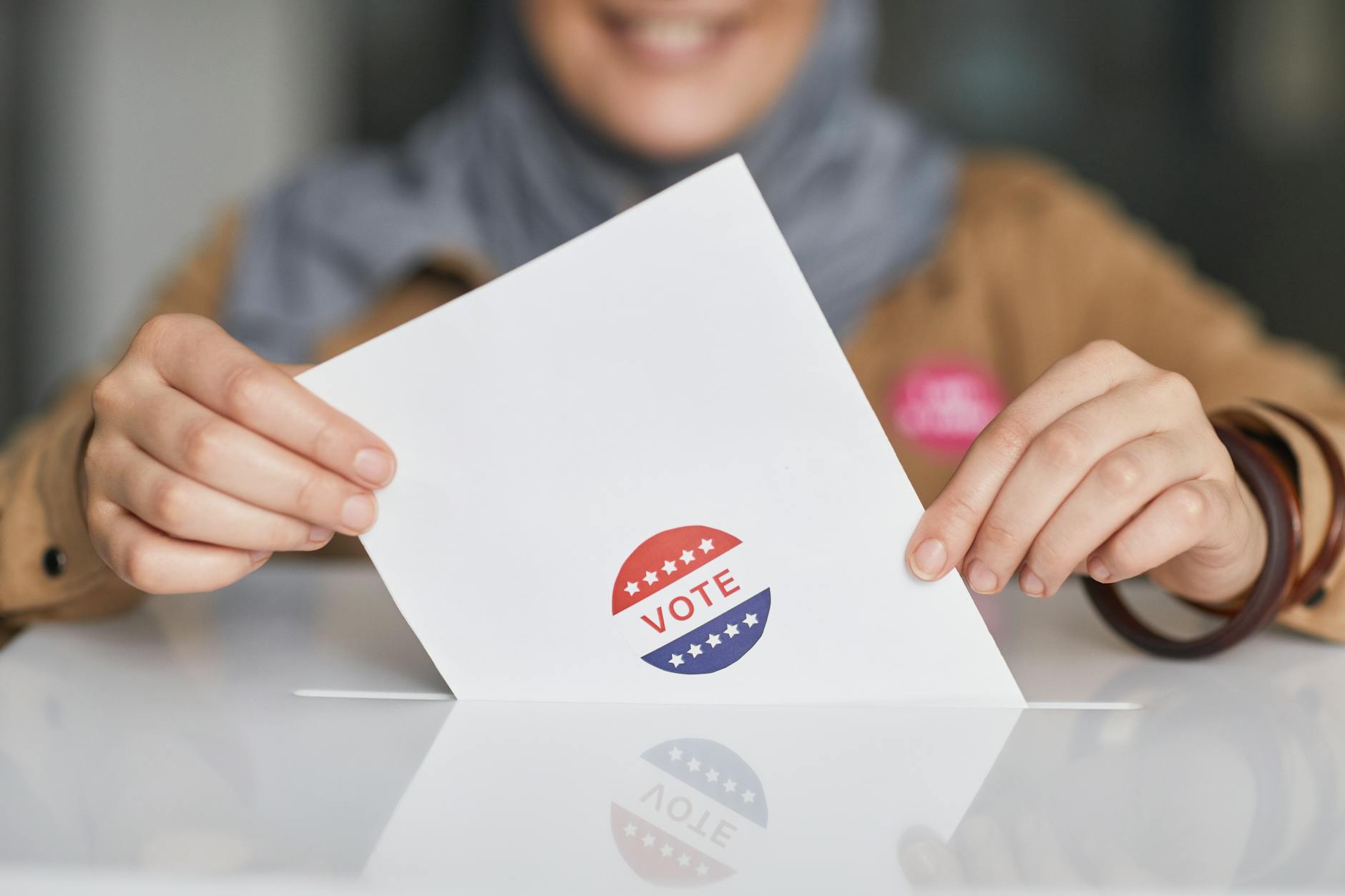
This second election operates under different rules than the first attempt. The NLRB will conduct the vote through mail-in ballots without Amazon’s controversial on-site mailbox. Union representatives will have greater access to workers during break times and shift changes, addressing previous complaints about limited organizing opportunities.
Amazon’s workforce demographics have also shifted since 2021. The facility now employs more permanent workers relative to temporary staff, potentially creating a more stable base for union support. However, the company has simultaneously increased wages and benefits, making the economic argument for unionization more complex.
The union faces the challenge of reaching workers who weren’t employed during the previous campaign. New hires may lack institutional memory of the workplace issues that drove the original organizing effort. Additionally, Amazon’s anti-union messaging has become more sophisticated, focusing on the costs of union dues rather than direct opposition to worker organizing.
Union organizers are also contending with Alabama’s right-to-work laws, which allow workers to opt out of paying union fees even if they benefit from collective bargaining agreements. This legal framework makes it harder to build the financial foundation necessary for sustained union operations.
The vote timing remains uncertain, with both sides preparing for a months-long campaign. Amazon has hired additional management staff and labor consultants, while the union is expanding its ground operation with organizers from other successful campaigns. The company’s recent struggles with workplace injuries and federal safety investigations may provide organizers with fresh ammunition for their arguments about the need for worker representation.