

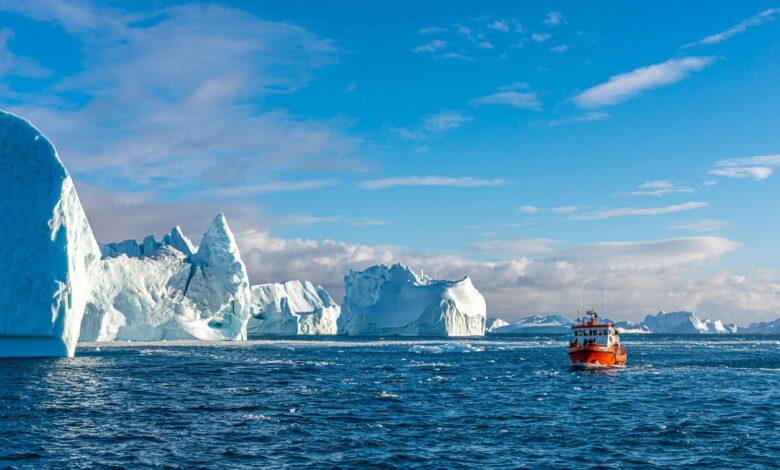
Turn a globe so the North Pole faces you and Greenland stops looking like a remote afterthought. The island sits between North America and Europe, directly on the shortest path that missiles, aircraft and, increasingly, cargo ships would take across the top of the world. That geometry explains why a territory of fewer than 60,000 people keeps drawing attention from capitals thousands of miles away.
Geography does not change, but attention does.
Washington has spoken openly about wanting greater influence over Greenland’s future, a theme that returned with force after Donald Trump’s return to the White House. He first floated the idea of buying the island in 2019. Copenhagen, which still handles Greenland’s foreign and defense policy, has answered with firm rejection and with new spending on Arctic security. Greenland’s own government has repeatedly said the island is not for sale and that decisions about its future belong to Greenlanders. The result is a three-way conversation in which each party is talking about the same ice sheet but often about different things: security, sovereignty and self-determination.
Why Military Planners Keep Looking North
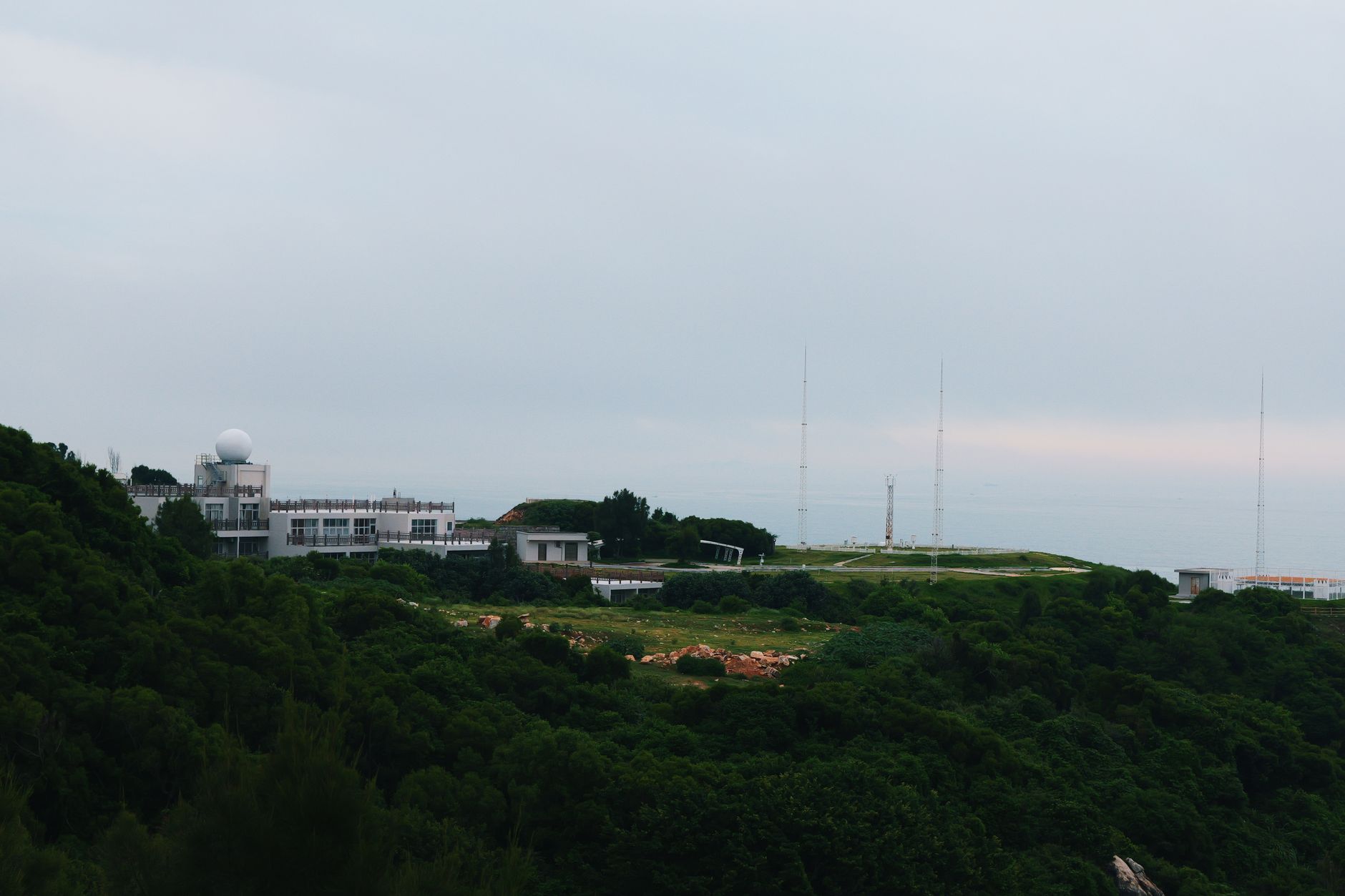
The most concrete American stake is Pituffik Space Base, formerly known as Thule Air Base, on the island’s northwest coast. It operates under a defense agreement that Washington and Copenhagen signed in 1951, and it is the northernmost U.S. military installation in the world. Its radar and space surveillance equipment give American commanders early warning of missiles launched over the Arctic, which is the quickest route between Russia and the continental United States. Offshore, the waters between Greenland, Iceland and the United Kingdom, known as the GIUK gap, form a naval chokepoint that NATO has watched for decades because Russian submarines must pass through it to reach the Atlantic. Control of that corridor is as much a Cold War inheritance as a modern concern.
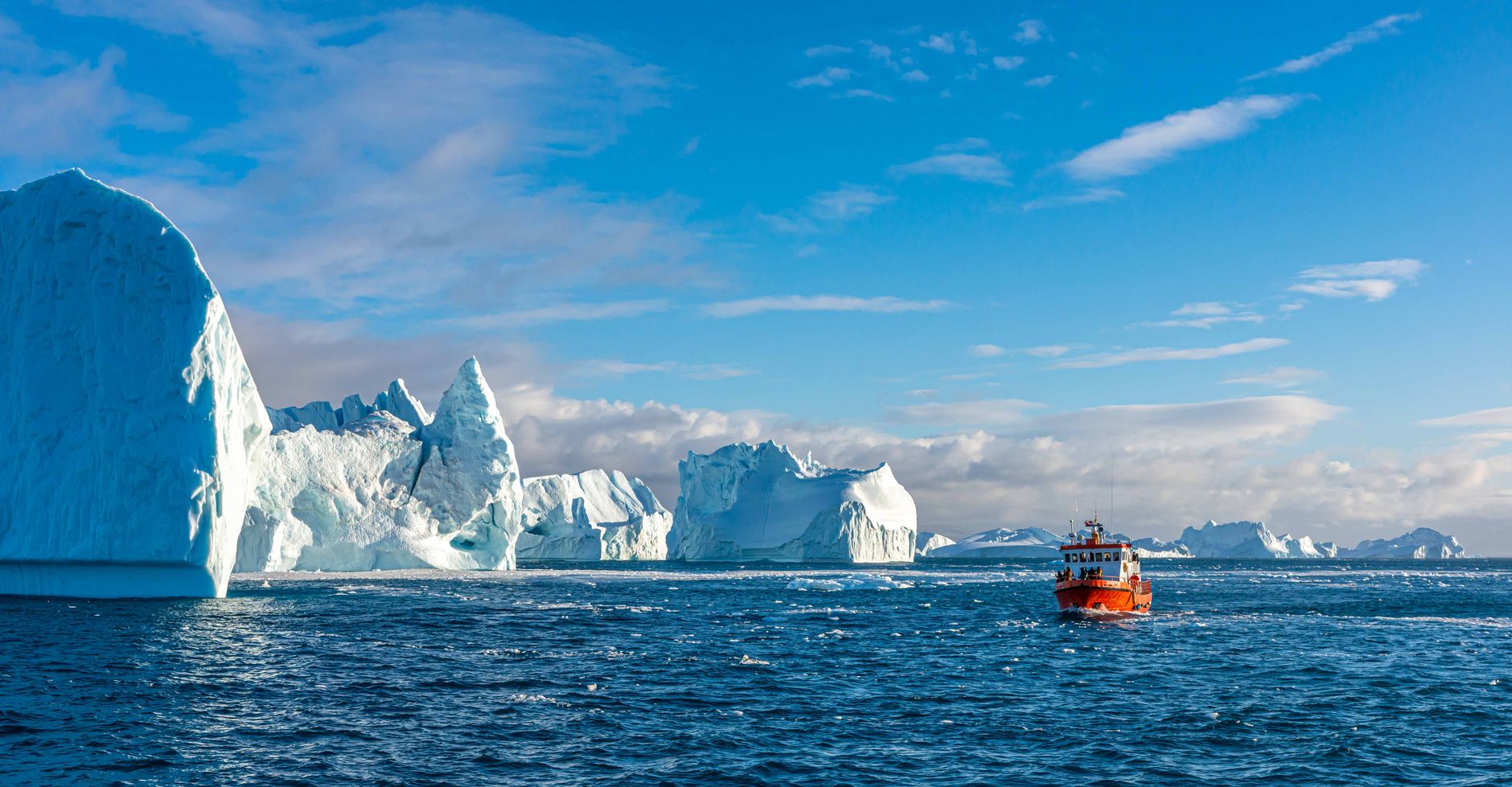
Melting sea ice adds a second layer. As Arctic waters open for longer stretches each year, shipping lanes along Russia’s northern coast and, over time, routes closer to Greenland become more usable. Moscow has rebuilt and expanded military facilities across its Arctic territory, and Beijing has described itself as a “near-Arctic state” while investing in polar research and shipping interests. Neither fact proves that either country has designs on Greenland. But military planners work from capabilities rather than stated intentions, and a thinly populated island with few ports, few roads and a small local defense presence looks like a gap on the map. Denmark’s own Arctic military resources have long been modest relative to the area it is responsible for, which is part of why Copenhagen has pledged to spend more.
Skeptics of the ownership idea point to an obvious problem: the United States already has broad access under the 1951 agreement, so what would purchase or annexation add? The answer lies in permanence. A defense pact can be renegotiated, and the politics of a self-governing island can shift, especially one with a recognized path to independence. Full control would remove that uncertainty, but it would also trade a stable alliance for a dispute with a NATO partner. That is a steep price for a base the United States can already use, and it is the main reason many European officials treat the proposal as self-defeating.
Minerals, Self-Rule and the Limits of Outside Pressure
Beneath the ice, Greenland holds deposits of rare earth elements, graphite and other minerals that modern batteries, wind turbines and defense electronics depend on. The prospect of reducing reliance on Chinese-dominated supply chains gives the island an economic pull that goes beyond radar and runways. Yet the gap between geological promise and working mines is wide. Extraction in Greenland means remote sites, harsh weather, scarce infrastructure and high costs, and no road connects the island’s towns. Politics has also shaped the outcome. A 2021 ban on uranium mining stalled one of the best-known rare earth projects, a reminder that Greenlandic voters and lawmakers have used their authority over resource policy and are willing to say no to investors.
That authority comes from the 2009 Self-Government Act, which gave Greenland control over most domestic matters and recognized its people’s right to decide on independence through a referendum. Most major political parties on the island favor independence eventually, but they disagree sharply about timing, in part because the economy leans heavily on fishing and on an annual block grant from Denmark. Any outside offer, whether from Washington or anyone else, lands in the middle of that argument. A proposal framed as a favor to Greenlanders is likely to be read as a bid to preempt their own choice, which helps explain why heavy public pressure from abroad has tended to harden local resistance rather than soften it.
Denmark occupies the most delicate seat at the table. It has to defend its sovereignty against talk of acquisition while accepting that Greenland’s future is ultimately Greenland’s to decide. It also carries a colonial record, including past policies that Danish officials have since apologized for, and trust between Nuuk and Copenhagen is not automatic. Danish leaders have responded by pairing public firmness with offers of more investment, more military presence and closer consultation with Greenlandic officials. Several European governments have publicly backed Denmark’s position, which turns what could have been a bilateral argument into a test of how NATO allies treat each other’s territory.
A Base, a Border and an Open Question
Pituffik’s radar still sweeps the northern sky every day under an agreement that is more than seven decades old and that neither government has needed to tear up, which raises the question Washington has yet to answer plainly: if the access it wants already exists, what exactly is the ownership for?