

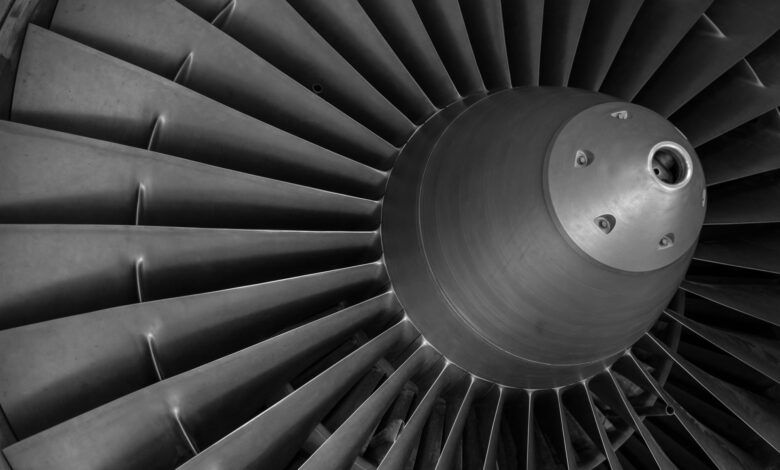
A finished airliner that cannot fly is an expensive kind of sculpture. Airbus has spent stretches of the past few years watching that image play out on its own apron, with fuselages joined, wings attached and cabins fitted, but nothing hanging under the wings. The industry has a blunt nickname for these jets: gliders.
The European planemaker’s problem is not a shortage of buyers. Its order book stretches years into the future, and airlines are still asking for more narrowbody capacity than anyone can build. What limits Airbus is the stream of parts that has to arrive on schedule at the final assembly line, and the engines at the center of that stream have been the least predictable piece.
Why Engines Became the Bottleneck
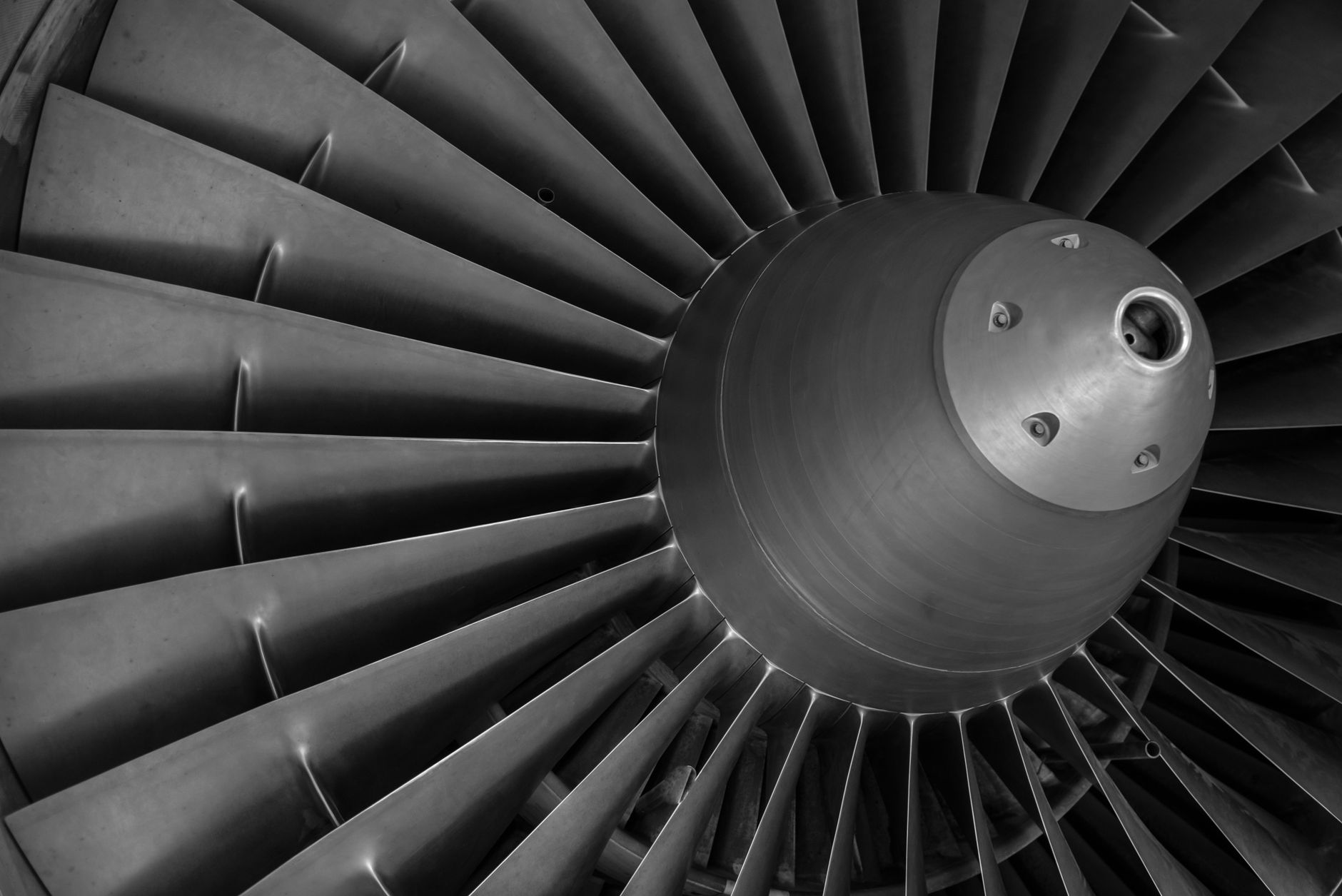
The A320neo family, Airbus’s best-selling line, offers airlines two engine choices: the Pratt & Whitney geared turbofan and the CFM International LEAP-1A. Both are newer designs built to burn less fuel, and both get there by running hotter and with tighter tolerances than the engines they replaced. That efficiency comes at a price. The materials are pushed harder, the manufacturing margin for error is thinner, and a flaw in a single component can ripple through an entire production line.
That is roughly what happened when a powder metal contamination problem forced inspections of Pratt & Whitney engines. Aircraft already in service had to come out of the fleet for checks, and those checks consumed shop capacity and spare parts that would otherwise have gone toward new engines. Airbus, as the customer waiting at the end of the queue, absorbed the delay.
The Cascade Beyond the Engine Pylon
Engine makers sit in the middle of a long chain. Above them are the foundries and forge shops that produce turbine blades, discs and casings from specialty alloys, and that supplier pool is small. There are only so many facilities in the world qualified to make those parts to aviation standards, and adding one takes years of certification, not months of construction. When one of them stumbles, nobody can simply place the same order with a competitor down the road.
The financial effect lands squarely on Airbus. Airlines and lessors pay the largest share of the purchase price when they take delivery, so a jet parked without engines is a jet that is not producing cash. Meanwhile Airbus has already paid for the airframe components, the labor and the factory space that went into it. Every glider is working capital sitting idle on a runway apron.
Engines are not the only constraint.
Cabin interiors, seats, lavatories and galley equipment have each caused their own headaches, and the aerostructures sector has struggled to rebuild a skilled workforce after years of thin hiring. Airbus has also set ambitious production-rate targets for the A320 family and the A350, which means every supplier has to scale up at once, and they do not all scale at the same speed. A plane is only as complete as its slowest part, so a late set of seats can hold up a delivery just as effectively as a late engine. The result is a game of whack-a-mole in which fixing one shortage tends to expose the next one, and Airbus planners spend their days deciding which unfinished aircraft gets the next available component.

What Airlines Are Living With
For carriers, a late delivery is more than an inconvenience on a spreadsheet. Fleet plans are built around specific aircraft arriving in specific months, with routes, crew schedules and summer timetables stacked on top. When the jet does not show up, the airline either trims capacity or keeps an older aircraft flying, and older aircraft usually cost more to maintain and burn more fuel per seat. The trade-off between fuel costs and demand is already a live debate in boardrooms, as airlines weigh fuel costs against surging demand for premium cabins, and delayed deliveries tilt that equation in the wrong direction.
Lessors are in a different position. Tight supply makes existing aircraft more valuable, and lease rates for in-demand narrowbodies reflect that. An airline that cannot get a new jet from the manufacturer will often pay a premium to extend a lease on an aging one, which quietly moves money from carriers to the companies that own the metal.
The Rivalry Angle
On paper, Boeing’s own troubles should have handed Airbus an easy win. Boeing has been dealing with regulatory scrutiny and limits on how fast it can build, a standoff covered in Boeing’s production cap fight and the pressure on the FAA’s oversight role. Customers frustrated by one manufacturer would naturally turn to the other. The trouble is that Airbus cannot absorb them. A rival’s stumble only helps if you have aircraft to sell, and Airbus is already sold out for years.
That leaves Airbus working the levers that are actually within reach. It can send its own engineers and quality staff into supplier plants, push for more transparent production forecasts, and help finance supplier expansion. It can also rework its delivery schedule so that the aircraft most likely to be completed get priority, rather than promising dates that engine makers cannot support. None of these moves produces a quick fix, because the underlying capacity in forgings and castings cannot be conjured on demand.
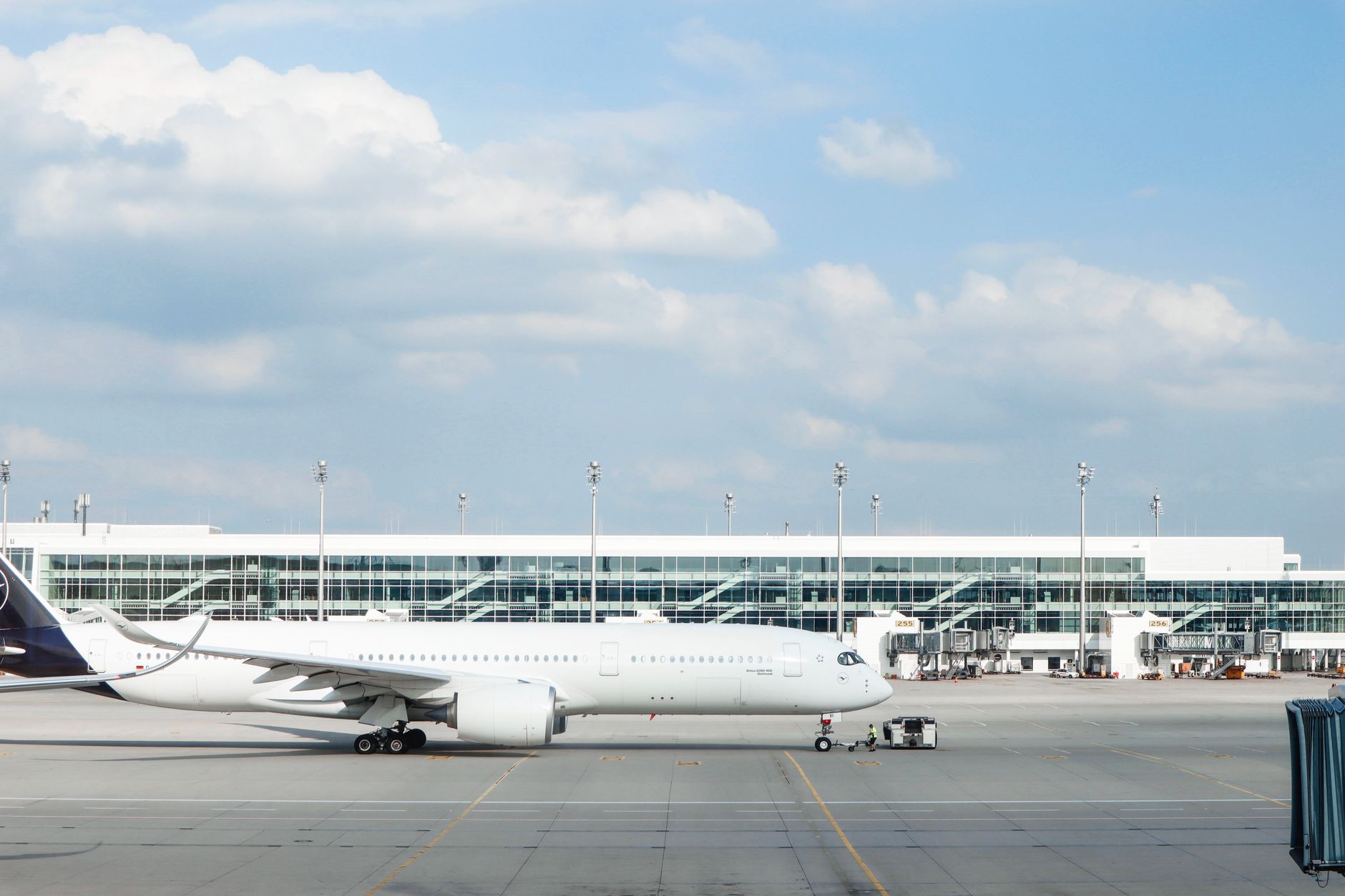
The harder question is what an order is worth when the delivery date is a guess. Airlines sign contracts for slots, and a slot is only valuable if the date printed on it holds. Every month an A320neo sits waiting for an engine, the airline that ordered it is quietly rebuilding its fleet plan around the possibility that the date will slip again.