
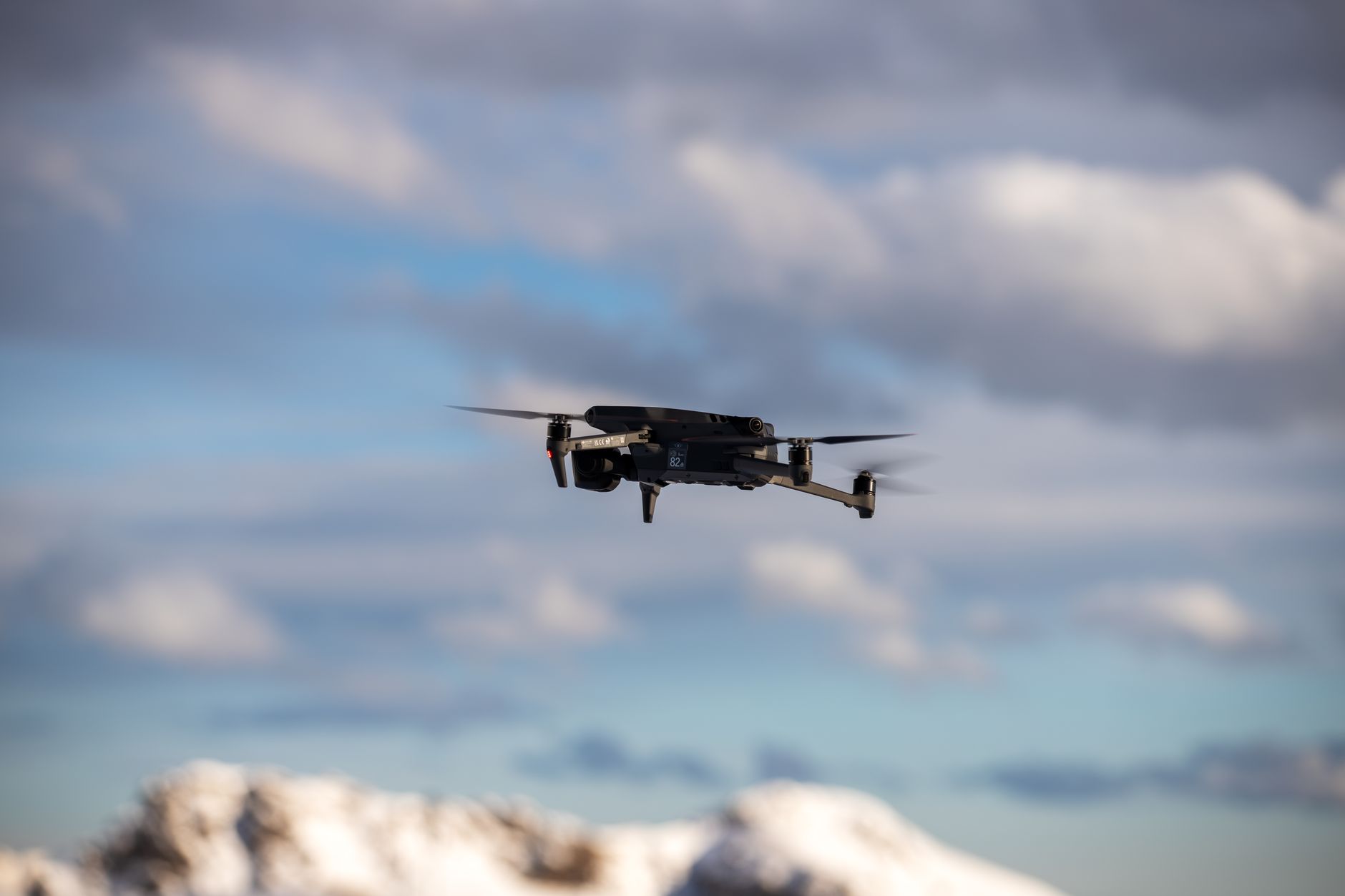
What stands between a customer and a bag of groceries in under 30 minutes? Mostly a driver, a van, a parking spot and a red light. Drone delivery removes all four, and Walmart is betting that the aircraft can launch from the parking lots it already owns.
The retailer’s push to extend drone delivery to more stores and metro areas, built on partnerships with outside operators such as Wing and Zipline, has changed the conversation about who leads the last mile. Amazon has owned the idea of package-carrying drones since it first floated Prime Air more than a decade ago. Walmart is now the one putting aircraft over real neighborhoods at a growing pace, and the contest looks less like a technology race than a fight over geography.
Why Walmart’s Store Network Is the Real Asset
Drones are short-range machines with small payloads. That makes the distance between inventory and doorstep matter far more than the size of the warehouse holding the goods. Amazon’s fulfillment network was designed around huge buildings that serve wide regions, which works well for trucks and vans but is a poor fit for a lightweight aircraft with a limited radius. Walmart’s stores, by contrast, sit inside the suburbs and towns where deliveries land, already stocked with the everyday items that fit in a drone’s cargo box.
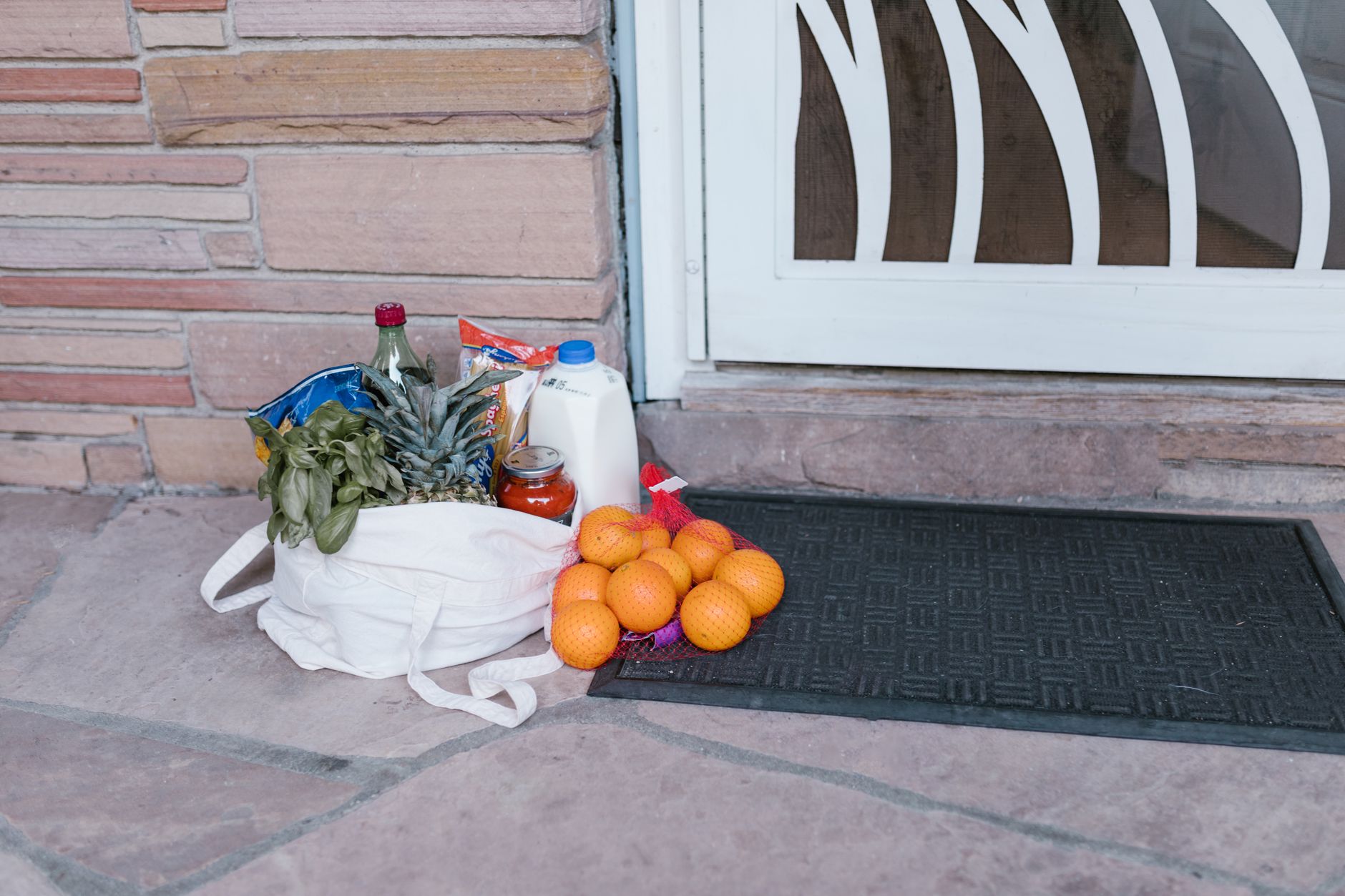
The product mix helps too. Drone payloads favor small, frequent, urgent purchases: a prescription pickup, a carton of eggs, a forgotten ingredient, a phone charger. Those are the categories where Walmart’s shelves are deepest and where a customer is most willing to pay for speed. A drone cannot carry a flat-screen television, but it does not need to in order to change shopping habits.
Then there is the labor question. Walmart has spent years training store employees to pick online orders for curbside pickup, and that same workflow feeds a drone launch site. The order is assembled by someone already on the clock, handed to an operator, and sent skyward. Because the human steps around the flight are mostly reused from an existing process, the cost of each additional delivery can fall quickly once volume builds. Amazon has to build or adapt a separate chain of facilities to get the same effect.
Amazon’s Program Hits Turbulence
Amazon promised drone delivery long before anyone else made it ordinary, and it has had a bumpier path than the promise suggested.
Prime Air has gone through redesigns, testing pauses and regulatory hurdles, and it still operates in a narrow set of locations compared with the reach of the company’s ground network. Amazon also builds and flies its own aircraft, which gives it control over the product but leaves it carrying every technical and safety setback alone. Walmart’s approach of working with established drone operators spreads that risk and lets it add sites faster. Amazon’s approach could pay off if its own hardware proves cheaper to run over time, but that payoff is not visible yet.

What the Pressure Actually Looks Like
The threat to Amazon is not that drones replace its delivery fleet. It is that Walmart can now offer something that makes “same-day” sound slow. Amazon built loyalty on the promise that nearly anything arrives quickly and without effort. If a shopper in a covered suburb can get milk, diapers and a birthday card from a store down the road in half an hour, the benchmark moves. Amazon’s speed advantage in everyday items, which took years and billions of dollars of logistics investment to build, becomes easier to match in the neighborhoods Walmart covers.
The limits are real, though. Weather grounds aircraft. Residents can object to noise and flight paths. Regulators control how far a drone may fly without a human watching it, and each new market brings its own approvals. Coverage radius caps the audience, so the service reaches households near participating stores and not much further. For the foreseeable future, drone delivery will serve a thin slice of Walmart’s orders, which means the pressure on Amazon is more about perception and habit than raw volume.
That is where the membership programs come in. Walmart+ and Prime both sell convenience as a subscription, and a drone drop is the kind of visible perk that gives a subscriber something concrete to talk about. Amazon has answers of its own, including expanded same-day facilities and a growing push into perishable groceries, and it can lean on a catalog that no store shelf can match. But those moves compete on selection and price, not on the sight of a package arriving from the sky in minutes, and the second is the one that gets remembered.
A drone can carry a small box but not a sofa, and Amazon still wins plenty of the purchases that never fit in the air. The harder question is whether being first to promise the sky matters if Walmart is the one filling it.