

The race to own the next wave of obesity treatments has moved from laboratories into courtrooms, and the two companies at the center of it – Eli Lilly and Novo Nordisk – are fighting over intellectual property that could be worth hundreds of billions of dollars in future revenue.
A Patent War With Enormous Financial Stakes
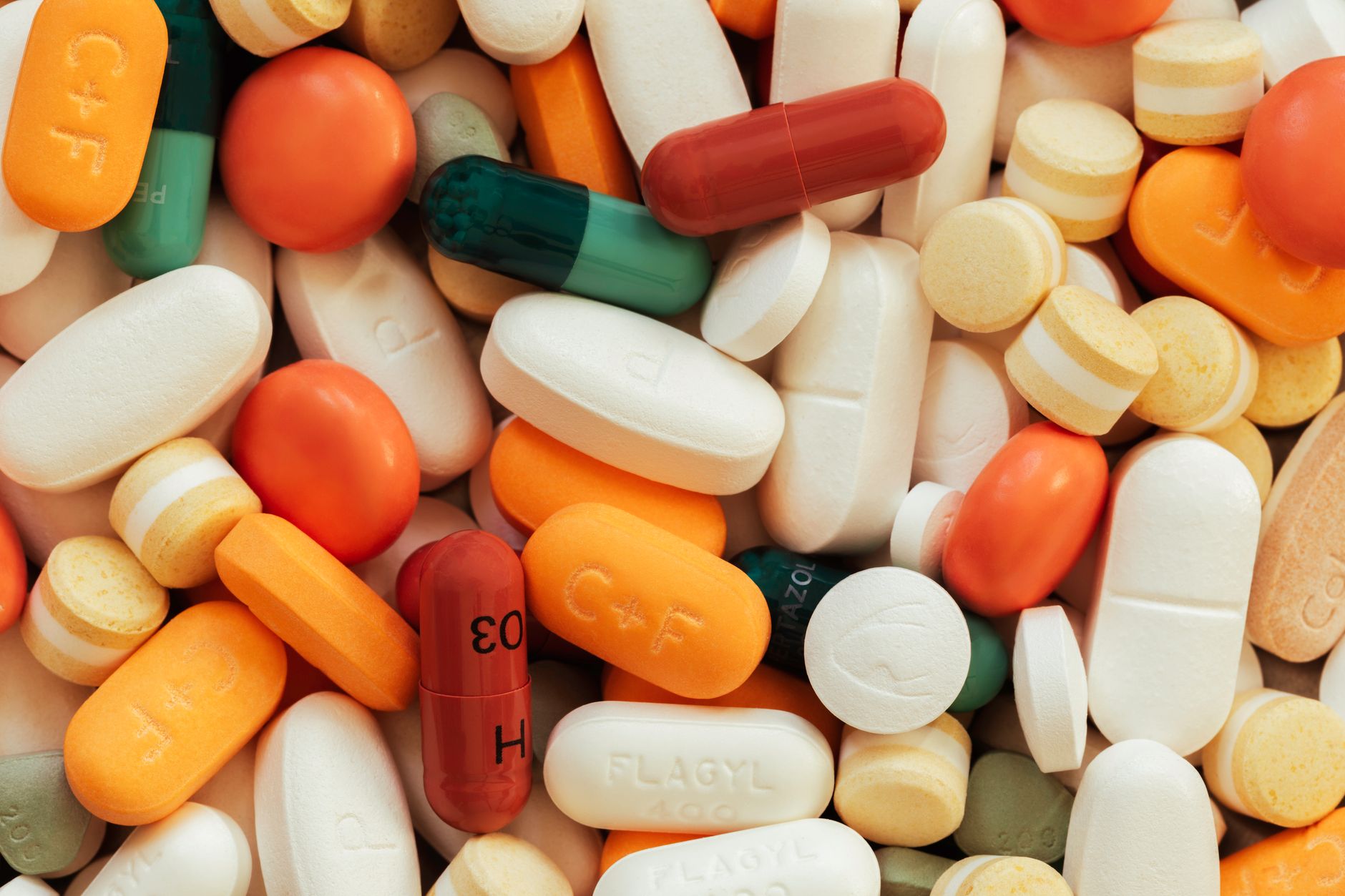
Obesity drug patents are not ordinary pharmaceutical disputes. The GLP-1 drug class – which includes blockbuster treatments like Ozempic, Wegovy, and Mounjaro – has rewritten what the pharmaceutical sector looks like financially. Both Novo Nordisk and Eli Lilly have seen their market capitalizations surge as demand for these drugs outpaces supply in markets across North America, Europe, and parts of Asia. The legal battles unfolding now are, in effect, fights over who gets to own that demand for the next decade.
The core dispute centers on next-generation formulations and delivery mechanisms. Both companies have filed competing patent claims covering oral GLP-1 molecules, longer-acting injectable compounds, and combination therapies that pair weight-loss agents with cardiovascular or metabolic targets. The overlap in these filings is not incidental – it is the direct result of both companies hiring from the same pool of researchers and building on decades of shared scientific literature in the GLP-1 space.
Eli Lilly’s pipeline includes orforglipron, an oral GLP-1 receptor agonist that does not require the peptide-based chemistry that defines most current treatments. That distinction matters legally because it potentially sits outside some of Novo Nordisk’s existing patent walls. Novo Nordisk, for its part, has been advancing its own oral semaglutide program and next-generation injectable candidates, filing broad claims that attempt to cover not just specific molecules but delivery methods and therapeutic combinations.
Patent filings at the U.S. Patent and Trademark Office and equivalent bodies in Europe have been piling up from both sides since 2021, and several challenges are now working their way through inter partes review proceedings – a legal mechanism that allows companies to contest patent validity before a patent trial and appeal board rather than going directly through federal courts. That process tends to be faster and cheaper than full litigation, but it is no less aggressive.
How the Legal Strategy Differs Between the Two Companies
Novo Nordisk’s approach has historically favored building wide patent portfolios around its core semaglutide molecule, protecting not just the compound itself but the specific salt forms, dosing regimens, and patient populations covered by clinical trials. This layered strategy – sometimes called “evergreening” in pharmaceutical circles – makes it difficult for a competitor to design around the core asset without triggering some portion of the protective ring. The company has defended this approach in multiple markets, including in disputes involving generic manufacturers attempting to launch biosimilar versions of earlier GLP-1 drugs.
Eli Lilly’s legal posture is different, built more around its tirzepatide molecule and the dual GIP/GLP-1 receptor agonist mechanism that underlies Mounjaro and Zepbound. Because tirzepatide works on two receptor pathways simultaneously rather than one, Lilly has argued that its core patents are structurally distinct from anything Novo Nordisk has filed. That argument has been persuasive in some early proceedings, but Novo Nordisk has countered by claiming that certain downstream therapeutic uses and formulation methods in Lilly’s filings infringe on patents the Danish company holds in adjacent areas of metabolic science.
The geography of these disputes adds another layer of complexity. European patent law treats combination therapy claims differently than U.S. law does, and several of the most contentious filings involve claims that would be valid in one jurisdiction but not the other. Both companies maintain large in-house legal teams with specific expertise in pharmaceutical IP, and both have brought in outside counsel from firms specializing in biotech patent litigation to handle the highest-stakes proceedings.
What makes the next-generation drugs particularly difficult to litigate is the speed of scientific development. By the time a patent challenge reaches a final ruling – often two to four years after filing – the underlying commercial landscape may have shifted. A patent that looked critical in 2023 may cover a molecule that neither company is actively marketing by 2026. Both legal teams are aware of this, which is why many of the disputes are being prosecuted simultaneously in multiple venues: USPTO proceedings, European Patent Office oppositions, and, in at least two cases, full district court litigation in the United States.
There is also a licensing dimension that rarely surfaces in public filings. Companies at this level of pharmaceutical competition rarely litigate purely out of principle. Patent disputes often function as leverage in cross-licensing negotiations, where the real outcome is not a court victory but a private agreement that allows both parties to continue selling their products while sharing royalties or access to specific technologies. Whether Lilly and Novo Nordisk are already in such talks – or whether they will get there before the first major ruling – is not publicly known.

What This Means for the Broader Market
Generic and biosimilar manufacturers are watching this dispute with direct financial interest. As long as Lilly and Novo Nordisk are actively contesting each other’s patents, it becomes harder for smaller players to find clear legal space to develop competing products. Every inter partes review challenge that Lilly files against a Novo Nordisk patent, and vice versa, creates public records that generic manufacturers can study and eventually use in their own invalidity arguments. The patent war between the two giants may, paradoxically, end up benefiting the generics industry more than either party intends.
The more immediate question is whether any of these disputes will delay product launches. Both companies have oral GLP-1 candidates that could reach the market within the next two to three years, and a court order blocking launch – even temporarily – would cost either company billions. That threat alone changes how aggressively each side is willing to push litigation, and how quickly both might consider settlement terms that would have seemed unacceptable at an earlier stage of competition.