

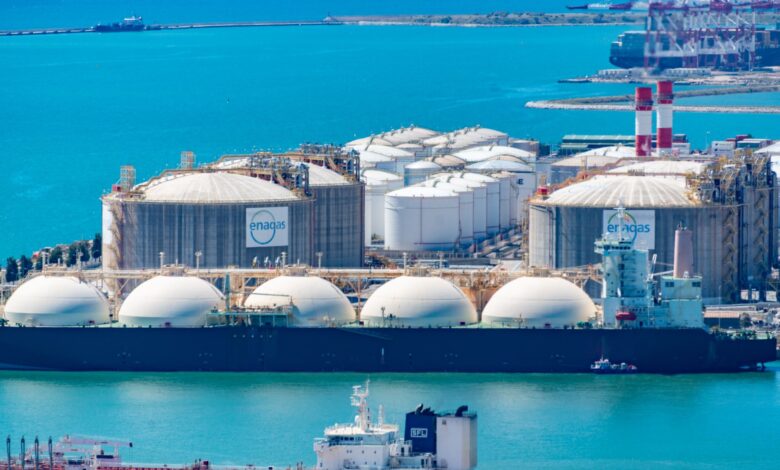
Shell’s Quiet Retreat From LNG Is Louder Than It Looks
Shell has spent the better part of two decades positioning itself as the world’s largest trader of liquefied natural gas, building a portfolio of long-term supply contracts, floating production assets, and midstream infrastructure that competitors could only envy. Now, a series of strategic decisions – asset sales, contract renegotiations, and a deliberate pivot toward higher-margin trading rather than physical production – signals that Shell is quietly stepping back from the commitments that made it the backbone of European LNG supply chains. The retreat is not dramatic. It is incremental, carefully managed, and all the more dangerous for it.
European energy utilities and state-owned buyers that structured decade-long import agreements around Shell’s supply reliability are now facing a version of counterparty risk they did not price in when those contracts were written.
The timing could hardly be worse. Europe is still rebuilding LNG infrastructure after the collapse of Russian pipeline gas as a dependable supply source, and demand projections for regasification capacity remain high through at least the early 2030s. Shell’s recalibration lands directly in the middle of that window.
What Shell Is Actually Doing – and What It Isn’t Saying
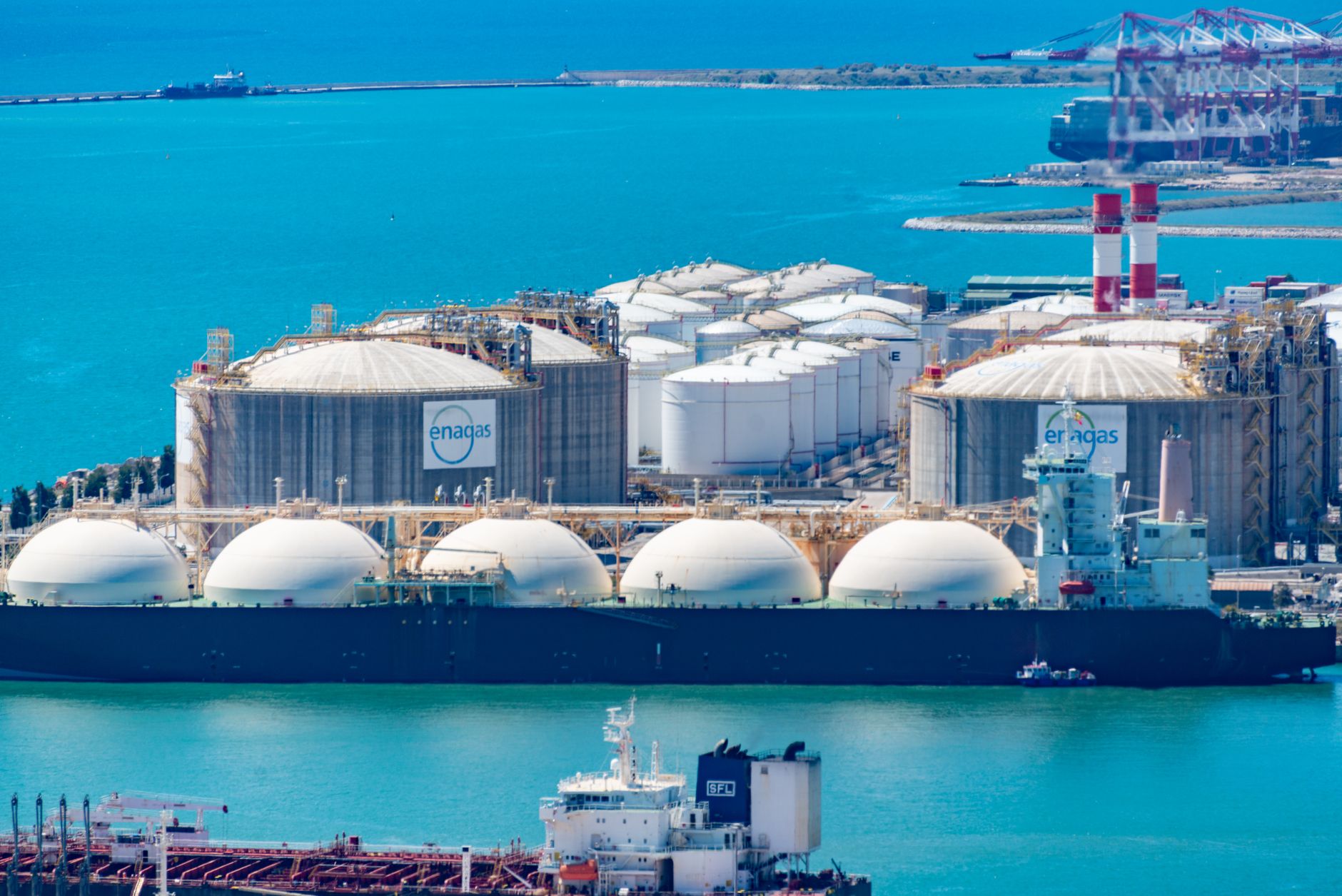
Shell has not announced a formal exit from LNG. What it has done is subtler: selectively offloading upstream stakes in Australian and North American LNG projects, declining to renew certain long-term supply agreements at their original volume levels, and redirecting capital toward its integrated gas trading desk rather than new production equity. In corporate terms, this is described as “portfolio optimization.” In practical terms, it means Shell is transitioning from a producer-and-seller to a trader-and-broker, which is a fundamentally different kind of partner for a European utility trying to guarantee winter supply.
The distinction matters because trading positions can be unwound. A Shell that holds equity in a liquefaction facility is contractually anchored to that supply. A Shell that operates primarily as a trader can redirect cargoes to higher-priced markets – Asia, Latin America, or wherever spot prices spike – with far more flexibility. That flexibility is valuable to Shell’s shareholders and deeply uncomfortable for European buyers who negotiated their contracts under the assumption that they were dealing with a committed producer, not an opportunistic cargo aggregator.
Several European national energy companies and large industrial gas buyers have reportedly begun internal reviews of their supply chain exposure, specifically looking at which contracts give Shell routing discretion and which lock in destination clauses. The legal picture is complicated: many agreements written before 2022 did not anticipate the kind of global LNG spot market volatility that now makes cargo diversion a routine commercial decision rather than a contractual breach.
The Exposure Is Uneven, and That Makes It More Dangerous
Not every European buyer is equally exposed. Large national utilities in Germany, France, and the Netherlands that negotiated directly with Shell’s upstream entities tend to have stronger destination and volume protections than smaller buyers in Southern and Eastern Europe who came to LNG later and often purchased supply through intermediary trading houses. The risk is concentrated at precisely the weakest point in the European supply chain – countries that are newer to LNG dependency and have the least leverage to renegotiate terms or find alternative suppliers quickly.
Croatia, Greece, and Poland, all of which have expanded floating storage and regasification capacity in recent years, fall into this more vulnerable category. Their import infrastructure was built with the expectation of a stable, long-term supply relationship with major international producers. If Shell continues to reduce its physical production exposure, the replacement suppliers – QatarEnergy, TotalEnergies, and a growing roster of American export projects – do not yet have the contract coverage or the flexibility to fill the gap on short notice. American LNG in particular operates on project financing structures that require years of advance contracting, not reactive supply guarantees.
There is also a pricing dimension that rarely gets discussed outside energy trade circles. Shell’s scale as a buyer, aggregator, and seller gave it the ability to offer competitive pricing to European customers partly because it could cross-subsidize from other parts of its portfolio. A Shell that is reducing its physical footprint loses some of that pricing architecture, which means the replacement supply – even if it can be found – is likely to cost more.
What Comes Next for European Buyers
The immediate pressure is on procurement teams and energy ministries to audit their forward supply books and identify which contracts have meaningful force majeure protections versus which ones essentially rely on Shell’s commercial goodwill to deliver. That is not a comfortable audit to run, but it is a necessary one. The harder problem is structural: Europe built its post-pipeline LNG strategy around a handful of global majors, and Shell was the largest of them. Diversifying away from that concentration requires either accepting higher spot market exposure – with the price volatility that implies – or committing to new long-term contracts with producers whose project timelines run into the 2030s.
Some European buyers are already moving toward smaller, bilateral deals with American export terminals, though these agreements tend to be more expensive and often require the buyer to arrange their own shipping, which is a significant operational burden for utilities that previously relied on Shell’s integrated logistics. Others are looking at equity stakes in LNG production projects directly, a strategy that requires capital and technical expertise that most utilities do not carry in-house.

Shell’s move is rational from a shareholder return perspective – trading margins can outperform production equity, especially when commodity prices are volatile – but it leaves European energy security resting on a market structure that was never designed to handle the concentration of risk that is now becoming visible. The buyers who assumed Shell’s scale was a permanent fixture of the LNG landscape are discovering that no commercial relationship in the energy sector is permanent, especially when the economics change and the exit door is left deliberately, carefully, ajar.
Frequently Asked Questions
Is Shell completely exiting the LNG market?
No. Shell is not making a formal exit but is reducing physical production equity and shifting toward a trading-focused model, which changes its reliability as a supply partner.
Which European countries are most exposed to Shell’s LNG pullback?
Newer LNG-dependent markets like Croatia, Greece, and Poland face the greatest exposure, as they have less contract leverage and fewer alternative supplier options on short notice.