
American consumers shopping for sneakers are about to feel the weight of trade policy in their wallets. With new tariffs targeting goods manufactured in Asia, both Adidas and Nike are navigating a cost squeeze that reaches from factory floors in Vietnam and Indonesia straight to retail shelves in the United States.
The Tariff Pressure Hitting Both Giants
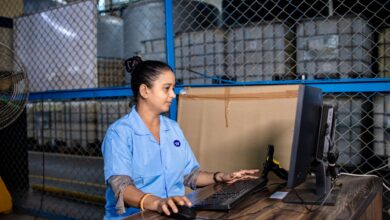
The bulk of Nike and Adidas footwear is manufactured in Vietnam, Indonesia, and China – countries now facing steep U.S. import tariffs under the latest round of trade measures. Vietnam alone accounts for a significant share of Nike’s global production, and the tariff rates hitting that country are among the highest announced. For companies whose margins depend on keeping manufacturing costs low, even a modest percentage increase in duties adds up to hundreds of millions of dollars annually when applied across tens of millions of pairs of shoes.
Nike has already signaled to retail partners and investors that price increases are likely. The company’s leadership acknowledged during recent earnings calls that it cannot fully absorb the added costs without adjusting consumer-facing prices. Adidas issued similar warnings, noting that the scale of the tariffs makes internal cost-cutting an incomplete solution. Both companies have spent years building supply chains optimized for efficiency, not for rapid geographic pivots, which means moving production isn’t a quick fix.
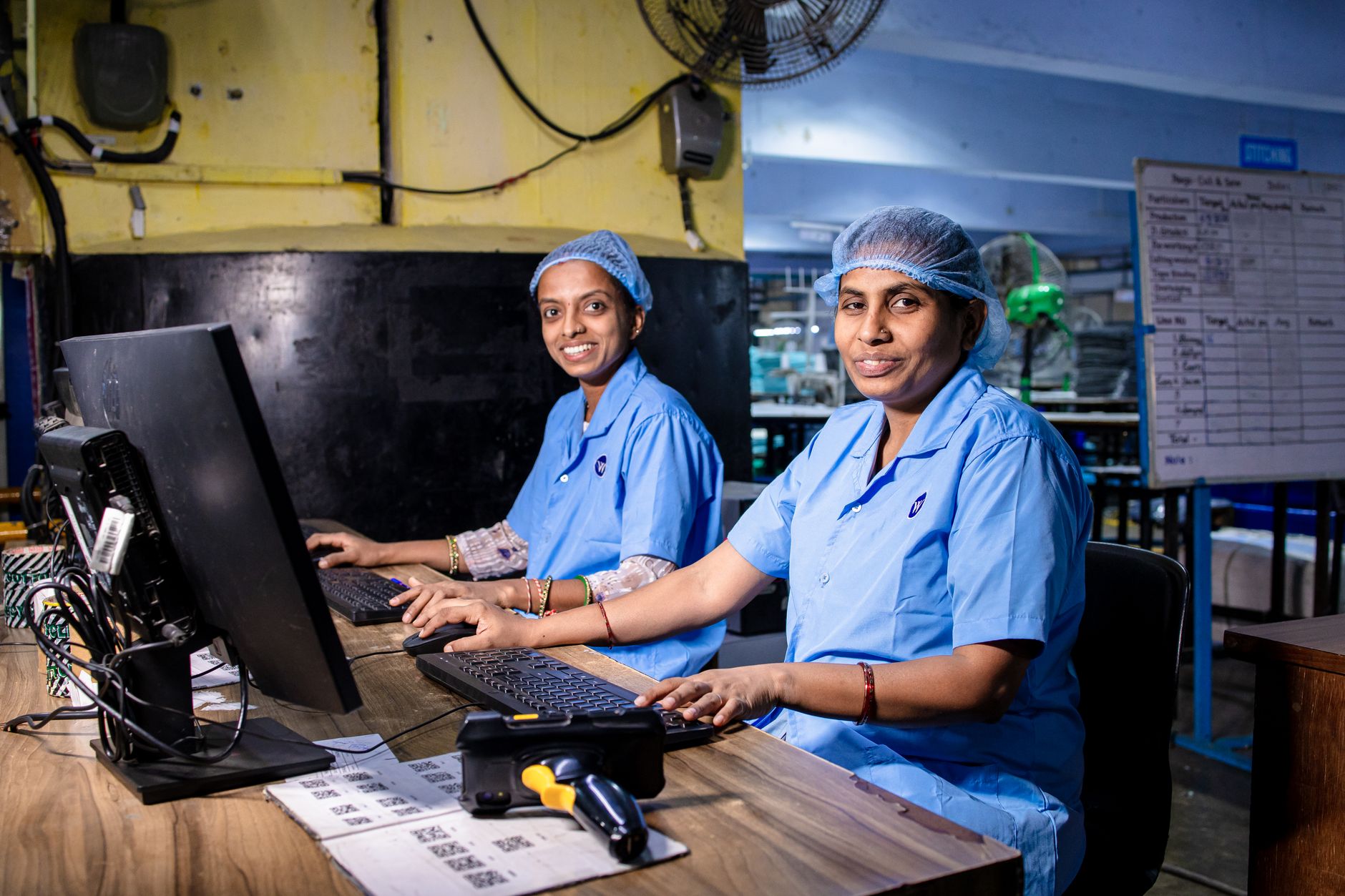
Shifting factories to tariff-exempt countries sounds straightforward on paper but requires years of lead time, new supplier relationships, infrastructure investment, and workforce training. A manufacturing base in Vietnam or Indonesia represents decades of built-up expertise and established quality controls. Dismantling that to chase tariff relief risks introducing quality inconsistencies and delays – problems that matter deeply to brands whose identity is built on performance credibility. Some production diversification toward countries like India is already underway, but the pace is slow relative to the urgency of the current tariff schedule.
Smaller sneaker brands face the same pressure but with fewer options. Nike and Adidas at least have the scale to negotiate directly with major retailers, hedge currency exposure, and spread costs across enormous product catalogs. A mid-tier brand moving a few million units a year absorbs the same percentage tariff hit but without the financial cushion to delay passing it to consumers.
What Price Increases Actually Look Like at the Register
The math on tariff pass-through to consumers is not one-to-one, but the direction is clear. When import duties increase the landed cost of a shoe by several dollars per pair, brands typically pass a portion to retailers through wholesale price adjustments, and retailers pass a portion – often amplified – to shoppers. A shoe that wholesales for $60 and retails for $110 does not simply go up by the exact tariff amount. Retailers protect their percentage margins, which means the final sticker price increase can be larger than the raw duty cost implies.
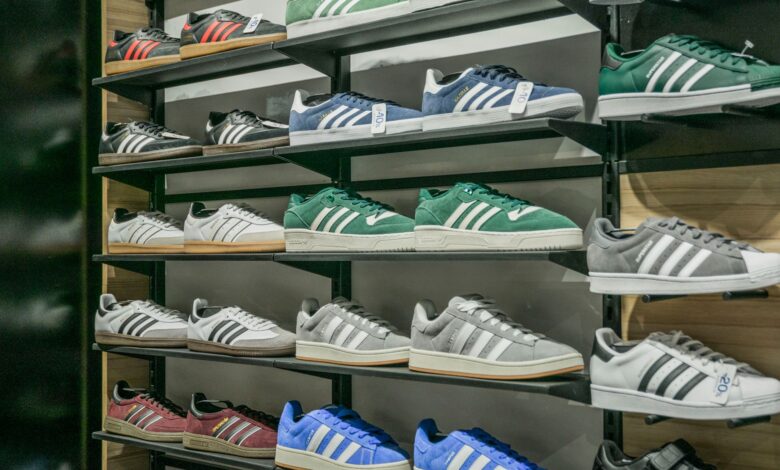
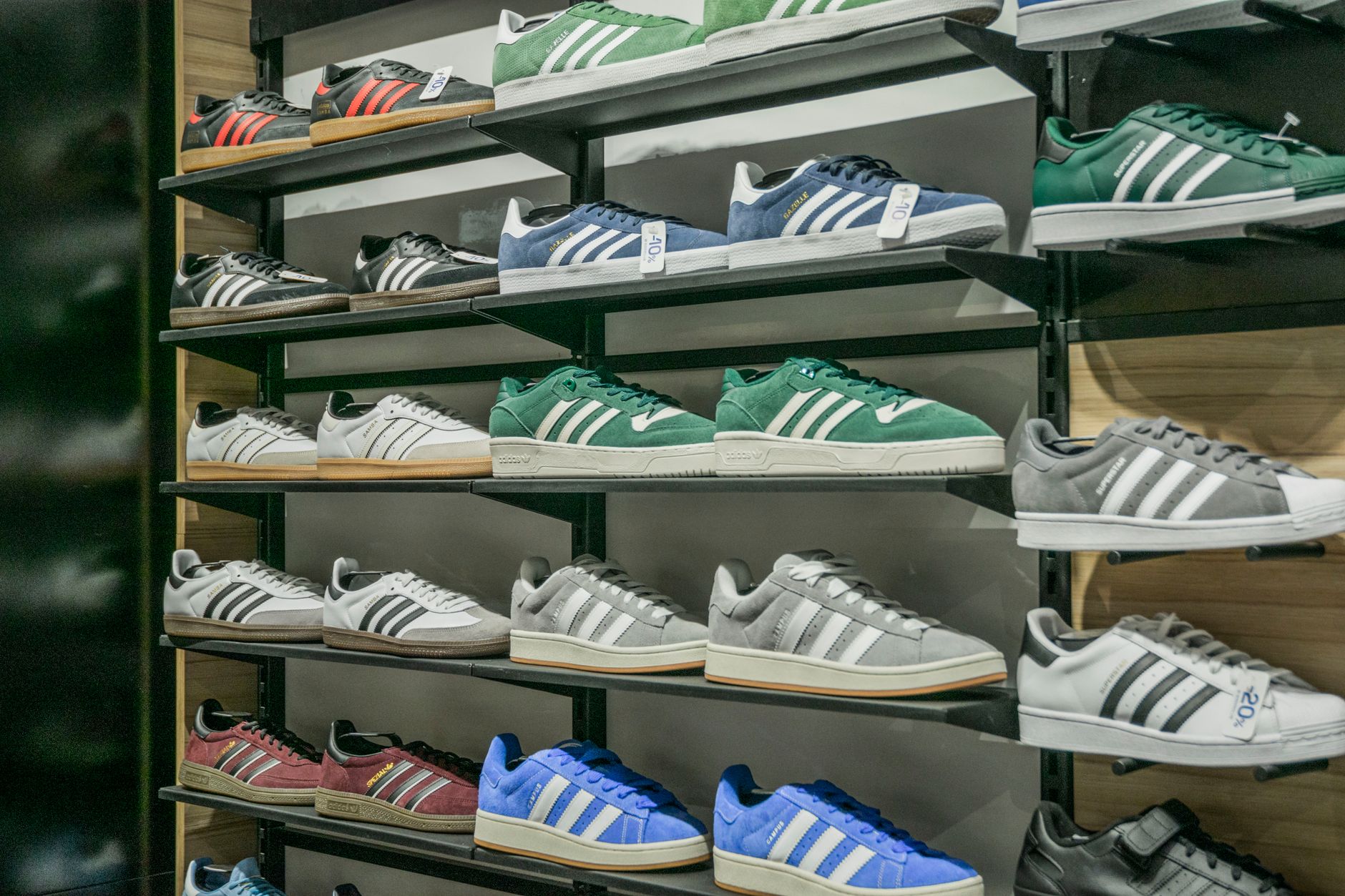
Nike’s most popular running and lifestyle silhouettes, which currently retail between $90 and $160, could realistically move $10 to $20 higher under aggressive tariff scenarios. For the Air Force 1 or a mid-range Adidas running shoe – products that function as accessible entry points for the brands – a price jump that crosses a psychological threshold changes who buys them. The consumer who budgets carefully before buying a $100 sneaker reconsiders at $120.
The premium end of both catalogs faces less demand sensitivity. A $250 Nike tech fleece runner or a $300 Adidas Yeezy-adjacent collaboration sells to a buyer who is not particularly price-elastic. The real vulnerability sits in the mid-market, where both brands compete aggressively with each other and with a growing field of challengers including New Balance, On Running, and HOKA. Those brands face the same tariff environment, but some have more domestic production or more flexible manufacturing footprints, giving them a short-term pricing edge.
Retail chains that carry both brands are already modeling scenarios. Foot Locker, Dick’s Sporting Goods, and similar chains have significant exposure to any demand softening in the $90 to $150 sneaker range. If consumers hold off on discretionary purchases or trade down to cheaper alternatives, the revenue impact flows back up the chain to the brands themselves. A slowdown in sell-through also means excess inventory, which triggers markdown cycles that further compress margins – precisely the dynamic both Nike and Adidas have been trying to escape after inventory gluts in 2022 and 2023.
The tariff timing also lands at an awkward moment for Nike specifically. The company is executing a recovery strategy after a period of slowing innovation and market share loss. Raising prices while simultaneously trying to win back consumers who drifted toward competitors creates a difficult balance. Adidas, meanwhile, has momentum behind it following the successful relaunch of several archive silhouettes and a more disciplined product strategy – but sustained price increases could blunt that momentum if the value proposition starts to feel strained.
The Longer Calculation
Both companies are already in conversations with U.S. trade officials and have joined broader industry coalitions pushing for either tariff exemptions on footwear or phased implementation timelines. The Footwear Distributors and Retailers of America has historically been vocal in lobbying against tariff regimes that treat shoes as industrial goods rather than consumer necessities. Whether that advocacy produces any carve-outs remains an open question, and companies cannot afford to wait on the outcome before making operational decisions.
The more pointed concern is what a sustained high-tariff environment does to the geography of sneaker manufacturing over a five to ten year horizon. India is already being positioned by both brands and policymakers as an alternative production hub, and some factories are ramping up. But Indian manufacturing infrastructure for complex athletic footwear is still developing, and the technical demands of producing a high-performance running shoe at scale are different from the garment production India has historically dominated. Nike’s bet on India is real – the brand has been deepening partnerships there – but the question of whether Indian factories can absorb meaningful volume at Nike and Adidas quality standards within the next two to three years is one that factory operators themselves are still answering.