

A Korean Automaker Plants Its Flag in the American South
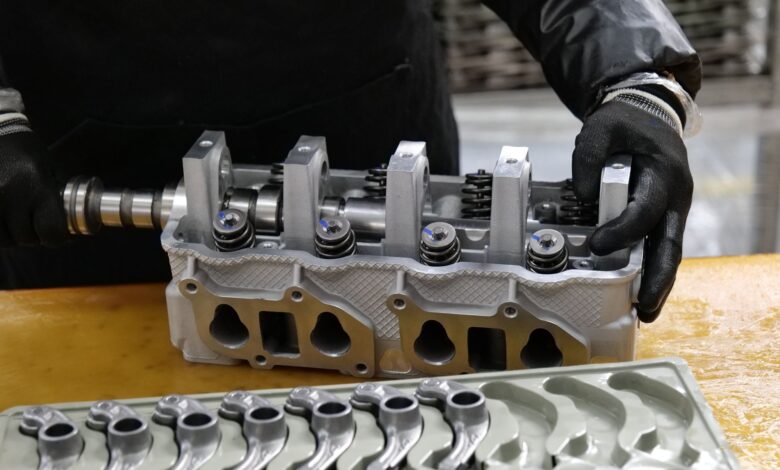
Hyundai’s $7.6 billion manufacturing complex in Ellabell, Georgia – the Metaplant America facility – began producing vehicles at scale in 2024, and the implications for the U.S. auto market are still rippling outward. The plant, which targets an annual capacity of 300,000 vehicles, gives Hyundai something it has long lacked in America: a domestic production base that insulates it from import tariffs and lets it compete on pricing with far less friction. That is a direct threat to Toyota, which has spent decades building its American manufacturing reputation as a competitive moat.
Toyota currently operates plants in Kentucky, Indiana, Texas, Mississippi, West Virginia, and Alabama, making it the most entrenched foreign automaker in U.S. domestic production. For years, that network gave Toyota a structural advantage – fewer tariff exposures, stronger political goodwill, and faster supply chain responses. Hyundai’s Georgia bet does not erase that lead overnight, but it closes the gap in ways that were unimaginable even five years ago.
What the Georgia Plant Actually Changes
The practical shift here is about tariff exposure and pricing agility. Before Metaplant America came online, Hyundai imported the majority of its U.S.-sold vehicles from Korea. That meant every tariff threat from Washington landed harder on Hyundai’s margin than on Toyota’s, which already manufactured a significant share of its U.S. lineup domestically. Now Hyundai can produce its Ioniq 5 and Ioniq 6 EVs – its highest-priority products – on American soil, qualifying them for federal tax credits under the Inflation Reduction Act’s domestic content requirements.
Toyota has its own EV ambitions, with the bZ4X and a broader battery-electric lineup in development, but its domestic EV production footprint is still catching up. The Kentucky plant handles Camry and other core models, not the EV-first vehicles that younger buyers are prioritizing. Hyundai, by contrast, built Metaplant America specifically around electric vehicle production, which means it is not retrofitting an old line – it is starting with EV architecture as the default. That production logic gives Hyundai a cost and speed advantage in the segment Toyota is still working to dominate.
Political Capital and the “Made in America” Narrative
Manufacturing in the U.S. is not just a supply chain decision – it is a political and consumer relations strategy. Toyota understood this early, opening its first American plant in Georgetown, Kentucky in 1988. The company spent decades cultivating the image of a foreign brand that employs American workers, and that reputation paid off in congressional goodwill and consumer trust, particularly in Southern states where the plants are located.
Hyundai is now pursuing the same playbook, just decades later and with more urgency. The Ellabell facility is projected to employ around 8,500 workers directly, with thousands more expected through supplier and logistics jobs in the region. Georgia’s governor and local officials were vocal partners in landing the plant, which means Hyundai now has the kind of political relationships in the South that Toyota spent a generation building. That is not a small thing in an industry where federal policy – tariffs, EV credits, infrastructure spending – can reshape competitive dynamics in a single legislative session.
Toyota is not standing still. The company announced investments in its North Carolina battery plant and continues to expand its U.S. production network. But Hyundai’s move forces Toyota to defend ground it considered settled rather than advancing into new territory freely. Competing against an entrenched legacy brand is hard. Competing against one while also managing a new challenger with fresh facilities and EV-first production lines is harder.
There is also a consumer perception angle worth watching. Hyundai’s brand image in the U.S. has shifted substantially over the past decade – from budget alternative to genuine design and quality contender. The Genesis luxury brand, Hyundai’s premium arm, has pulled in buyers who would previously have defaulted to Toyota’s Lexus lineup. Adding a “Made in America” credential to vehicles that already carry strong reviews changes the conversation at the dealership level in ways that pure marketing cannot replicate.
EV Credits and the Policy Wildcard
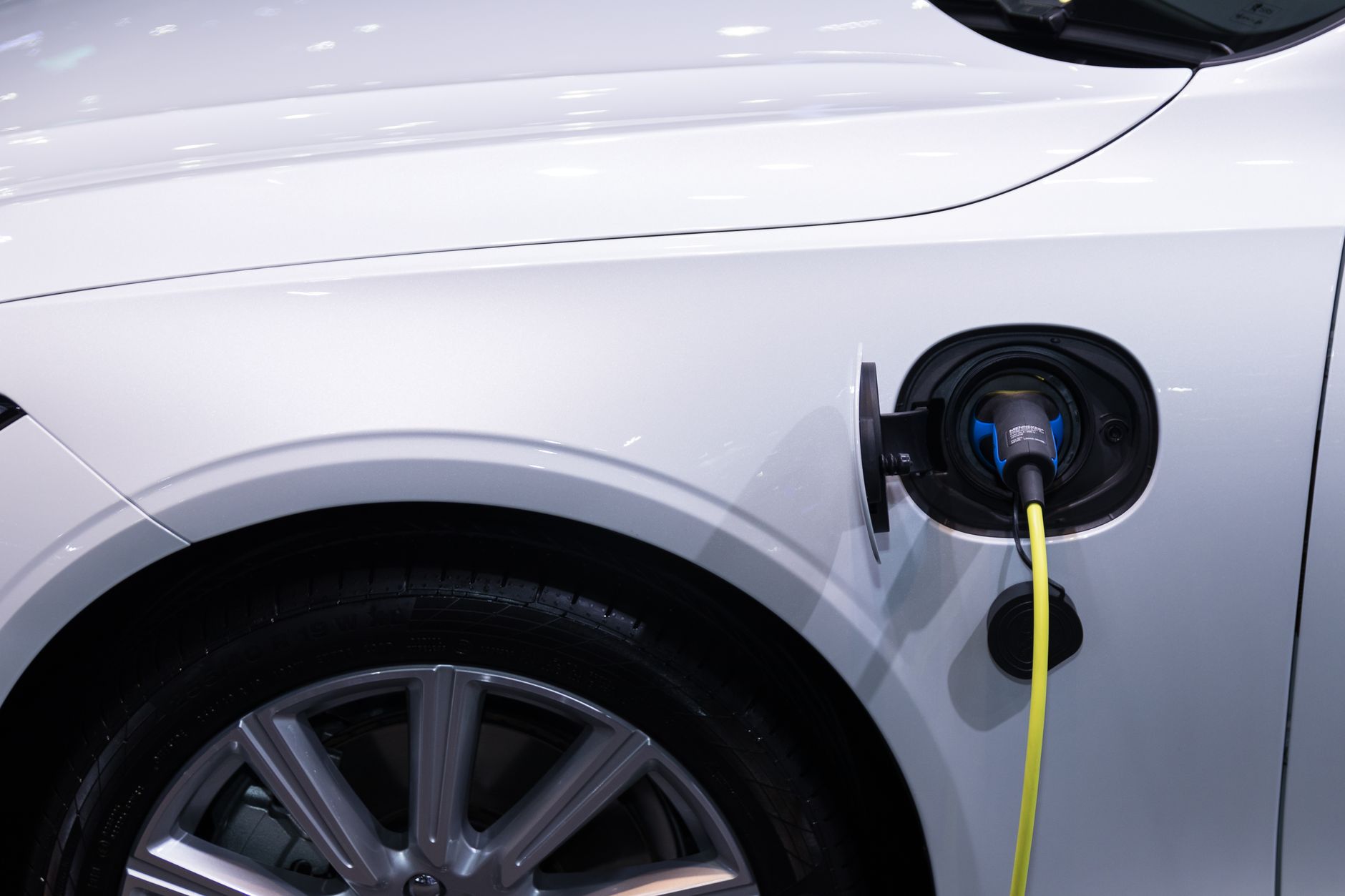
The Inflation Reduction Act’s $7,500 EV tax credit comes with strict domestic assembly and battery sourcing requirements. Hyundai’s Georgia plant was partly designed to meet those rules, and Ioniq models built there now qualify – which is a direct consumer incentive that Korean-built imports could not offer. That credit alone can be the deciding factor for a buyer comparing a $45,000 Ioniq 5 against a competitor at a similar price point.
Toyota’s current EV lineup faces its own compliance questions around battery sourcing, and the company has been more cautious about fully committing to battery-electric over hybrid technology. That hedging made sense when EV infrastructure was spotty and consumer adoption was slow. It is a harder position to hold when a competitor is offering government-subsidized purchase incentives on domestically built EVs and actively advertising that fact.

Where Toyota’s Lead Still Holds
Toyota’s volume in the U.S. remains substantial, with the Camry and RAV4 consistently ranking among the country’s best-selling vehicles. Hyundai has not displaced those models, and there is no immediate sign it will – the mainstream sedan and crossover market is enormous, and Toyota’s hybrid reputation in that space is close to unassailable. The RAV4 Hybrid and Camry Hybrid are perennial volume leaders, and Toyota’s hybrid technology is well-established enough that many buyers still associate the brand with efficiency in a way Hyundai has not yet replicated.
The more interesting pressure point is not the present but the trajectory. Hyundai is growing U.S. market share year over year, its quality scores have improved consistently, and it now has the manufacturing infrastructure to compete without the tariff drag that previously capped its pricing flexibility. Toyota’s domestic lead is real, but it was built when the competitive set looked very different. A Korean brand with a Georgia address, EV-first production, and federal tax credit eligibility is not the Hyundai of 2010.
The question Toyota’s strategists are almost certainly sitting with right now: how long does a head start in hybrid technology offset a competitor that skipped the hybrid era and went straight to battery-electric at scale, on American soil, with government incentives backing every sale?
Frequently Asked Questions
Where is Hyundai’s new U.S. manufacturing plant located?
Hyundai’s Metaplant America is located in Ellabell, Georgia, and began producing vehicles at scale in 2024 with a target capacity of 300,000 vehicles annually.
How does Hyundai’s Georgia plant affect EV tax credits?
Vehicles assembled at Metaplant America, including the Ioniq 5 and Ioniq 6, qualify for the $7,500 federal EV tax credit under the Inflation Reduction Act’s domestic content rules.