
The Price of a New Menu
Starbucks CEO Brian Niccol arrived with a clear mandate: fix a company that had lost its footing with customers, its brand identity, and its stock price. His turnaround plan centers on simplifying the menu, speeding up service, and restoring what the company once called the “third place” – a warm, unhurried space between home and work. The strategy sounds straightforward on paper. On the floor of an actual Starbucks, it is anything but.
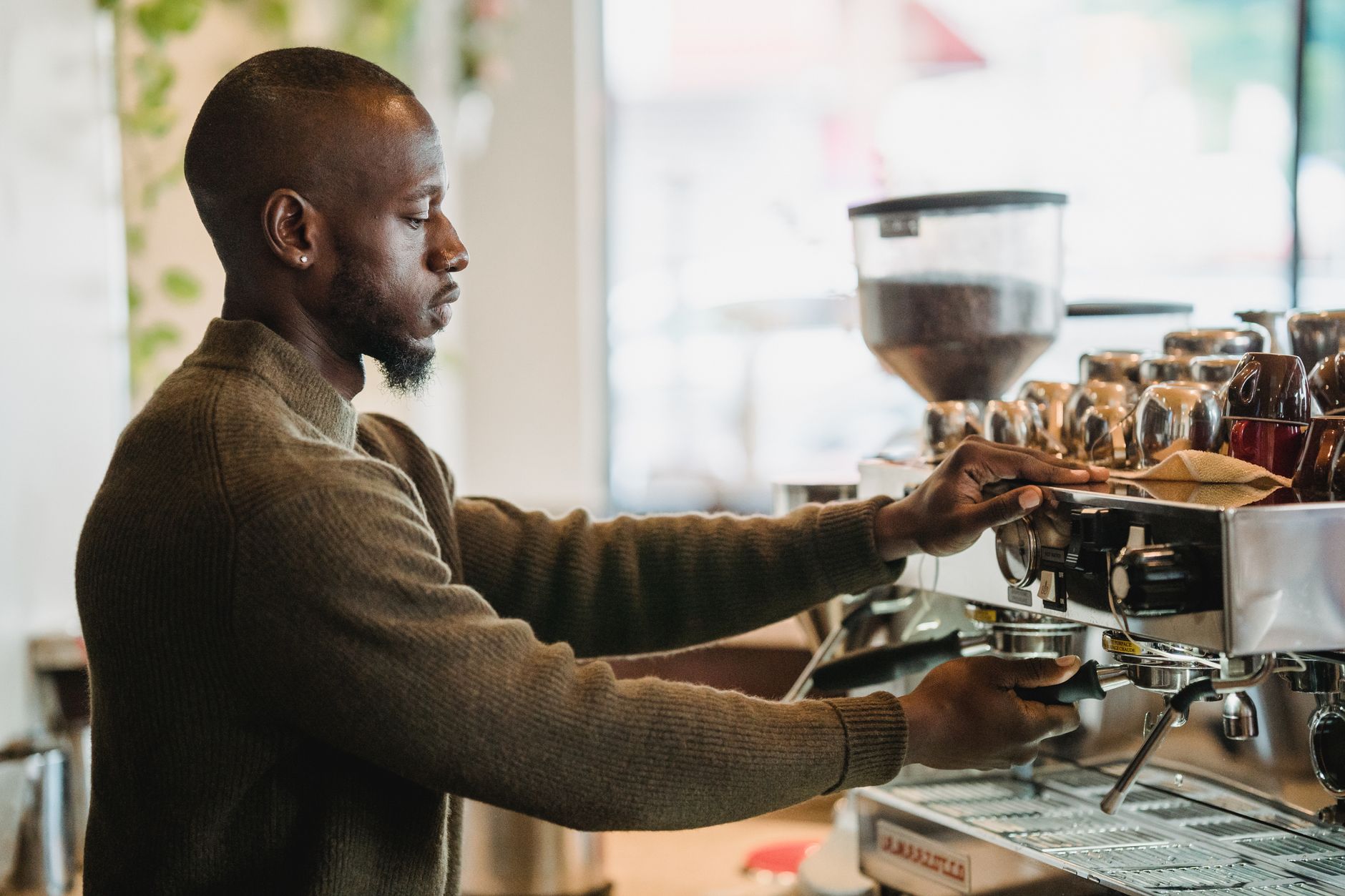
The operational reality is that nearly every piece of Niccol’s recovery plan lands directly on the shoulders of baristas.
New drink builds, tighter ticket times, redesigned store flows, and a push to reintroduce handwritten cup messages – each initiative adds complexity to a job that was already under pressure from mobile order volume and chronic understaffing. Workers who had only recently reached something resembling a fragile labor peace with corporate leadership are now watching that truce fray in real time.
How the Labor Peace Was Built
The previous Starbucks leadership era ended with the company facing an accelerating union campaign – Starbucks Workers United had organized hundreds of locations across the country, a movement that caught the company visibly off guard. The turning point came when Niccol signaled a willingness to actually negotiate. For baristas and union organizers, that shift felt like a genuine departure from years of management stonewalling. A framework agreement was reached, contract talks began in earnest, and the open hostility that had defined the relationship began to cool.
That cooling came with conditions, at least in spirit. Workers who had fought for better wages, predictable scheduling, and manageable workloads understood the negotiating process to be a two-way exchange. Corporate gets stability and a workforce willing to execute the turnaround. Workers get fair treatment, enforceable protections, and some say in how their jobs are structured. The question now is whether the pace and scope of Niccol’s operational changes are outrunning that understanding.
Baristas at multiple locations have described rollouts that arrive with minimal advance notice and training that doesn’t match the complexity of what’s being asked. A new drink added to the permanent menu might come with a corporate training module that covers the basics, but the real learning happens during a rush – when a barista is three tickets deep and a customer orders something they’ve never made before. That gap between corporate rollout and ground-level reality has always existed at Starbucks. Under a turnaround strategy with a ticking clock, it widens.

The Operational Math Doesn’t Favor Workers
Speed is central to Niccol’s vision. One of the clearest early benchmarks the company set was improving throughput – getting customers their orders faster, particularly in the drive-through and mobile channels that now account for a majority of transactions. That goal is legitimate. Long wait times have consistently surfaced in customer feedback as a reason people stopped visiting Starbucks as frequently. But the way you get faster service in a coffee shop is not a mystery: you either simplify the product, add more labor, or both.
The menu simplification part of the plan is real, but it is happening gradually, and new limited-time offerings continue to add back complexity as quickly as permanent items get trimmed. On the labor side, Starbucks has talked about optimizing staffing models, but workers at busy urban locations report that their stores still regularly operate below the headcount needed to execute smoothly during peak hours. Asking baristas to go faster with the same or fewer hands is not a productivity solution – it is a pressure transfer.
This is where the labor truce gets genuinely complicated. Union contracts, even in progress, give workers tools to push back on working conditions that become unsafe or unmanageable. But most Starbucks locations are still not under a finalized contract, which means the protection is thinner than it appears. And even where union infrastructure exists, the day-to-day decisions – how many people are scheduled, when breaks happen, how new procedures are introduced – are still largely controlled by store managers and district-level operations teams whose own performance is measured against the same speed and sales targets driving the turnaround.
Brand Recovery Built on Worker Goodwill
The handwritten name on the cup is not a small thing. Neither is a barista greeting a regular by name, or taking ten seconds to make a recommendation. These moments are the texture of what Starbucks is trying to recover – the feeling that the place knows you. But those gestures require workers who have enough breathing room in their shift to actually make them. A barista managing a 40-drink queue during a morning rush is not in a position to restore brand warmth, no matter how much corporate wants it back.
Niccol understands this tension at least rhetorically – his early communications to staff emphasized respect for frontline workers and acknowledged that the company had asked too much of them in recent years. But acknowledgment and relief are different things. Some baristas have noted that the handwritten cup initiative, which Niccol himself championed as a symbol of human connection, added minutes to drink prep without any reduction in volume expectations. That is a small example of a larger pattern: gestures toward workers embedded inside strategies that ultimately put more on their plates.
The real test of the labor truce is not whether Starbucks and Workers United can stay at the negotiating table – both sides have signaled they want to. The test is whether the operational decisions flowing out of the turnaround strategy can be made in a way that workers experience as livable. Corporate turnarounds at large retail chains have a consistent failure mode: the savings and improvements get extracted from the people doing the work, and the goodwill built up during the reform period burns off faster than the business results materialize.
A Truce That Could Still Collapse
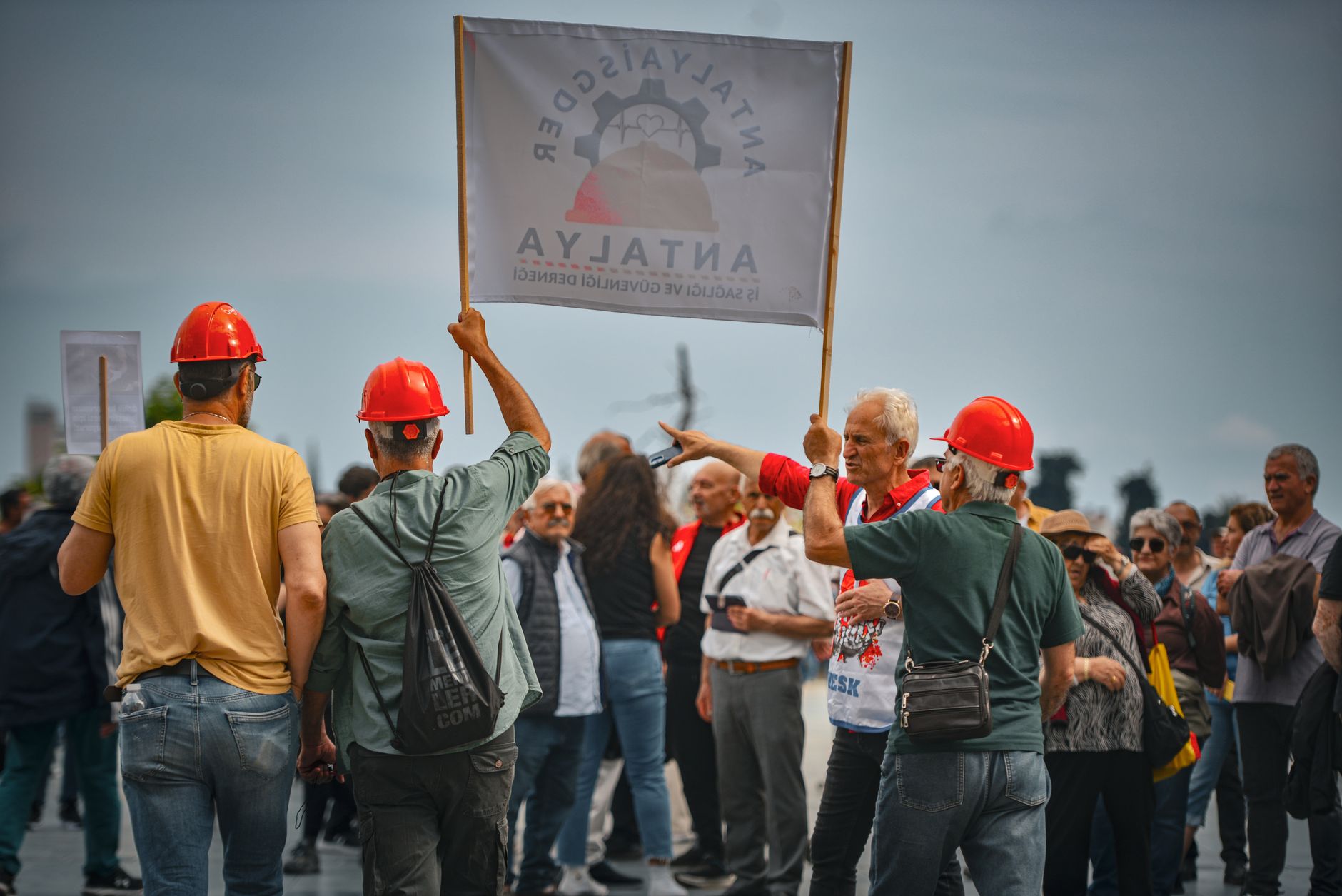
Contract negotiations with Workers United are ongoing, but the pace has been slow, and each month without a finalized agreement is another month where the informal terms of the truce depend entirely on both sides choosing not to escalate. Starbucks has a history of that détente breaking down. If worker frustration over the turnaround’s operational demands reaches a threshold – more sick-outs, more public organizing pressure, more locations voting to authorize strikes – Niccol’s carefully managed brand recovery story gets a complication he does not need, and cannot afford, while the stock is still working its way back.