

The Slow Lane Wins
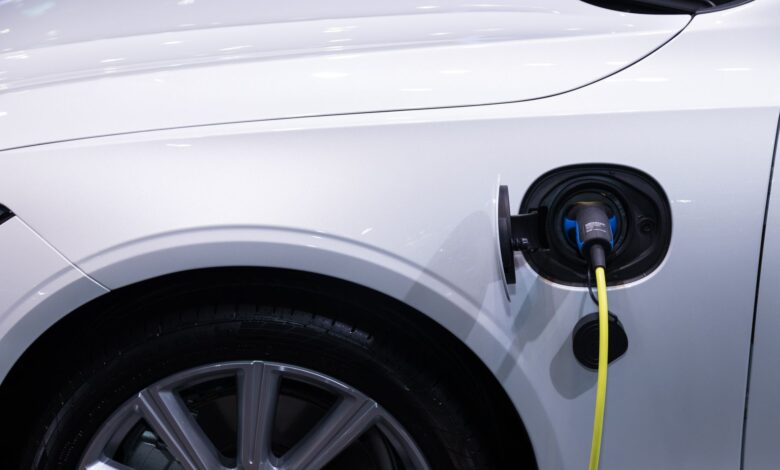
While Ford and General Motors spent the better part of the last three years announcing aggressive electric vehicle timelines, writing off billions in EV losses, and then quietly walking back their production targets, Toyota was doing something far less dramatic – selling hybrids by the millions. The Japanese automaker never fully committed to a pure-EV future on Detroit’s schedule, and that calculated hesitation is now looking less like stubbornness and more like strategy.
Toyota’s global hybrid sales have accelerated sharply as American consumers continue to show ambivalence about fully electric vehicles. Range anxiety, charging infrastructure gaps, and sticker prices that remain out of reach for middle-income buyers have kept battery-only vehicles from crossing into mass-market territory. Hybrids sit cleanly in that gap – better fuel economy than traditional combustion engines, none of the charging headaches of full EVs. Toyota built that bridge decades ago. Detroit is only now realizing how long the crossing takes.
Detroit’s EV Pivot Comes at a Cost
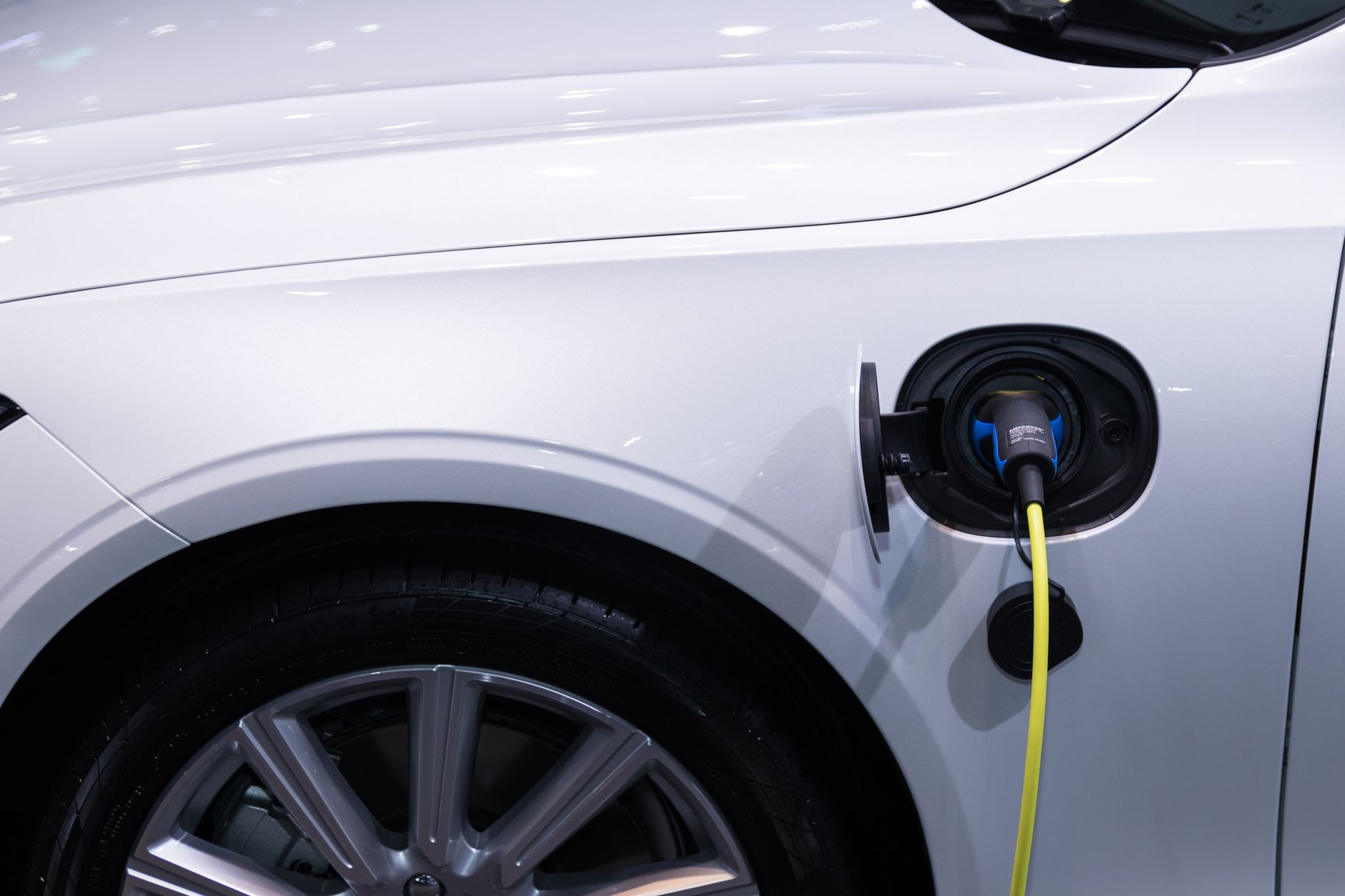
Ford’s EV division, Model e, reported losses exceeding $4.7 billion in 2023 alone. The company has since delayed multiple EV programs, scaled back production targets for its F-150 Lightning truck, and restructured how it reports EV performance internally. General Motors pulled back its Cruise robotaxi ambitions under the weight of regulatory scrutiny and cost pressure. Stellantis, meanwhile, has rotated through leadership changes partly tied to its electric transition stumbles. These are not minor course corrections – they represent billions in capital that did not generate returns.
The underlying problem for Detroit is that the EV buildout requires simultaneous wins on multiple fronts: manufacturing retooling, battery supply chains, dealer network adaptation, and consumer education. Failing on any one of those slows the whole system. Toyota, by contrast, has had hybrid manufacturing embedded in its production lines since the original Prius launched in 1997. That institutional knowledge compounds. Engineers who have spent careers optimizing battery management systems for hybrids are not starting from scratch when scaling the technology.
There is also a margin reality that rarely gets discussed plainly enough. Hybrids are profitable today. Ford and GM have been selling EVs at a per-unit loss while their combustion and hybrid lineups carry the financial weight. Toyota’s hybrid lineup, from the RAV4 Hybrid to the Camry Hybrid to the Lexus ES 300h, sells at a premium over standard versions and moves in high volume. That combination – volume plus margin – is what makes the business case so durable.
Toyota has also positioned its hybrid platform as a bridge to plug-in hybrids and eventually full EVs, rather than treating them as competing product lines. The RAV4 Prime, a plug-in hybrid, routinely faces inventory shortages because demand outpaces supply. That is a problem most automakers would welcome.
Consumer Behavior Keeps Validating the Bet
American car buyers are sending a consistent signal: they want efficiency without compromise. Hybrid vehicle registrations in the U.S. have grown steadily even as fully electric vehicle sales growth slowed from its earlier pace. The buyers who might have considered a Tesla Model 3 three years ago are now comparing it against a plug-in hybrid that offers a 40-mile electric range for daily commuting and a combustion engine for road trips – no charging stop calculations required.
This preference pattern is especially pronounced outside major metro areas, where charging networks remain thin. A driver in rural Ohio or central Texas is not weighing the same options as someone in Los Angeles or Seattle. Toyota’s lineup speaks to both. That geographic flexibility is something a pure-EV strategy simply cannot replicate right now, regardless of how many fast chargers get installed on highway corridors over the next five years.
What Toyota Got Right – and What It Still Has to Prove
The hybrid strategy success does not mean Toyota is without risk. The company has faced legitimate criticism for lobbying against stricter zero-emission vehicle mandates in multiple markets and for being slower than competitors to bring compelling fully electric models to showrooms. Its bZ4X, the flagship EV, received a mixed reception and was briefly recalled shortly after launch over wheel detachment concerns. In the EV product race, Toyota is behind – and not by a small amount.
California’s zero-emission vehicle mandates, which require automakers to sell an increasing percentage of ZEV-qualifying vehicles each year, will eventually force Toyota’s hand on full electrification. Europe is moving on similar timelines. If battery technology matures faster than expected, or if charging infrastructure buildout accelerates meaningfully, the window where hybrids provide a competitive advantage narrows. Toyota is banking on a transition that happens gradually. A fast transition would expose its EV product gap more severely.
There is also the China question. Toyota’s market share in China has softened as domestic Chinese EV brands like BYD have taken commanding positions at price points that undercut almost every foreign automaker. BYD now outsells Toyota in China on a unit basis in several segments, and its hybrid technology – what BYD calls its DM platform – is technically sophisticated enough to compete directly with Toyota’s system. The Japanese advantage in hybrid technology is no longer uncontested.

Still, for the moment, Toyota’s financial results are doing the talking. While Detroit counts its EV write-downs and recalibrates timelines, Toyota is posting operating profits that its American rivals would struggle to match. The quiet bet placed decades ago on a technology that most competitors dismissed as a half-measure is generating very full returns – and the irony is not lost on anyone watching the quarterly earnings roll in from Detroit.