

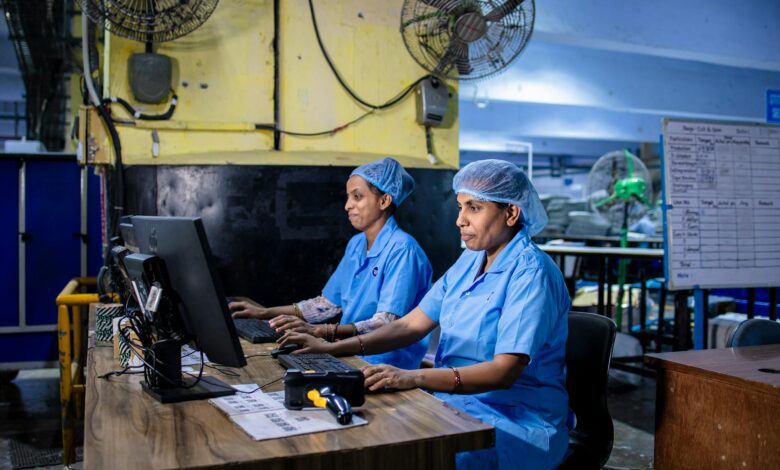
Picket lines formed outside major Ford and General Motors manufacturing facilities across the Midwest as thousands of United Auto Workers members launched coordinated strikes, bringing production to a standstill at some of America’s largest automotive plants. The work stoppage, affecting facilities in Michigan, Ohio, and Missouri, represents the most significant labor action in the auto industry since 2019.
The strikes began at midnight following failed negotiations between the UAW and both automakers over wage increases, healthcare benefits, and job security provisions. Union leadership cited stagnant wages despite record company profits as the primary catalyst for the coordinated action.
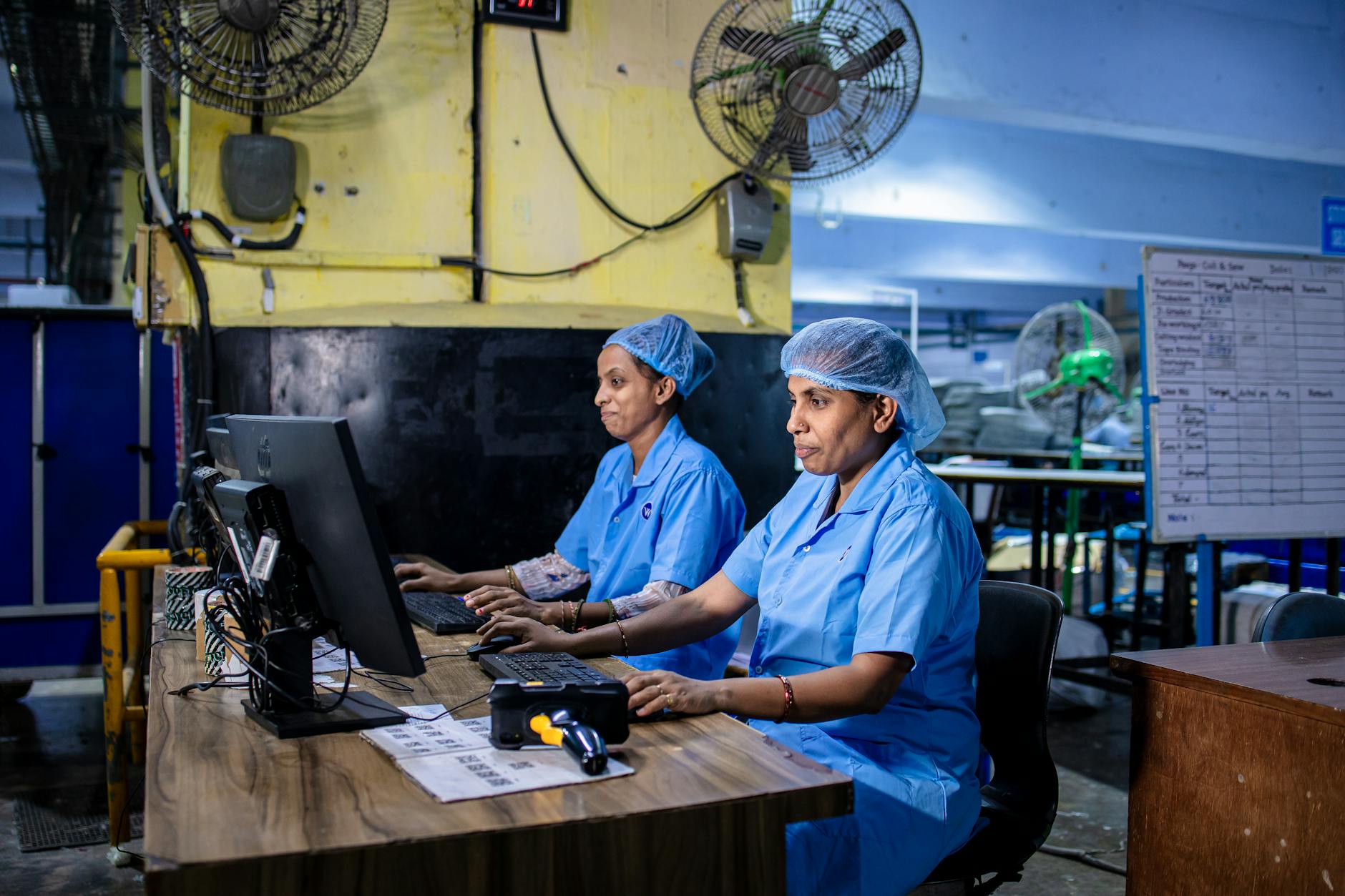
Contract Negotiations Break Down Over Key Issues
Wage increases topped the list of disputed items during months of tense negotiations. The UAW demanded immediate pay raises of 20% with additional annual increases, while Ford and GM offered smaller incremental raises spread over four years. Healthcare coverage emerged as another sticking point, with workers pushing back against proposed increases in premium contributions.
Job security provisions proved equally contentious. Union representatives expressed concerns about plant closures and the shift toward electric vehicle production, which requires fewer workers than traditional combustion engine manufacturing. The companies maintained that workforce adjustments were necessary to remain competitive in the evolving automotive landscape.
“We’ve generated billions in profits for these companies while our members’ purchasing power has declined,” said UAW President Shawn Fain during a press conference outside Ford’s Dearborn Assembly Plant. “The time for modest increases and empty promises has passed.”
Ford and GM issued separate statements expressing disappointment with the work stoppage while emphasizing their commitment to reaching fair agreements. Both companies highlighted recent investments in American manufacturing and their roles in the transition to electric vehicles.
Production Impact Spreads Across Multiple Facilities
The strikes immediately halted production at six major facilities, including Ford’s Michigan Assembly Plant and GM’s Wentzville Assembly Center in Missouri. These plants produce popular models including the Ford Bronco and GM’s mid-size pickup trucks, generating significant daily revenue for both companies.
Supply chain disruptions began within hours as parts suppliers adjusted their delivery schedules. The ripple effects extended to dealerships, where inventory managers started tracking available stock more closely. Industry analysts estimated that each day of continued strikes could cost the affected companies tens of millions in lost production.
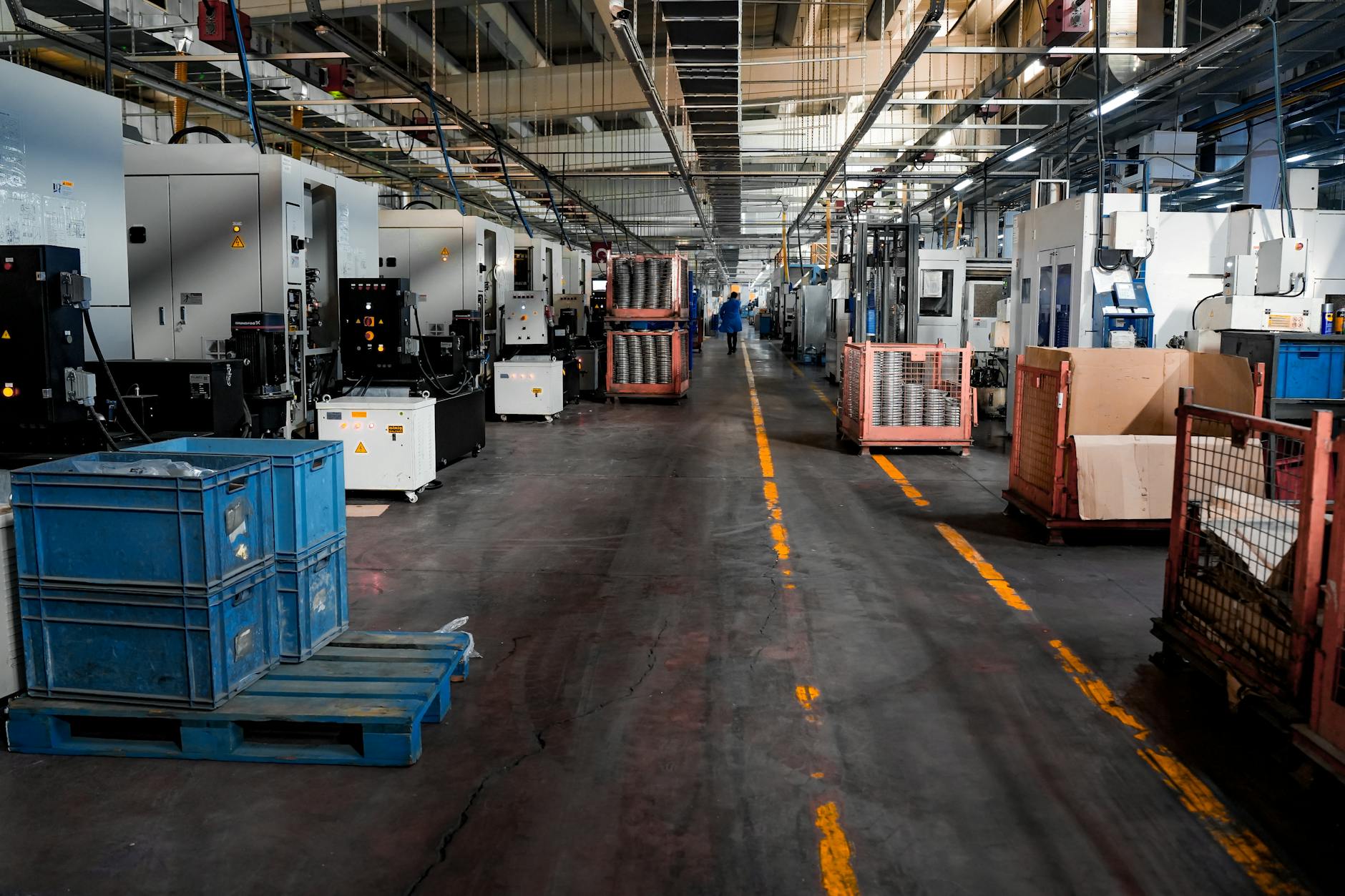
Secondary effects emerged as non-striking workers at connected facilities faced potential layoffs. Engine plants and stamping operations that supply the affected assembly plants began implementing temporary shutdowns to avoid inventory buildup. Logistics companies specializing in automotive transport also adjusted their operations.
The strikes garnered support from other labor organizations, with representatives from the Teamsters and AFL-CIO expressing solidarity with the auto workers. Local communities around the affected plants braced for economic impacts, as thousands of workers stopped receiving regular paychecks.
Industry Transformation Adds Complexity to Labor Talks
The current labor dispute unfolds against the backdrop of massive changes in automotive manufacturing. Both Ford and GM have committed billions to electric vehicle development and battery production, fundamentally altering traditional manufacturing processes and workforce requirements.
Electric vehicle assembly requires different skill sets and fewer workers per vehicle compared to traditional automotive production. This technological shift has heightened worker concerns about job security and the need for retraining programs. The union has pushed for guarantees that existing workers will receive priority consideration for positions in new electric vehicle facilities.
Battery production, a critical component of the electric vehicle transition, remains largely non-unionized across the industry. The UAW has made organizing battery plants a strategic priority, viewing it as essential for maintaining relevance as the industry evolves. Both Ford and GM have established joint ventures with battery manufacturers, complicating the traditional employer-employee relationship.
Federal incentives for electric vehicle production have created additional complexity in negotiations. Companies argue that increased labor costs could undermine their ability to compete with international manufacturers and utilize government subsidies effectively. Union leaders counter that profitable companies should share success with the workers who generate it.
Like other major technology companies facing regulatory scrutiny, the automotive industry operates under increasing government oversight regarding everything from emissions standards to worker safety protocols.
Economic Implications Beyond the Automotive Sector
The strikes carry implications that extend well beyond Ford and GM facilities. The automotive industry supports millions of jobs across manufacturing, logistics, sales, and service sectors. Extended work stoppages could affect everything from steel demand to rubber production, creating economic ripples throughout the industrial Midwest.
Financial markets responded cautiously to news of the strikes, with both Ford and GM stock prices declining in early trading. Investors weighed the immediate costs of lost production against the long-term implications of potentially expensive labor agreements. Analysts noted that generous settlements could set precedents for future negotiations across the industry.

Consumer impact remained limited in the short term due to existing vehicle inventories, but extended strikes could affect model availability and pricing. The timing coincided with traditional seasonal increases in automotive sales, potentially magnifying any supply disruptions.
Regional economic effects concentrated in communities with major automotive facilities. Local businesses from restaurants to retail stores anticipated reduced customer traffic as striking workers curtailed discretionary spending. Municipal leaders expressed concerns about potential impacts on tax revenue if strikes extended for weeks.
The labor action occurs as the broader economy shows mixed signals, with some sectors demonstrating strength while others face uncertainty. Employment remains robust in many regions, potentially strengthening the union’s negotiating position as alternative job opportunities exist for skilled manufacturing workers.
Resolution of the current strikes will likely establish precedents for labor relations as the automotive industry continues its transformation toward electric vehicles and autonomous driving technologies. Both sides face pressure to reach agreements that address immediate concerns while positioning for long-term competitiveness in a rapidly changing market.
Frequently Asked Questions
Which plants are affected by the UAW strikes?
Ford’s Michigan Assembly Plant and GM’s Wentzville Assembly Center are among six major facilities where production has stopped.
What are the main issues in the labor dispute?
Workers are demanding 20% wage increases, better healthcare benefits, and job security guarantees as the industry shifts to electric vehicles.