
Paying for groceries with a glance at a camera sounds like science fiction, but Mastercard is actively rolling out the infrastructure to make it a daily reality. The company’s biometric checkout program, which allows shoppers to authenticate payments using facial recognition or fingerprint scans, is now being tested and deployed across retail partners in multiple markets. The core pitch is speed and convenience – no fumbling for a wallet, no forgotten PIN, no card to tap.
What makes this push notable is not the technology itself, which has existed in fragments for years, but the scale at which Mastercard is now pursuing it. By embedding biometric authentication directly into its payment network, the company is effectively telling banks, retailers, and consumers that the four-digit PIN may be approaching the end of its useful life.
How the System Actually Works
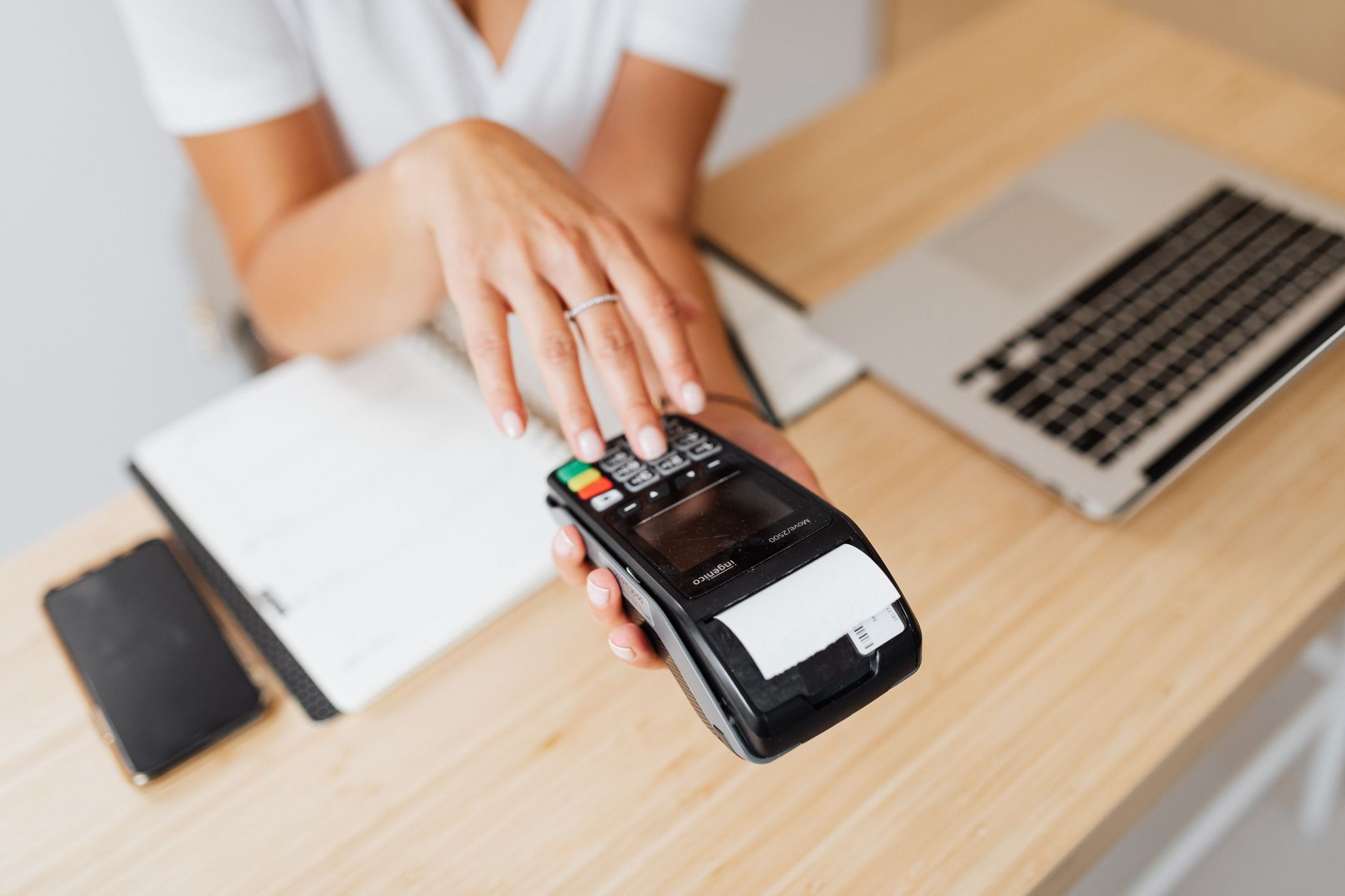
Mastercard’s biometric checkout program works by linking a shopper’s payment card or account to their biometric data during an enrollment step – typically done in-store or through a bank app. Once enrolled, the shopper can authorize purchases by scanning their face or finger at a compatible terminal. The payment clears through the same card network rails as a standard transaction, so retailers do not need to overhaul their back-end systems in any dramatic way.
The enrollment process is where the privacy architecture matters most. Mastercard has stated that biometric data is stored as an encrypted token rather than a raw image or fingerprint file. The actual biometric information does not travel across the network during each transaction – instead, a mathematical representation confirms the match locally or within a secure enclave. This design is meant to address the concern that a breach would expose someone’s face or fingerprint in a usable form.
Retailers benefit because biometric checkout can reduce transaction time at the register, which directly affects throughput during peak hours. A grocery chain running dozens of self-checkout lanes has a concrete reason to care about shaving seconds off each authentication step. Some early-adopter retailers in Brazil and the Middle East have already deployed compatible terminals, with Mastercard positioning these markets as proof-of-concept before broader expansion into Europe and North America.
Why the PIN Is Actually Vulnerable Now
The PIN has been the default consumer authentication method for decades because it was cheap to implement and hard enough to crack without physical access to the card. But the threat landscape has shifted. Shoulder-surfing, skimming devices, and data breaches that expose PINs stored in merchant systems have made the four-digit code look increasingly fragile as a standalone security measure. Biometrics eliminate the “something you know” vulnerability entirely by replacing it with “something you are” – a factor that cannot be guessed, phished, or written on a sticky note.
The counterargument is that biometrics introduce their own failure modes. A stolen password can be changed; a compromised facial scan cannot. For this reason, the security conversation around biometric payments is not about whether they are more convenient – they clearly are – but about what happens when the system fails or is spoofed. Mastercard’s tokenization approach reduces the risk of mass-scale exposure, but it does not eliminate the question of what recourse a consumer has if their biometric profile is ever compromised at the enrollment level.
The Broader Payment Industry Shift
Mastercard is not operating in isolation here. Visa has explored biometric card prototypes that embed a fingerprint sensor directly into the card itself, a different architectural choice that keeps authentication hardware in the consumer’s hand rather than at the retailer’s terminal. Amazon has deployed palm-scanning payment at its Go stores and Whole Foods locations under its Amazon One program. The competitive pressure is clear: whichever network or retailer normalizes biometric checkout first gains a strong argument for consumer loyalty through friction reduction.
For banks and card issuers, the shift creates both opportunity and cost. Issuing a biometric-enrolled account adds complexity to onboarding and customer service operations. If a customer forgets their PIN, a bank resets it in minutes. If a customer’s facial recognition enrollment degrades – due to significant physical changes, lighting failures, or system updates – the remediation path is less clear and more labor-intensive. Banks that want to participate in Mastercard’s biometric ecosystem will need to invest in the infrastructure to handle those edge cases at scale.
There is also a generational adoption question. Younger consumers who have spent years unlocking smartphones with Face ID or a fingerprint tend to find biometric payment authentication intuitive. Older demographics and consumers in markets with lower smartphone penetration may resist enrollment, particularly where distrust of corporate data collection runs high. Mastercard’s ability to reach meaningful adoption numbers depends heavily on how retailers and banks handle the enrollment pitch – whether it is framed as a privacy-respecting convenience or perceived as a corporate database of faces.
The regulatory dimension adds another layer of friction. In the European Union, biometric data falls under the strictest category of personal information under GDPR, requiring explicit consent and tight controls on storage and processing. Several U.S. states, including Illinois under its Biometric Information Privacy Act, impose specific legal obligations on any company collecting biometric identifiers. Mastercard will need localized compliance frameworks for each market it enters, which slows the rollout timeline and adds legal overhead that a standard card program does not carry.

What the industry is watching most closely is whether any major retailer in a high-volume Western market commits to biometric checkout as a default rather than an opt-in novelty. A large pharmacy chain or supermarket group making biometric the primary lane – with card-and-PIN available as a fallback – would accelerate consumer normalization faster than any amount of pilot programs. So far, no retailer in North America or Western Europe has made that call publicly, and that hesitation is the only thing keeping the PIN on life support for now.
Frequently Asked Questions
How does Mastercard’s biometric checkout work?
Shoppers enroll their face or fingerprint linked to their payment account, then authenticate purchases at compatible terminals without entering a PIN. Biometric data is stored as an encrypted token, not a raw image.
Is biometric payment data safe if there is a data breach?
Mastercard’s system stores a mathematical token rather than the actual biometric, reducing exposure risk. However, unlike a PIN, a compromised biometric cannot be changed, which is why enrollment-level security is critical.