
The Quiet Price Hike Nobody Announced
Delta Air Lines and United Airlines have both adjusted their fee structures in recent weeks, raising charges on everything from checked baggage to seat selection and same-day flight changes. Neither carrier held a press conference. Neither sent a mass email to frequent flyers. The increases rolled out through updated policy pages and fine-print revisions, timed precisely to a period when traveler volume is running high and the leverage sits firmly with the airlines.
This is a pattern the industry has refined over years: raise fees when demand is strong enough that travelers have little choice but to absorb them. A family already committed to a summer vacation does not cancel because bag fees went up fifteen dollars. Airlines know this, and they price accordingly. The current wave of increases follows the same logic, dressed up in no particular announcement at all.
What Changed and By How Much
Delta increased its first checked bag fee from $30 to $35 on most domestic routes, with the second bag climbing from $40 to $45. United matched those numbers almost immediately, a coordination that stops short of anything legally actionable but that frequent travelers have noticed with frustration. Both carriers also pushed up fees for preferred seat selection in economy cabins, the seats near the front of the cabin or with extra legroom that were once modestly priced and are now a meaningful add-on cost for anyone traveling with a group or anyone tall enough to care about legroom.
United also quietly expanded the conditions under which basic economy tickets cannot be upgraded or changed, effectively widening the gap between its cheapest fares and everything above them. Customers who buy the lowest-priced ticket now face a harder wall when plans shift. Delta made similar adjustments to its basic fare rules, tightening what was already a restrictive product.
Same-day confirmed flight changes, once free for elite status holders and modestly priced for others, have also seen adjustments. The fees remain tiered by status level, but the baseline for non-elite customers has moved upward. For business travelers who book last-minute or pivot frequently, the cumulative effect is noticeable across a year of travel.
Why Peak Demand Is the Perfect Cover
There is a straightforward reason airlines choose high-demand periods to introduce fee changes rather than slow seasons: complaint volume relative to total passenger volume stays low. When planes are full, the ratio of unhappy customers to total customers barely registers in aggregate satisfaction data. By the time travel cools off and people have time to notice the change, it has already been normalized.
Both carriers are also dealing with cost pressures that are real and documented. Jet fuel prices fluctuate but remain elevated compared to pre-2020 baselines. Labor costs have risen sharply across both carriers after years of contentious contract negotiations with pilot unions, flight attendant unions, and ground crew. The fee increases are, in part, a mechanism to recover margin without raising base ticket prices in a way that would show up cleanly in headline fare comparisons on booking sites like Google Flights or Expedia.
The Unbundling Strategy Keeps Winning
Airlines discovered more than a decade ago that separating the base fare from every ancillary service allowed them to advertise lower headline prices while capturing the same or greater revenue per passenger. A $199 fare that becomes $289 with a bag and a seat is still marketed as a $199 fare. The consumer psychology of this is well understood: people anchor to the first number they see, and by the time the add-ons accumulate, the booking is almost complete and abandonment feels like loss.
Delta and United are not alone in this approach, but they occupy a specific position in the market. They are premium enough that travelers expect some level of included service, and that expectation creates friction every time a fee appears. Budget carriers like Spirit or Frontier have trained their customers to expect fees for everything. Delta and United are still navigating a branding tension between “full-service airline” and “fee-maximizing operation.”
The loyalty program angle matters here too. Both carriers have structured their fee waivers as incentives to hold co-branded credit cards or maintain elite status. A Delta Gold Medallion member or a United Premier Platinum holder still gets bags checked free. This design keeps the most profitable, most loyal customers satisfied while extracting more from occasional travelers who generate less lifetime value. It is a tiered system that works exactly as intended.
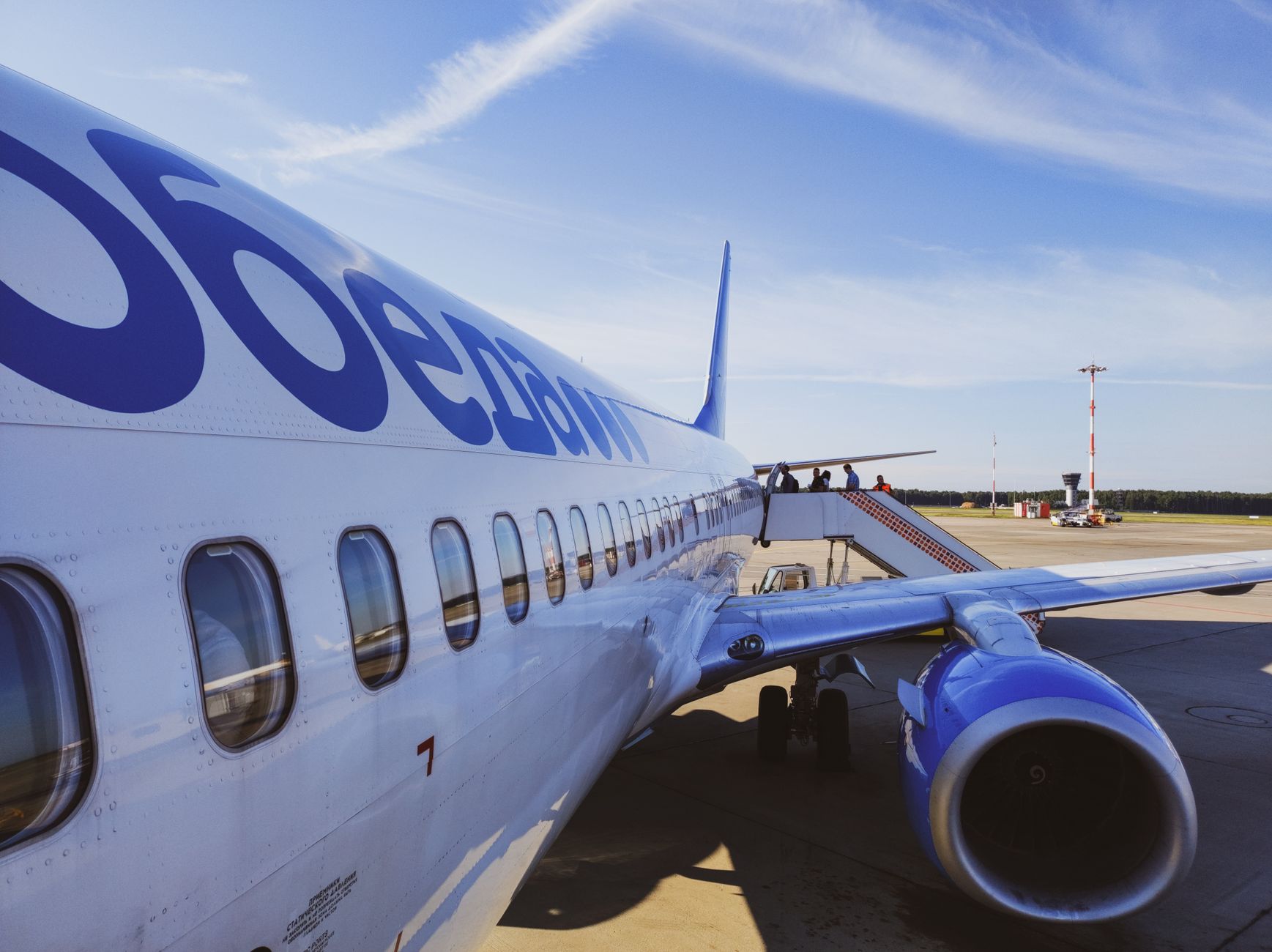
What makes the current round of increases worth watching is how quickly they were matched. Delta moved, United followed within days. American Airlines, which has been on its own financial recovery path, has not yet made equivalent announcements, but the precedent now exists in the market. When two of the three largest domestic carriers align on a fee structure, the third rarely holds its lower position indefinitely. The question for travelers planning fall and winter trips is whether American holds the line long enough to matter, or whether the industry simply converges on the new baseline before the busy holiday season begins.