
A Cartel Under Pressure
OPEC’s grip on global oil prices has always depended on one thing: the willingness of its members to accept short-term pain for collective long-term gain. That willingness is fraying. With U.S. crude production sitting near record highs and several OPEC members quietly pumping above their agreed quotas, the alliance faces a credibility problem it cannot price-fix its way out of.
The timing is particularly uncomfortable. OPEC and its allies – the broader grouping known as OPEC+ – spent much of the past two years engineering production cuts to stabilize prices after a volatile post-2022 energy market. Those cuts worked, until they didn’t. American shale producers, largely insulated from OPEC’s internal politics, simply filled the gap.
The U.S. Output Problem
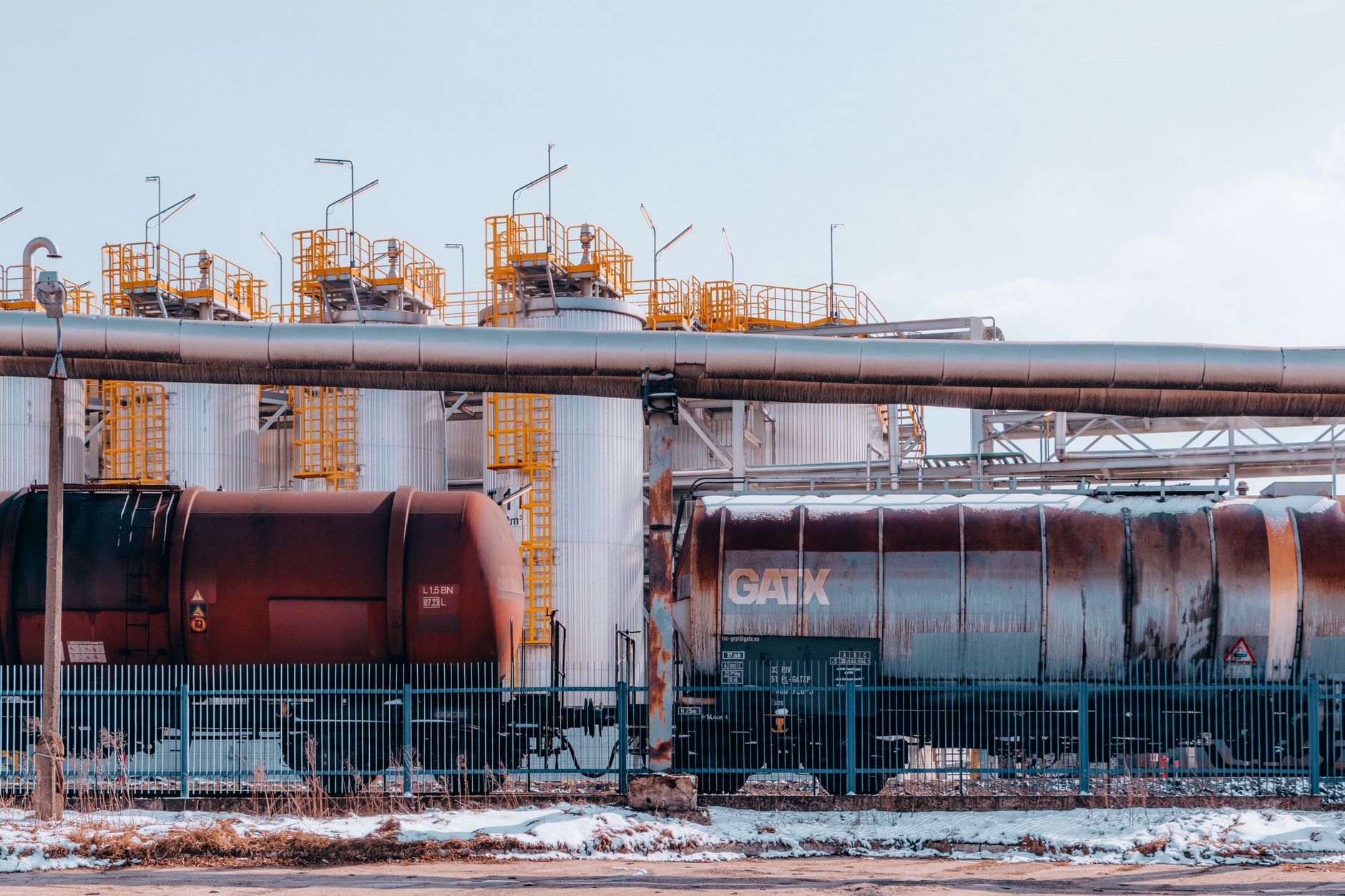
American oil production has become a structural headache for OPEC strategists. The U.S. now produces more crude oil than any country in history, regularly exceeding 13 million barrels per day. That volume alone would rank it above any single OPEC member, and unlike cartel production, it responds to market signals rather than political agreements.
Shale drilling technology has dramatically lowered the break-even cost per barrel for American producers. Where it once required prices above $70 to make U.S. tight oil profitable at scale, many operators in the Permian Basin now claim profitability closer to $50. That floor keeps supply flowing even when OPEC cuts are meant to tighten the market.
The math is brutal for the cartel. Every barrel OPEC withholds to push prices higher effectively subsidizes the economics of a Texas or North Dakota well. OPEC cuts its own revenue while handing market share to producers it has no leverage over. Saudi Arabia, which absorbs the deepest cuts to maintain its role as swing producer, has watched its oil revenues fluctuate sharply while American exporters quietly locked in long-term supply contracts with European and Asian buyers.
Cracks Within the Alliance
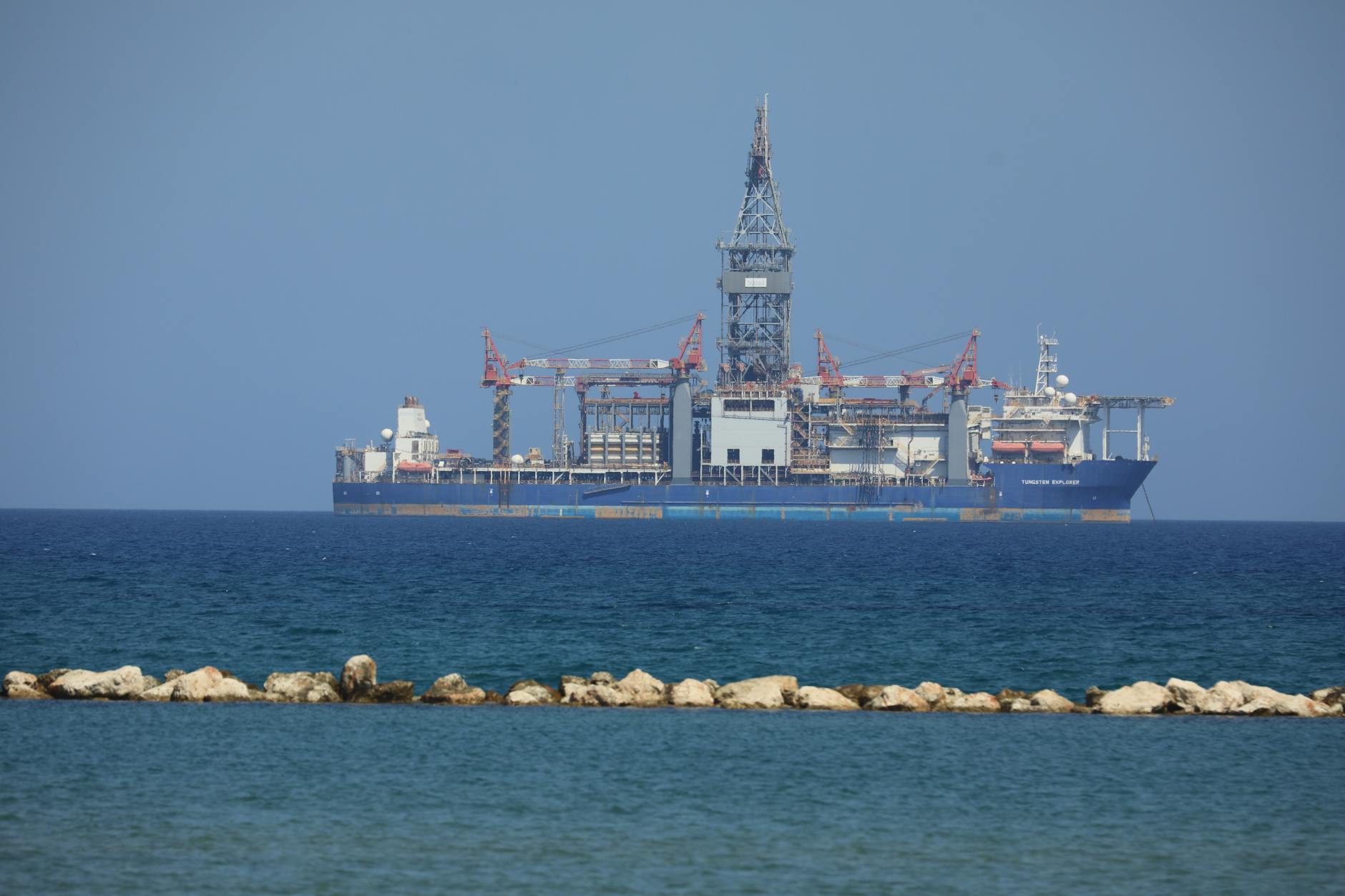
Internal discipline has always been OPEC’s weak point, and the current cycle is no different. Iraq and the UAE have both exceeded their production quotas in recent months, according to shipping data and independent market tracking. Both countries argue their quotas were set unfairly and do not reflect their actual production capacity – a complaint that has surfaced in every major OPEC negotiation for the past decade.
When quota cheating happens at the margins, the alliance can absorb it. When multiple major producers do it simultaneously, the credibility of the entire framework collapses. Other members then face a choice: cut their own production to compensate for the cheaters, or abandon discipline themselves. Neither option strengthens the cartel’s hand.
Saudi Arabia’s Diminishing Leverage
Saudi Arabia has historically been willing to act as the cartel’s enforcer – cutting its own output unilaterally to signal seriousness to markets and partners alike. That strategy worked when Saudi production decisions could meaningfully move global prices. The country retains enormous capacity, but its ability to shock markets has weakened as U.S. output absorbs the price-support effect of Saudi restraint.
Riyadh’s dilemma is structural. Saudi Arabia’s national budget requires oil prices well above $80 per barrel to remain in surplus. When prices drop toward $70, the kingdom faces a fiscal squeeze that makes prolonged production cuts politically difficult at home, even as those cuts are economically necessary for the cartel strategy to work. This tension between domestic fiscal needs and international market strategy has no clean resolution.
Russia complicates things further. As an OPEC+ partner rather than a core OPEC member, Moscow operates under different political and economic pressures, particularly with its budget strained by ongoing military spending. Russia has repeatedly underdelivered on promised cuts, offering compensation pledges that rarely materialize in full. Saudi officials have expressed frustration through diplomatic channels, but OPEC+ has no real enforcement mechanism beyond public shaming.

The alliance’s next formal meeting will test whether members can agree on anything beyond maintaining the appearance of unity. A decision to accelerate production increases – which some members are quietly pushing for – would likely send Brent crude prices lower, punishing the very members most dependent on high prices. A decision to deepen cuts further would demand discipline that recent history suggests won’t hold. Meanwhile, American producers are not waiting for the outcome. Rig counts across the Permian Basin are trending upward again, and pipeline capacity expansions along the Gulf Coast are opening new export routes to Asia – exactly the markets OPEC has spent years cultivating as its most reliable revenue base.