
Elliott Hill promised to put sport back at the center of Nike. Tariffs are making that promise more expensive to keep.
A Turnaround Built on Repair
Hill returned to Nike in October 2024 after retiring, replacing John Donahoe and bringing a long insider’s résumé to a company that had lost its rhythm. The diagnosis behind his appointment was straightforward. Nike had leaned too hard on a handful of lifestyle franchises and pushed too aggressively into selling directly to consumers, and in the process it frayed relationships with the retailers that put its shoes in front of everyday shoppers.
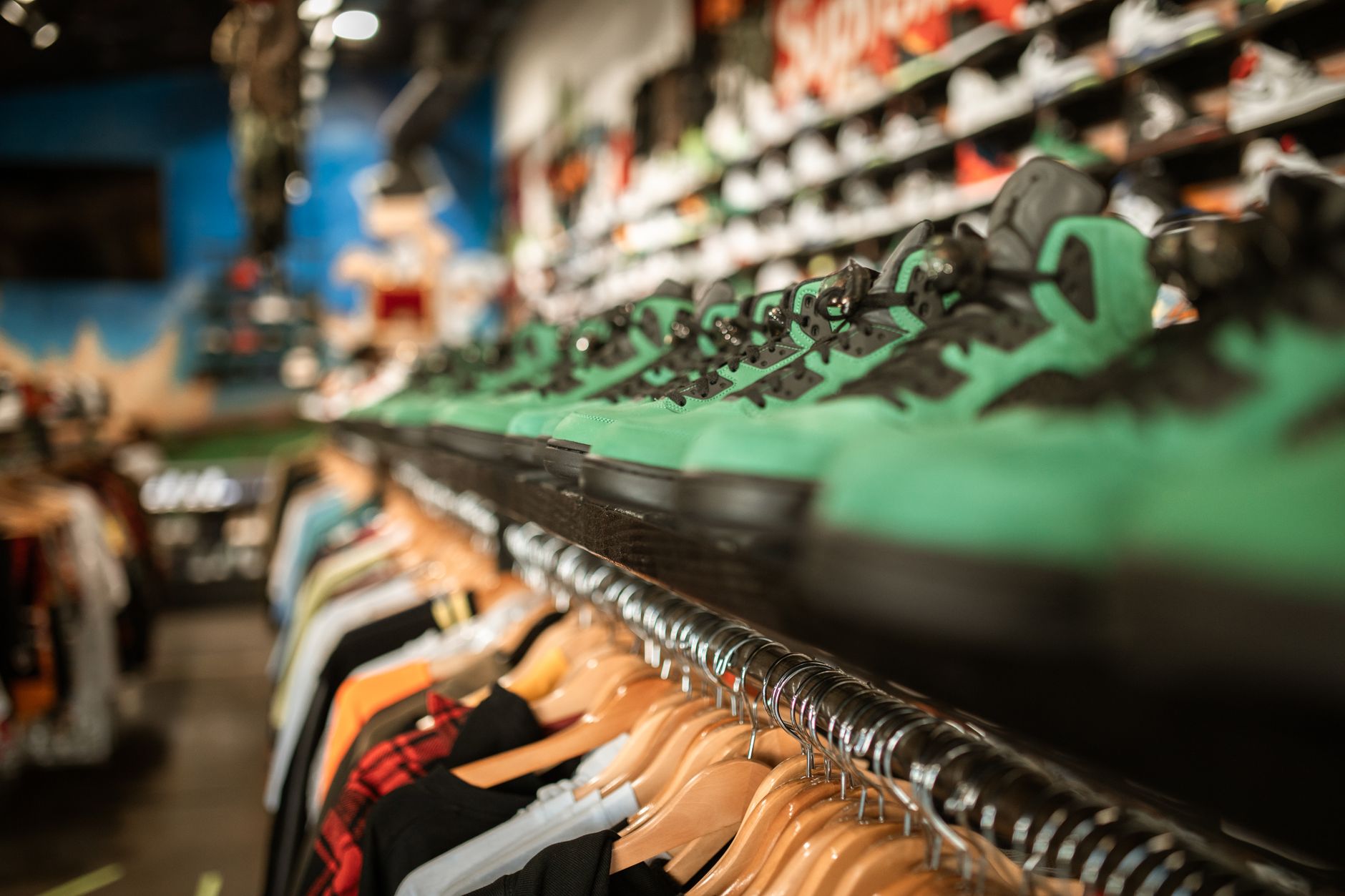
His plan has three parts. Rebuild partnerships with wholesale accounts. Refill the pipeline of running and performance product. Reduce the company’s dependence on heritage silhouettes like the Air Force 1, the Dunk and the Air Jordan 1. That last piece matters more than it sounds. Classic sneakers sell enormously until the cycle turns, and when it does, they leave behind full shelves, heavy markdowns and a brand that looks like it is chasing demand rather than creating it.
Footwear turnarounds are slow by design.
A shoe that reaches stores this season was conceived long before Hill took the job, and a shoe he greenlit today may not land in volume for many months. In the meantime, Nike has to clear inventory it no longer wants, and clearing means discounting. Discounting eats gross margin, which is the cushion a company needs while its new product catches up. The turnaround has always depended on how long that cushion can last, and tariffs are now pulling it out from under the plan.
Where the Tariff Bill Lands
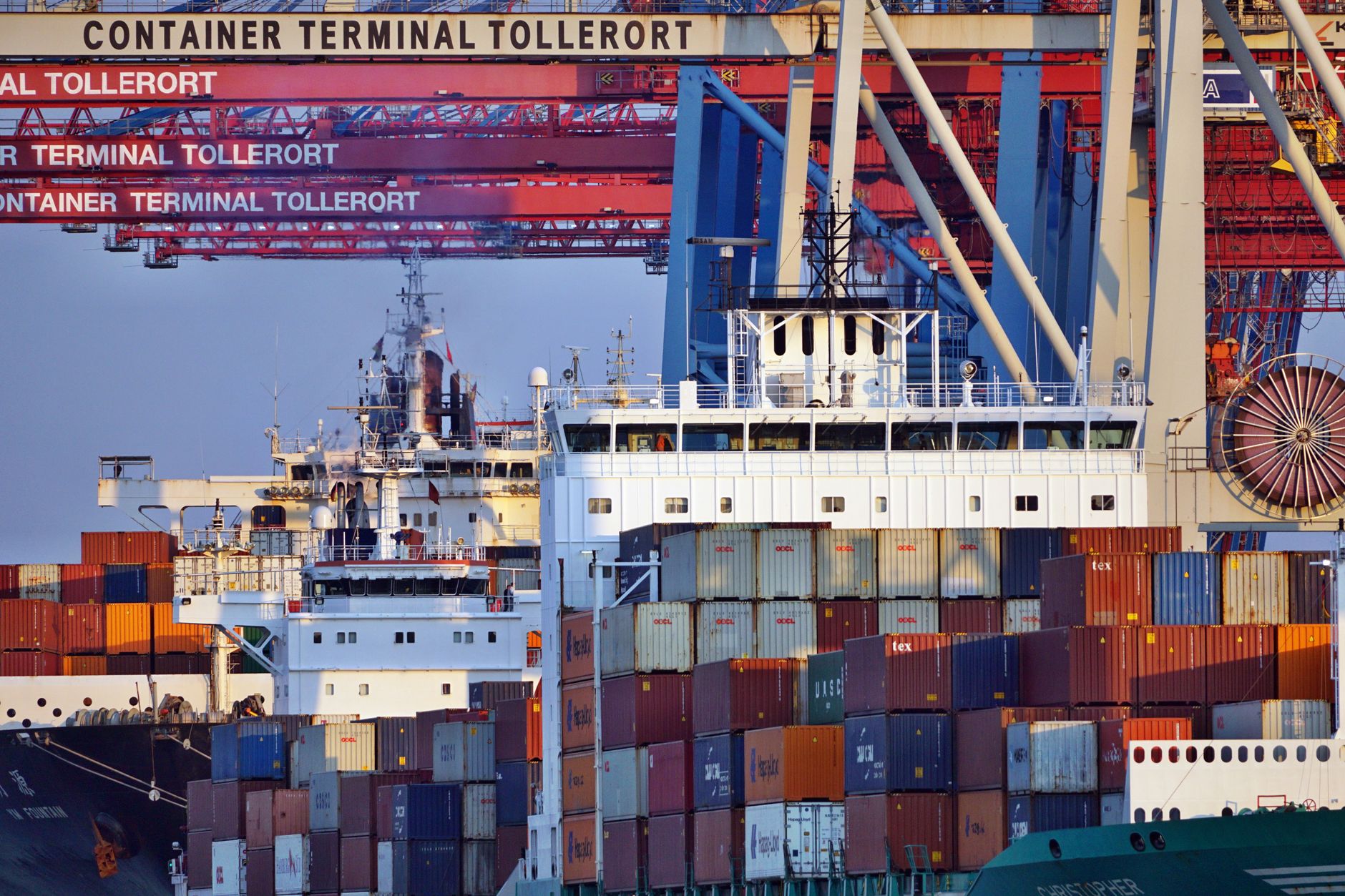
Nike builds the bulk of its footwear and apparel in Asia, with Vietnam, Indonesia and China among the most important production hubs. When Washington raises duties on goods from those countries, Nike absorbs the hit almost directly. The company has said the gross cost increase could reach roughly $1 billion, a figure large enough to change how the whole turnaround is paced and funded.
The obvious responses all come with drawbacks. Nike can shift production to other countries, but footwear supply chains are dense webs of component makers, tooling and trained labor that cannot be relocated on a quarterly schedule. It can push factories to share costs, but those factories are also managing their own pressure. It can pull back on promotions to protect margin, but that collides with the need to move old stock. Each lever works in isolation and conflicts with another.
Then there is pricing. A brand with Nike’s pull can raise prices on premium products and keep most of its customers, and the company has been moving in that direction. The awkward part is timing. Hill is trying to win back shoppers who drifted toward newer rivals like On and Hoka, and asking those shoppers to pay more is a harder sell than asking loyalists. Those rivals also source heavily from Asia, so the tariff problem is not unique to Nike. They are growing from a smaller base, though, which gives them more room to absorb costs without the same pressure to prove a comeback.
The wholesale pivot adds another layer. Selling through retail partners generally earns Nike less per pair than selling through its own stores and app, because the retailer keeps a cut. Returning to wholesale is the right strategic move for reach and brand health, but it lowers margin before a single tariff is counted. Retailers, meanwhile, have their own thin margins and will resist absorbing higher wholesale prices, which sets up a negotiation Hill cannot afford to lose or to win too aggressively.
Picture the arithmetic on one pair of running shoes. The factory cost rises because of duties. The wholesale mix means Nike keeps less of the retail price. Older inventory forces discounts on neighboring styles. The new product that is supposed to restore full-price selling is still ramping up. Every one of those pressures lands in the same quarter, and the company’s margin has to carry all of them at once while Hill asks investors to be patient.
What Hill Can Actually Control
Tariff policy is outside his hands, but product quality, inventory discipline and retailer trust are not. A cleaner assortment means fewer markdowns down the line, and a sharper running lineup gives Nike a reason to charge more without apologizing for it. The strongest defense against a cost shock is a product people want badly enough to pay for, and that is the one thing the turnaround was designed to rebuild from the start.
The risk is sequencing. If duties stay elevated longer than the product recovery takes, Nike will be raising prices on a lineup that has not fully regained its edge. Shoppers forgive a higher price tag on a shoe they crave. How many of them will pay it for a Nike that is still finding its footing?