


Microsoft has cut thousands of jobs in 2025, and this round is different from previous rounds. The company is not trimming overhead or consolidating redundant regional offices. It is cutting software engineers – the workers who, until recently, were considered the safest employees in the tech industry. The layoffs, which have affected roles across Azure, GitHub, and internal developer tooling teams, follow a deliberate strategic shift: Microsoft is betting that AI systems can handle a growing share of the code that humans used to write.
The timing is not accidental.
Microsoft has been embedding its AI coding assistant, GitHub Copilot, deeper into its internal development workflows for over two years. That tool, and successive generations of it built on OpenAI models, has reached a point where the company believes it can reduce headcount in developer-heavy divisions without losing output velocity. CEO Satya Nadella said in May 2025 that AI is now writing roughly 30 percent of Microsoft’s code – a figure that, if accurate, directly translates into fewer humans needed to maintain the same production pace. The layoffs are, in that reading, not a cost-cutting panic but a planned harvest of productivity gains the company spent years engineering.

Who Is Actually Being Cut
The roles being eliminated are not entry-level or peripheral. Mid-career software engineers, developer advocates, and technical program managers are among those receiving notices. These are people with five to fifteen years of experience, many of whom joined Microsoft specifically to work on AI-adjacent products, only to find that the technology they helped build is now the reason their position no longer exists. That irony is not lost on workers sharing layoff notices across LinkedIn and tech forums in recent weeks.
Microsoft has been careful with its public language, framing the reductions as part of an “organizational realignment” rather than a response to any financial pressure. The company posted strong earnings through 2024 and into early 2025, with Azure cloud revenue continuing to grow at double-digit rates. That makes the layoffs harder to explain away as a belt-tightening measure. When a profitable company cuts engineers, it is not because it cannot afford them – it is because it believes it has found a way to do the same work without them.
GitHub, which Microsoft acquired in 2018, has seen particular restructuring. GitHub Copilot was developed there, and the engineering teams who built and maintained it are now watching the tool get absorbed into Microsoft’s broader Azure AI infrastructure. Some of those teams have been reduced or merged into larger units, a pattern that often precedes further cuts. The product survives; the people who built it, in some cases, do not.

What This Signals for the Broader Industry
Microsoft’s moves are being watched closely because the company has a track record of setting trends that other large tech firms follow within 12 to 18 months. When Microsoft shifted aggressively to cloud-first architecture in the mid-2010s, competitors scrambled to catch up. When it integrated AI into its Office suite, others followed. If Microsoft demonstrates that AI can absorb a meaningful share of software development work at scale – and that the financial logic holds – other firms will face pressure from their own investors to do the same.
The pressure on individual engineers is already visible. Coding bootcamps are reporting changing enrollment patterns, with students asking harder questions about career durability than they were three years ago. Universities with computer science programs are fielding questions from incoming students about whether a software engineering degree still leads where it used to. These are not fringe anxieties. They are rational responses to a major employer publicly announcing that AI is replacing a portion of its engineering output and reducing headcount accordingly.
What makes this moment distinct from earlier automation waves is the speed of capability growth. Industrial automation replaced physical, repetitive labor over decades, giving workforces and institutions time to adapt. AI coding tools have gone from novelty to corporate infrastructure in under three years. A developer who was considered highly productive in 2022 may now find their output matched or exceeded by a model running on a laptop. The adjustment window that earlier industries had does not appear to be available to software engineers in the same way.
The Question Microsoft Is Not Answering
Microsoft has not said where the engineers it is cutting are supposed to go. The company talks about “upskilling” and “human-AI collaboration,” but those phrases describe a direction, not a destination. The workers being let go this year are already skilled – that is why Microsoft hired them. The implicit assumption in the company’s messaging is that the market will absorb them, that new roles will appear, and that the disruption is temporary friction rather than a permanent restructuring of what software development looks like as a profession.
That assumption may be correct. It may also be the kind of optimistic framing that large companies deploy when they do not have a better answer. The historical record on technological displacement is genuinely mixed: some waves created more jobs than they destroyed, others did not, and the difference often came down to timing, geography, and policy – none of which Microsoft controls.
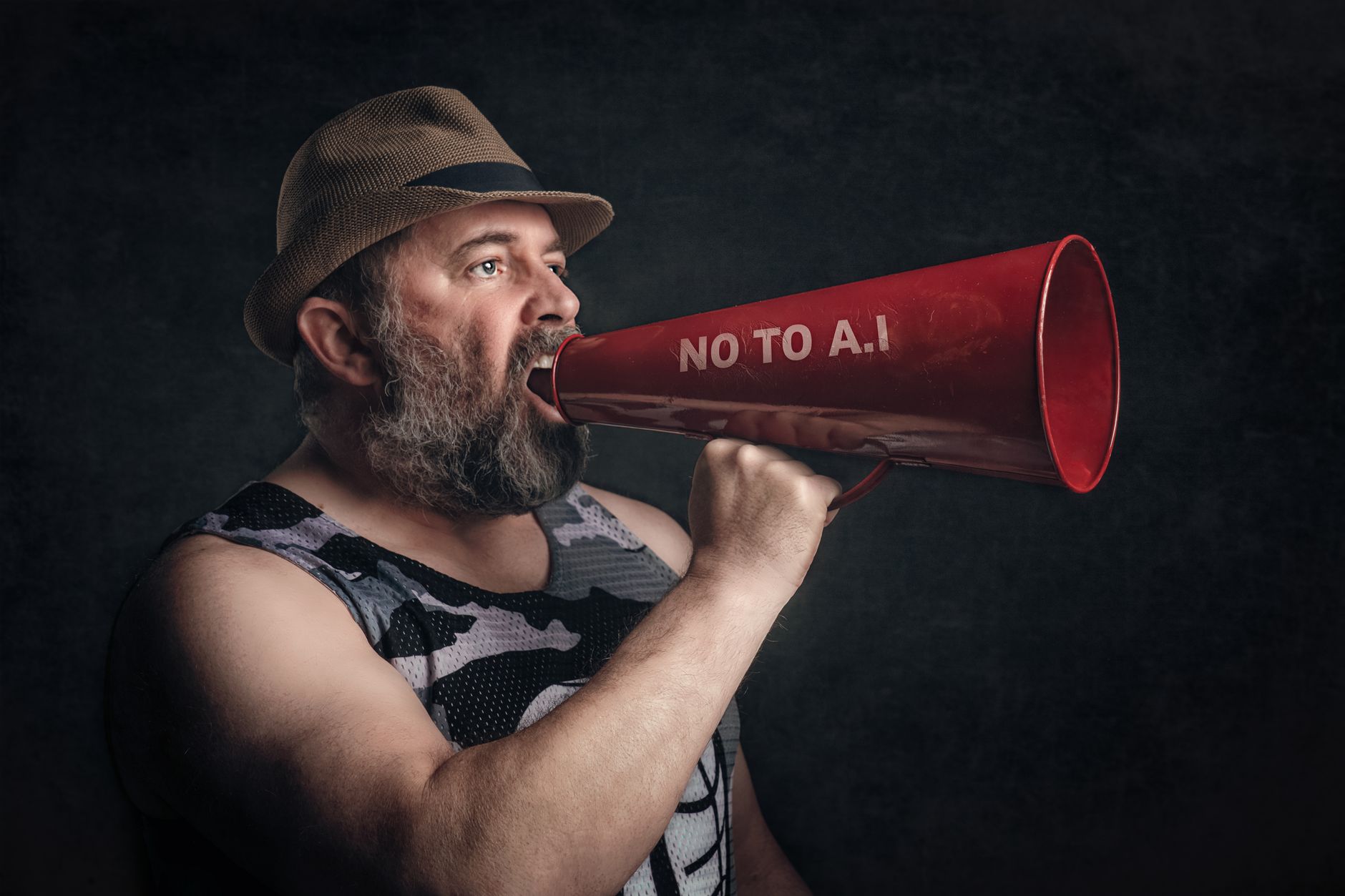
What is certain is that Microsoft is not waiting to find out. The cuts are happening now, the AI investment is accelerating, and Nadella has made clear that the company sees this not as a trade-off but as a straightforward productivity upgrade. The engineers losing their jobs might reasonably ask who exactly the upgrade is for.