

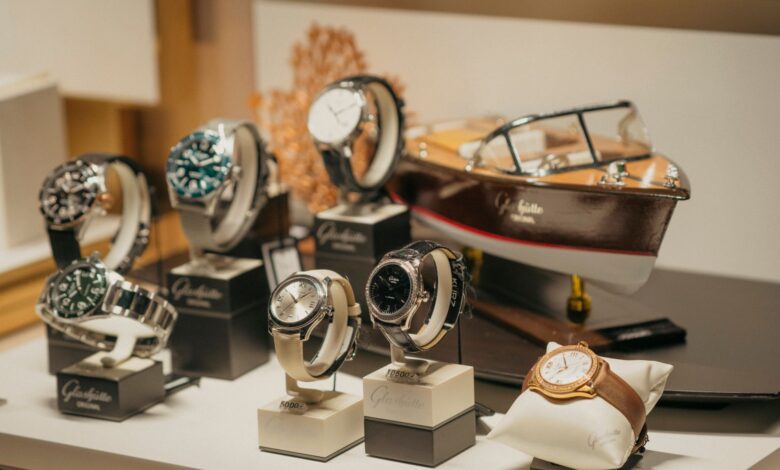
A Cooling Market Hits Haute Horlogerie
Swiss watchmaking has long operated on the assumption that demand for high-end timepieces is essentially recession-proof – that there will always be a buyer willing to spend five or six figures on a mechanical movement housed in gold. That assumption is now under serious pressure. Across the luxury watch sector, order books are thinning, gray market discounts are widening, and the Chinese consumer – who spent years propping up the entire industry – is spending with noticeably less enthusiasm.
LVMH, whose watch and jewelry division houses TAG Heuer, Hublot, and Zenith alongside the jeweler Bulgari, is navigating this contraction with more public candor than most. The conglomerate’s watch segment posted revenue declines in recent reporting periods, and executives have stopped describing the slowdown as temporary. The question now is whether this is a cyclical dip the industry can wait out, or whether it signals a more lasting reset in how luxury watches are bought, priced, and perceived.
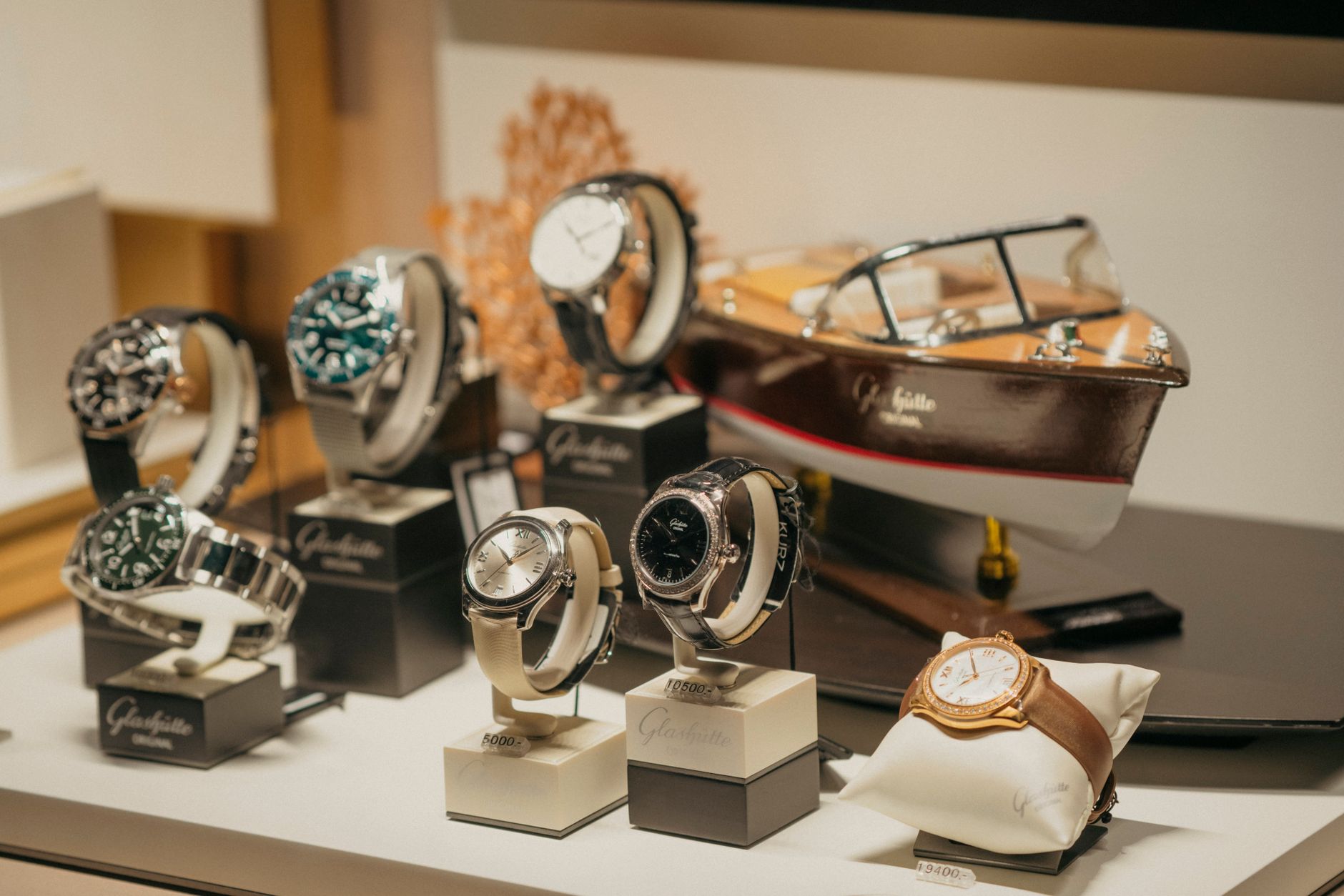
What Drove the Boom – and Why It Stopped
Between roughly 2020 and 2022, the Swiss watch industry experienced a surge that defied the broader economic mood. Secondary market prices for certain Rolex and Patek Philippe references doubled or tripled. Waiting lists stretched for years. Brands that had spent decades cultivating exclusivity found themselves turning away customers who were eager to spend. LVMH’s watch brands, positioned mostly in the upper-mid and high segments rather than the ultra-luxury stratosphere of Patek or AP, benefited from the enthusiasm even if they didn’t lead it.
The reversal came faster than most anticipated. Chinese demand – which had been a structural engine for Swiss watch exports for over a decade – softened as the country’s property sector deteriorated and consumer confidence slid. Wealthy Chinese buyers who had historically purchased watches both for personal use and as portable stores of value pulled back sharply. Swiss watch export figures, tracked monthly by the Federation of the Swiss Watch Industry, have shown consecutive year-on-year declines in shipments to Hong Kong and mainland China, two of the industry’s most critical markets.
Secondary market dynamics compounded the problem. When gray market prices fall – which they have for a wide range of references – it creates a credibility issue for retail pricing. A buyer who can purchase a watch below retail through parallel channels has little incentive to pay full price at an authorized dealer. This pressure feeds back into brand perception, making it harder for houses like TAG Heuer and Hublot to justify price increases or maintain the aspirational distance that luxury positioning requires.
There is also a generational dimension to this slowdown that LVMH’s strategists are clearly watching. Younger affluent consumers in key markets are allocating discretionary spending differently – toward experiences, toward fashion categories with stronger resale ecosystems, and toward goods that perform well on social media. A mechanical watch is a poor Instagram object compared to a sneaker collaboration or a limited-edition handbag. The cultural utility of watch ownership, particularly for buyers in their 20s and 30s, is less obvious than it was for previous generations.
LVMH’s Specific Exposure
Not all Swiss watch groups are equally exposed to this slowdown. Richemont, which owns Cartier and IWC, skews higher in average price point and has a stronger jewelry business to offset watch weakness. Swatch Group operates across a much wider price range, giving it consumer access at multiple economic levels. LVMH’s watch portfolio sits in a complicated middle ground: aspirational enough to be vulnerable to discretionary pullbacks, but not rare enough to benefit from the near-inelastic demand that protects watches priced above 50,000 euros.
TAG Heuer, the division’s largest watch brand by volume, has spent years attempting to sharpen its identity – leaning into motorsport partnerships, experimenting with smartwatch hybrids, and pushing into younger demographics. Those efforts have had mixed results. The brand is well-recognized, but recognition alone doesn’t convert to purchase when consumers are cutting back. Hublot, known for its fusion aesthetic and bold designs, built much of its growth on the same Chinese and international VIP customer base that is now contracting. Zenith, smaller and more focused on traditional movements, faces a different problem: niche credibility in a market where even niche credibility isn’t generating enough transaction volume.
How the Industry Is Responding
Across the Swiss watch sector, the instinct is to protect brand equity rather than chase volume through discounting. Publicly cutting prices or flooding the market with promotions would damage the very exclusivity that makes luxury watches worth buying. So brands are instead pulling back on production, tightening distribution, and in some cases quietly supporting authorized dealers with better margin structures to prevent them from selling below recommended retail.
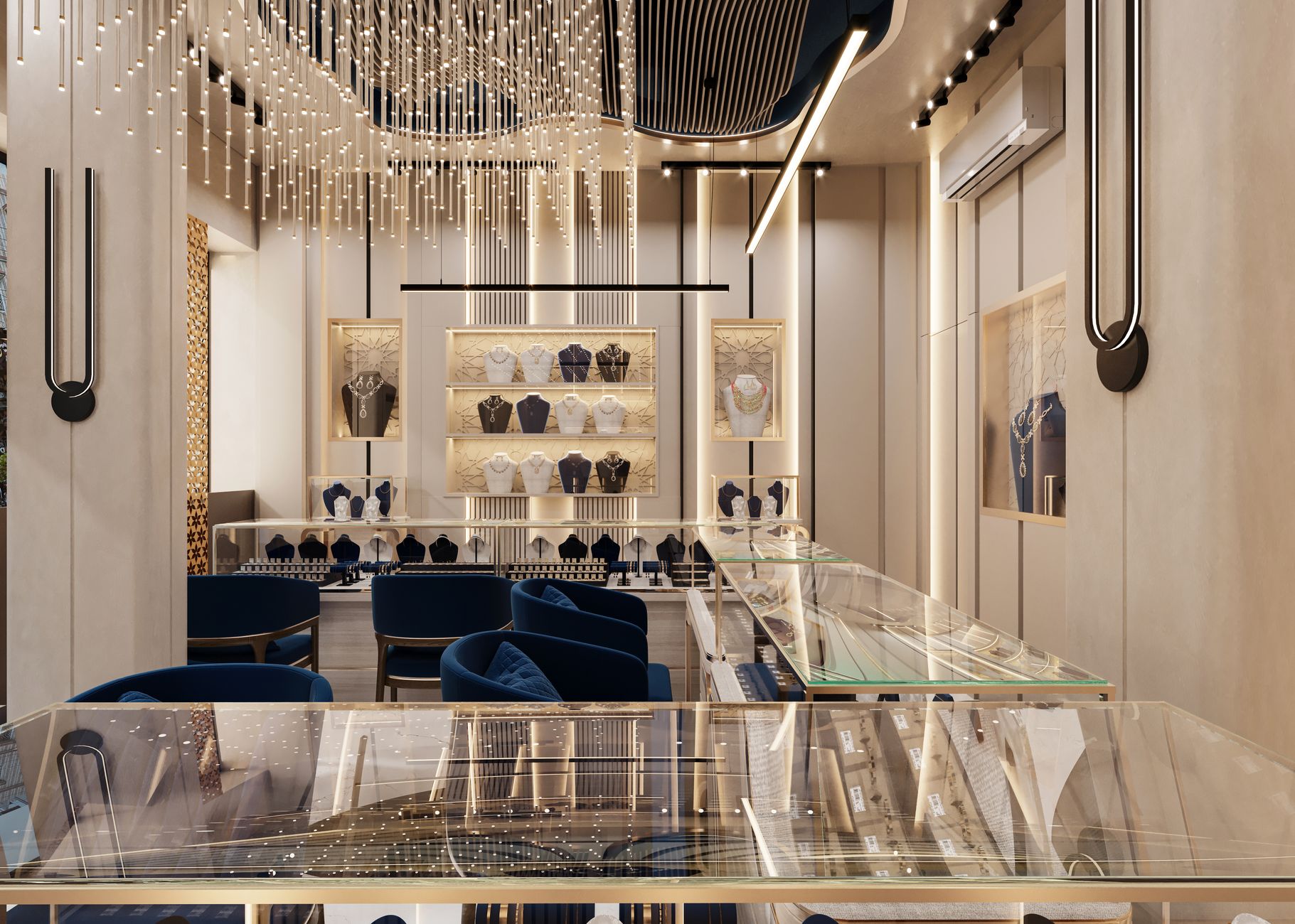
LVMH has signaled investment in experiential retail and direct-to-consumer channels as a longer-term response. The logic is that a customer who walks into a flagship boutique and receives a curated, memorable experience is more likely to convert and remain loyal than one browsing a multi-brand retailer. This is not a quick fix – building that kind of retail infrastructure takes years and significant capital – but it aligns with how the broader luxury industry has been moving for the better part of a decade.
There is also growing attention on markets outside China and the traditional Swiss export corridors. India, the Middle East, and Southeast Asia represent genuinely expanding consumer bases for luxury goods. The watch industry has been slower to build infrastructure in these regions compared to fashion and jewelry, but several brands are now accelerating boutique openings in cities like Dubai, Mumbai, and Singapore. Whether those markets can absorb the volume that the Chinese consumer once represented is genuinely unclear – and that uncertainty is exactly what makes LVMH’s watch division so difficult to forecast right now.

The Structural Question No One Has Answered
The deeper issue for LVMH and the Swiss industry broadly is whether the watch – as a category – needs to fundamentally renegotiate its cultural contract with luxury consumers. Handbags have retained their status as the core luxury good because they are visible, functional, and legible as status objects across cultures. Watches have traditionally served that role for men in particular, but that demographic is shifting, and the functional argument for wearing a mechanical watch in an era of smartphones is genuinely thin.
What the category has left is craft, heritage, and the particular pleasure of a complex mechanical object that serves no computational purpose. That is a real and durable appeal – but it is a narrower one than the industry built its recent boom around. For LVMH’s watch division, the next two years will test whether that appeal is enough to hold margin and revenue targets when the tailwinds of easy credit, Chinese consumer exuberance, and pandemic-era savings windfalls are no longer doing the heavy lifting. TAG Heuer’s upcoming product calendar, and whether it generates any meaningful secondary market excitement, will be one of the clearest early indicators of where brand momentum actually stands.
Frequently Asked Questions
Which LVMH watch brands are affected by the luxury slowdown?
TAG Heuer, Hublot, and Zenith are all exposed to declining Chinese demand and softening secondary market prices, each facing different challenges based on their market positioning.
Why has Chinese demand for Swiss watches fallen?
A weakening property sector and sliding consumer confidence have reduced discretionary spending among wealthy Chinese buyers who historically purchased watches for both personal use and as stores of value.