

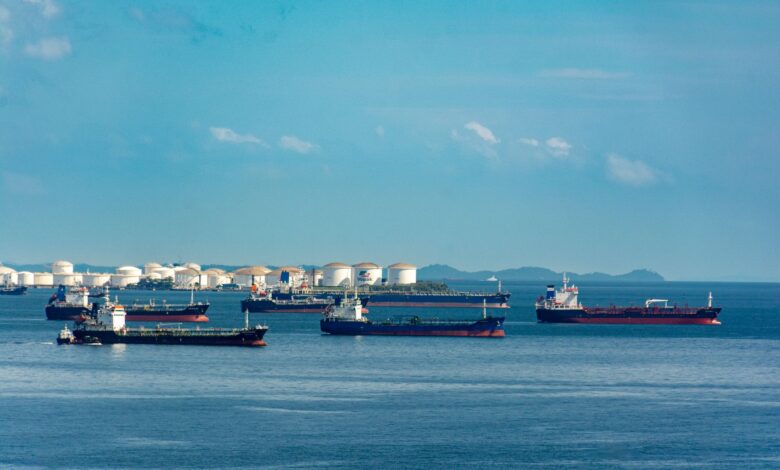
Shell is pulling back from liquefied natural gas faster than many in the energy sector anticipated, redirecting capital away from long-term LNG contracts as European buyers accelerate their shift toward renewables and pipeline alternatives.
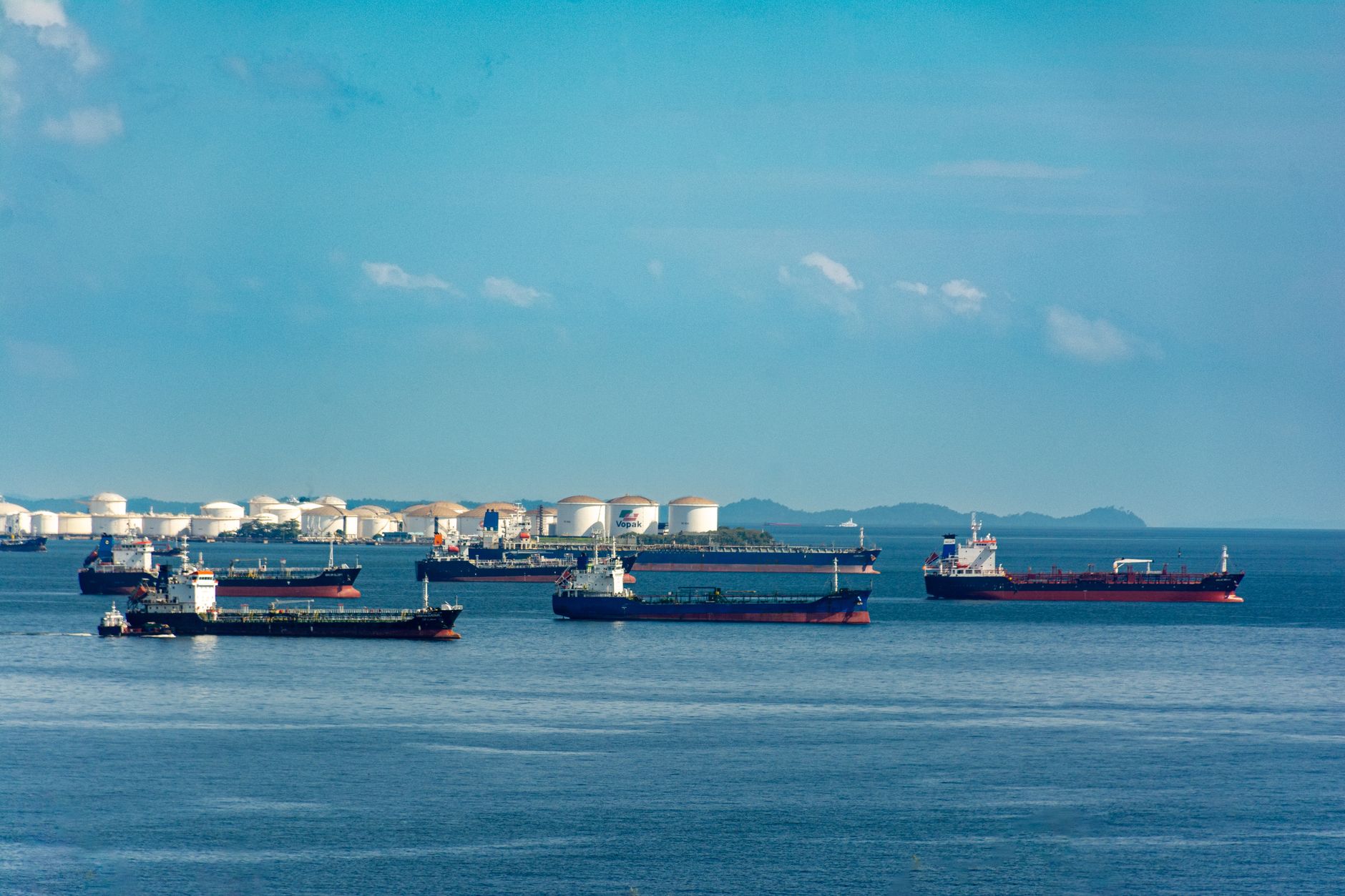
A Strategic Retreat From LNG’s Long Game
For years, Shell positioned LNG as the centerpiece of its transition strategy – a bridge fuel that would carry the company through the energy shift while generating reliable cash flow. That logic held when European demand for LNG was surging, particularly after Russian pipeline gas became politically untenable following the 2022 invasion of Ukraine. But the calculus has shifted. European buyers are now locking in fewer multi-decade LNG contracts, preferring shorter terms or spot-market purchases that give them flexibility as renewable capacity grows faster than originally projected.
Shell’s pullback is not a single dramatic announcement – it is a pattern visible across several quarters of capital allocation decisions. The company has declined to renew certain long-term supply agreements, scaled back investment in new liquefaction infrastructure, and quietly restructured its LNG trading desk to focus on shorter-duration positions. The strategy reflects a company reading market signals ahead of its competitors rather than waiting for demand to collapse before adjusting.
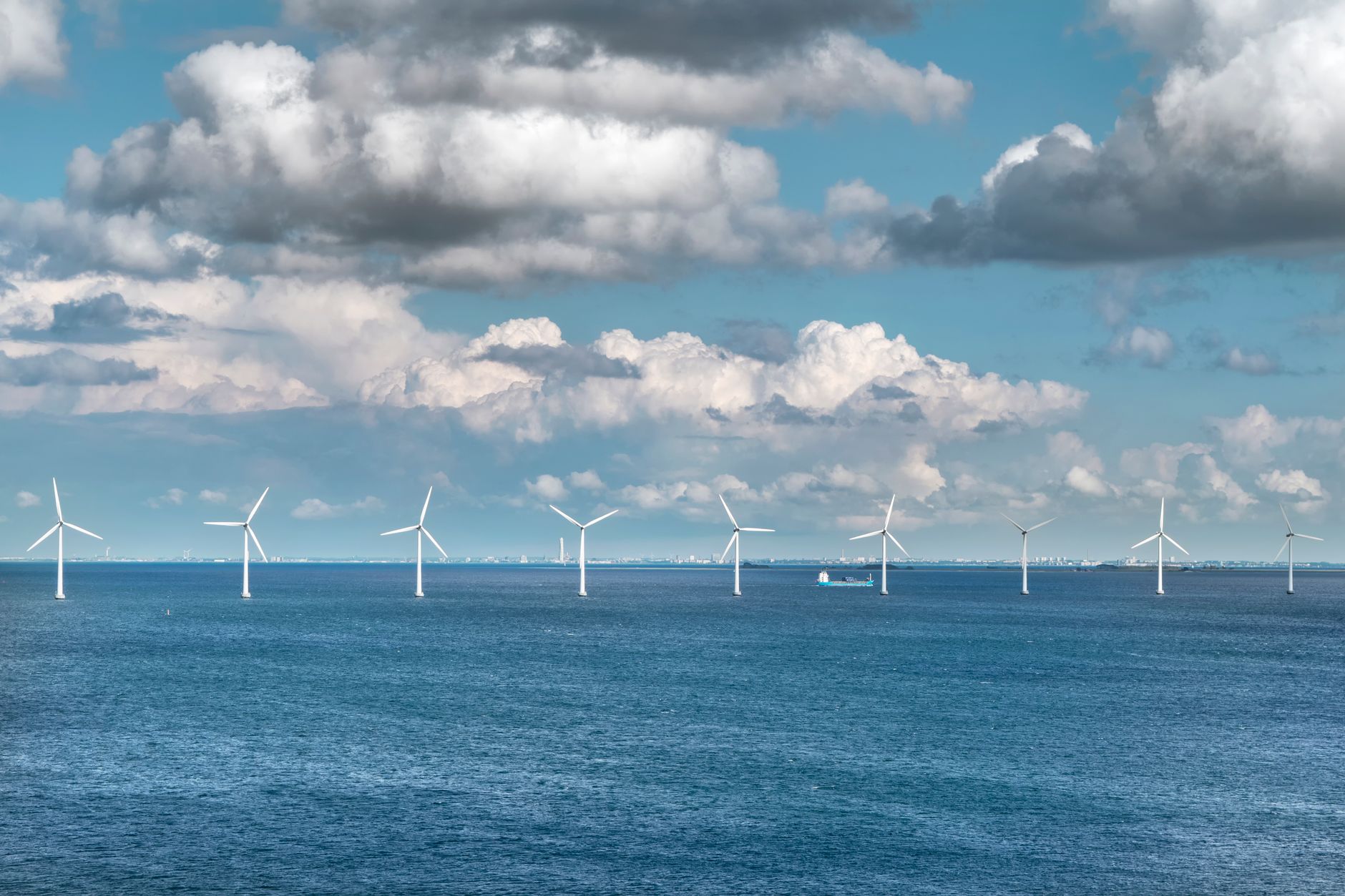
The European energy market is the clearest driver of this shift. Germany, the Netherlands, and France have all accelerated domestic renewable buildouts at a pace that was considered optimistic even two years ago. Offshore wind capacity additions across the North Sea have outperformed projections, and grid storage investment has reduced the need for gas-fired backup generation during peak demand periods. For Shell, writing thirty-year LNG supply contracts into this environment carries risk that is increasingly difficult to justify to shareholders.
There is also the question of pricing pressure. Spot LNG prices in Europe have been volatile but trending downward from their 2022 peaks, and new supply from the United States, Qatar, and East Africa is set to come online over the next several years. A market moving toward oversupply does not reward companies holding large fixed-cost infrastructure. Shell’s exit from certain LNG positions, while operationally complex, protects the company from being locked into assets that could become liabilities within a decade.
What the Exit Looks Like in Practice
Unwinding LNG exposure is not as simple as selling a stock position. Shell’s LNG business is woven into a global supply chain involving production sites, shipping fleets, regasification terminals, and long-term buyer agreements. Each layer carries contractual obligations, and breaking or renegotiating those agreements at scale requires either favorable market conditions or a willingness to absorb financial penalties. Shell appears to be pursuing a mix of both – timing exits where the contract structure allows, and accepting smaller write-downs where waiting would cost more.
One visible signal of the acceleration is Shell’s reduced appetite for sanctioning new LNG megaprojects. The company has passed on several proposed upstream developments in recent bidding rounds, choosing instead to participate as a minority off-taker rather than a project operator. This limits capital exposure without eliminating Shell’s presence in the LNG market entirely – a distinction the company has been careful to maintain publicly. Shell is not exiting LNG; it is shrinking its footprint while retaining the trading infrastructure that generates margin on third-party volumes.
The LNG shipping fleet is another area of quiet adjustment. Shell has been reducing its owned-vessel exposure through sale-leaseback arrangements and by not renewing certain charter contracts as they expire. Shipping represents a significant fixed cost in the LNG chain, and lighter ownership reduces the break-even volume Shell needs to run profitably. The company retains chartering relationships that give it access to vessels on demand without carrying the full capital burden of fleet ownership.
European utility companies, which were Shell’s most significant LNG customers during the post-2022 supply crisis, are themselves undergoing a structural change in how they procure gas. Several major utilities have publicly stated they expect to reduce gas consumption for power generation by the end of the decade, with renewables plus battery storage covering most of the load that gas currently provides. For Shell, those are not just policy statements – they are demand forecasts that directly affect the commercial viability of its LNG book. Renewing supply agreements with buyers who are planning to need less gas is a poor business decision regardless of the contract pricing.
Capital freed from LNG commitments is being redirected with a degree of selectivity that suggests Shell is not simply following green sentiment but making specific bets. Offshore wind in the North Sea, low-carbon hydrogen infrastructure in Germany and the UK, and carbon capture projects tied to industrial clusters in the Netherlands are all areas where Shell has increased spending. These are not high-margin businesses in their current state, but they position Shell within the infrastructure that European energy policy is actively subsidizing and mandating. The bet is on regulatory tailwinds rather than pure market economics.
The Tension That Remains
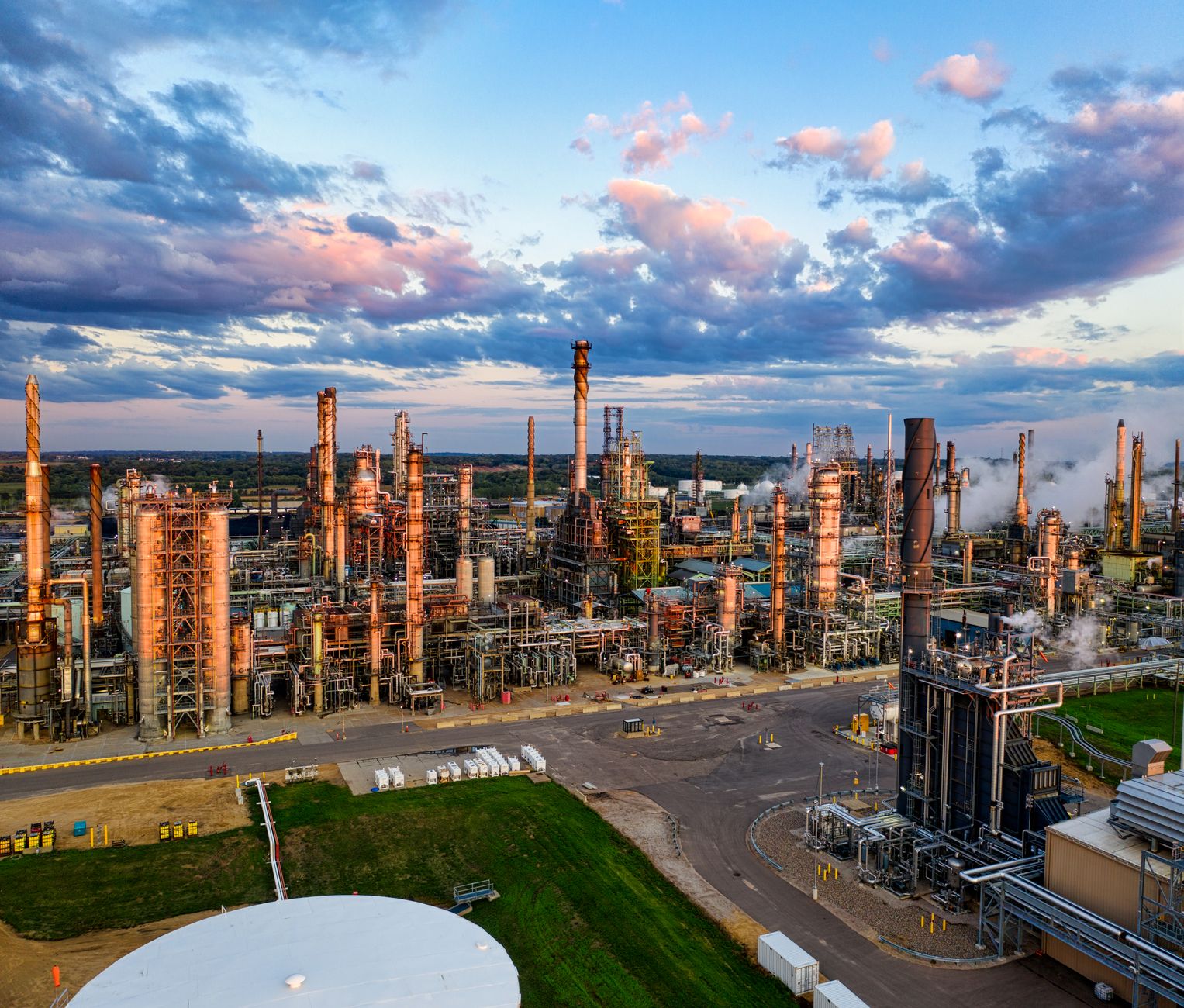
Shell’s LNG exit creates a genuine tension with its operations outside Europe. In Asia, particularly in markets like Japan, South Korea, and emerging buyers across Southeast Asia, LNG demand is growing rather than shrinking. Shell’s global LNG trading operation has historically depended on being able to move supply between markets to capture price differentials. A smaller European LNG footprint reduces that flexibility, though Shell’s Asian supply relationships are largely structured independently of its European book. The question is whether the company can maintain the scale advantages of a global trader while intentionally shrinking one of its two largest market regions.
Shell’s investors are watching the pace of this restructuring closely. Some want faster movement away from fossil fuel infrastructure; others are concerned that exiting LNG positions before they fully depreciate destroys shareholder value in the near term. Shell’s quarterly earnings calls have increasingly featured questions about exactly this trade-off – and the answers from management have been notably less specific than the strategic direction suggests. The company seems willing to absorb that ambiguity for now, but as the exits compound, the gap between stated strategy and financial performance will either close or become the story.