
Apple’s AI Ambitions Are Rewriting the Rules Siri Was Built On
Apple Intelligence was supposed to be the thing that finally made Siri worth talking to again. After years of being outpaced by Google Assistant and outmaneuvered by ChatGPT, Apple’s push into on-device AI arrived with real promise – smarter summarization, cleaner writing tools, deeper system integration. But somewhere between the keynote and the rollout, something unexpected happened: the users who stuck with Siri through all of it, the ones who built their routines around it, started running into walls they didn’t build.
The friction isn’t dramatic. There’s no single failure point, no viral moment of Siri catastrophically misunderstanding a command. The strain is quieter than that – a growing gap between what Apple Intelligence can do and what longtime Siri users expected Apple Intelligence to help Siri do. The assistant that was supposed to get smarter is, in several practical ways, behaving more inconsistently than before.
Who Siri’s Loyal Base Actually Is
Siri’s most committed users are not the power users running automation stacks or the early adopters who switched to ChatGPT the moment a mobile app landed. They are, broadly, people who embedded Siri into the texture of daily life – setting timers by voice while cooking, managing calendar reminders without unlocking a phone, running shortcuts that trigger multi-step routines with a single phrase. Many are older users or users with accessibility needs for whom voice interaction isn’t a novelty but a functional requirement. Others are simply deep Apple ecosystem residents who never had a reason to look elsewhere.
These users didn’t demand that Siri compete with large language models. They demanded reliability. A timer that sets correctly. A message that sends to the right contact. A reminder that appears at the right location. For years, Siri delivered that well enough – not brilliantly, but consistently. That consistency was the implicit contract.
Apple Intelligence changes the architecture underneath that contract without clearly communicating what gets preserved and what gets renegotiated. New features – priority notifications, email summarization, generative writing suggestions – are built on a different layer than Siri’s traditional task execution engine. And those two layers don’t always cooperate cleanly. Users report that certain Siri Shortcuts that worked without issue on iOS 16 began misfiring after Apple Intelligence features were enabled. The cause isn’t always obvious, and Apple’s documentation on the interaction between legacy Siri behavior and new AI features remains thin.
The Integration Problem Apple Hasn’t Named
Apple’s official framing of Apple Intelligence is additive – new capabilities layered on top of what already exists. The reality of software systems is rarely that clean. When you build a new processing layer that intercepts requests, reinterprets intent, and routes queries differently than the previous system did, you introduce new points of failure for behavior that used to be predictable.
Siri’s shortcut and automation ecosystem is particularly exposed. The Shortcuts app, which Apple spent years building into a serious tool for power users, depends on precise trigger behavior. Apple Intelligence’s intent-parsing layer sometimes steps in front of that behavior, attempting to interpret a command more broadly rather than executing the specific shortcut the user defined. For most casual interactions, this reads as smarter. For users with tightly constructed automation workflows, it reads as interference.
The Broader Competitive Pressure Driving These Decisions
None of this is happening in a vacuum. Apple is responding to real competitive pressure – the same pressure that pushed OpenAI’s operator push into workflow automation territory, forcing established tools to scramble for positioning. Apple watched Google bake Gemini into Android with aggressive visibility. It watched Microsoft put Copilot everywhere Windows has a surface. The message from the market was clear: AI features are now table stakes, and companies that don’t ship them visibly risk looking obsolete regardless of underlying quality.
Apple’s response was to move fast enough to have a story to tell. Apple Intelligence launched with enough genuine capability – particularly in writing tools and notification management – to hold that story together. But speed created tradeoffs, and some of those tradeoffs landed on Siri’s existing user base rather than on new users Apple was trying to attract. The users who had the least reason to demand change are absorbing the most cost from it.
This is not an unusual dynamic in platform transitions. What makes it notable here is the specific group affected. Accessibility users who rely on Siri for hands-free device interaction have documented cases where Apple Intelligence features, once enabled, altered the response timing or behavior of voice commands in ways that undermined their workflows. Apple’s accessibility reputation is strong enough that this kind of friction draws attention it might not receive from a competitor with a weaker track record. The gap between Apple’s public commitment to accessibility and the on-the-ground experience of some accessibility-dependent Siri users is a tension the company hasn’t addressed directly.
What makes this harder to resolve is that Apple Intelligence is not a finished product – it’s a staged rollout with features arriving across multiple iOS updates. That means the current state of Siri-plus-Apple-Intelligence is not the intended final state. Some of the integration roughness will get smoothed out. But users who are experiencing disruption right now don’t have the luxury of waiting for a future update cycle to restore a workflow they depended on yesterday. And Apple’s support documentation for navigating the transition is not proportional to how complicated the transition actually is.
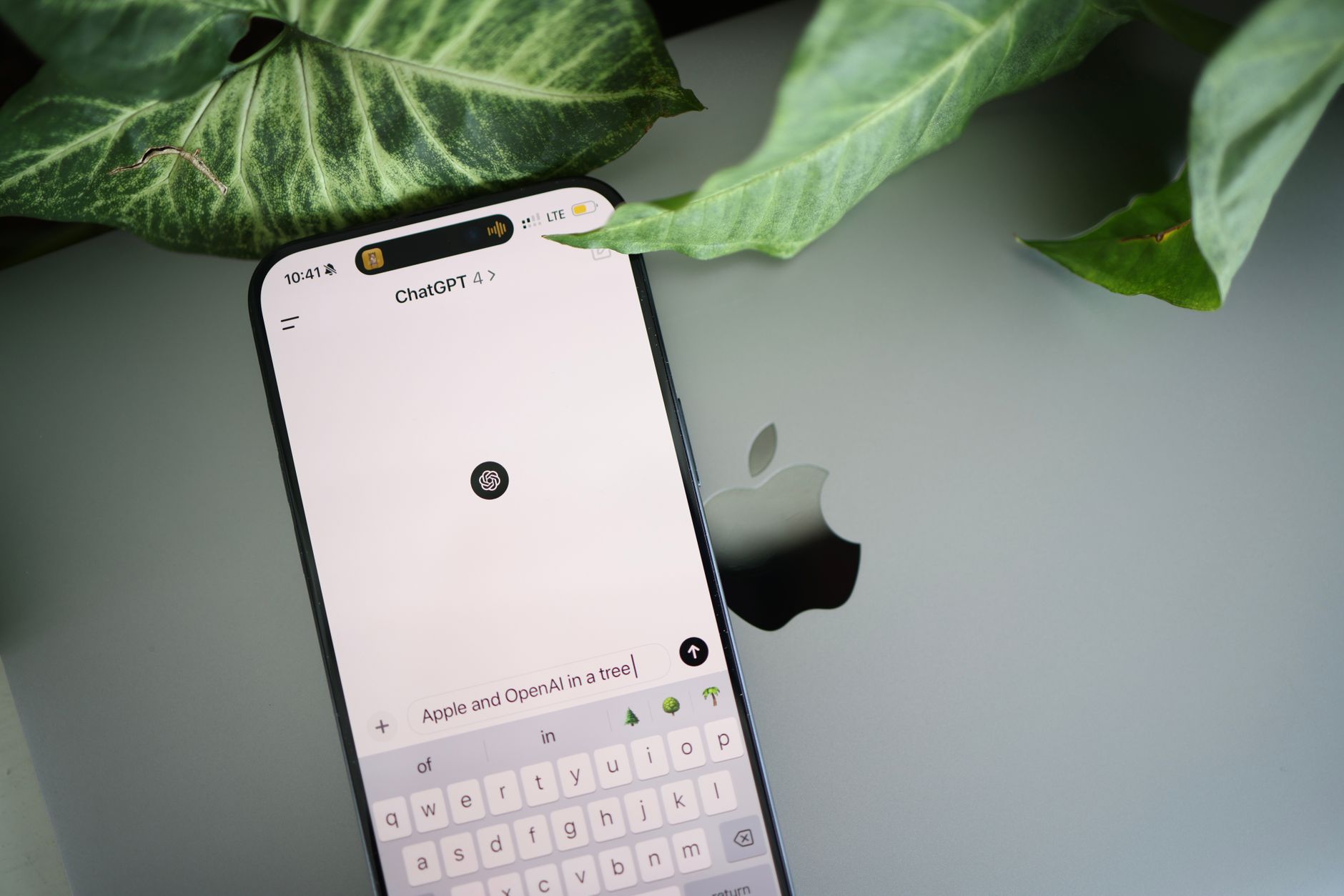
Apple has framed Apple Intelligence as Siri’s long-overdue upgrade. For new users and casual ones, that framing is largely defensible. For the subset of users who built their daily routines on Siri’s specific, predictable behavior – the exact users Apple never had to compete hard to keep – the upgrade has arrived as something closer to a renovation that moved the furniture without leaving a map.
The question that hasn’t been answered publicly is whether Apple designed around these users at all, or whether the assumption was simply that loyalty would absorb the adjustment cost without complaint. Given that this group tends not to be vocal on tech forums or social platforms, that assumption may hold longer than it should.
Frequently Asked Questions
What is Apple Intelligence and how does it affect Siri?
Apple Intelligence is Apple’s on-device AI system that adds writing tools, smart notifications, and enhanced intent-parsing to Siri – but its new processing layer can interfere with existing Siri Shortcuts and automation workflows.
Are longtime Siri users experiencing problems with Apple Intelligence?
Some users, particularly those with complex Shortcuts setups or accessibility needs, have reported that enabling Apple Intelligence features altered or disrupted voice commands and automation routines that previously worked reliably.