


Visa is pressing hard on contactless payment infrastructure, and the quiet side effect is a growing challenge to Mastercard’s long-standing advantage in debit card routing – a corner of the payments world that rarely makes headlines but moves enormous amounts of money.

The Routing War Nobody Talks About
Debit routing is not glamorous, but it is lucrative. Every time a consumer taps or swipes a debit card, a routing decision happens in milliseconds – which network carries that transaction, and who collects the interchange fee on the other end. For years, Mastercard held a structural edge in this space, particularly in signature debit, where its network relationships with major U.S. banks gave it preferred routing status on a wide range of transactions. That edge was quiet, durable, and quietly worth billions.
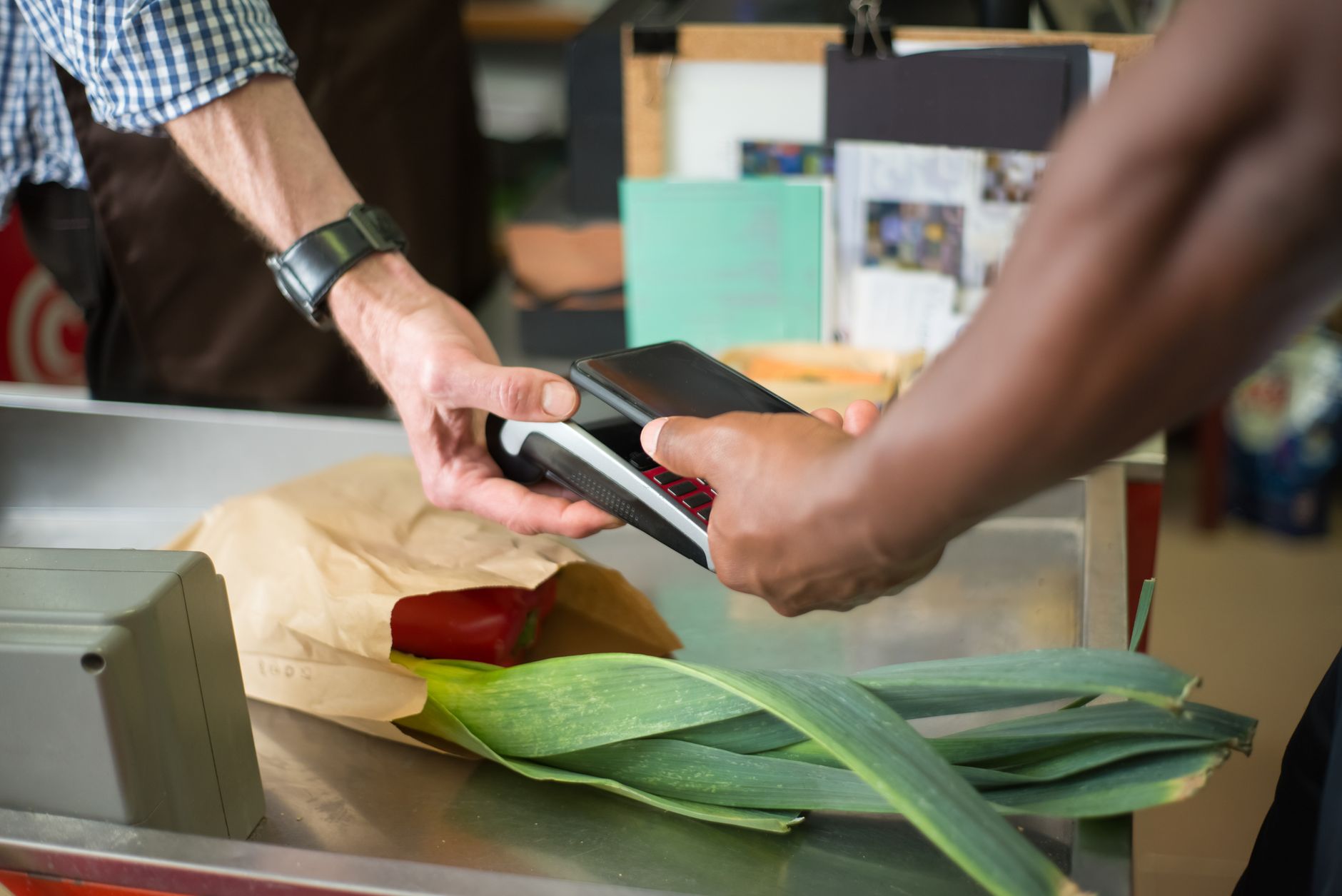
Visa’s contactless push is now disturbing that equilibrium. As Visa aggressively promotes tap-to-pay adoption across retail, transit, and quick-service environments, it is doing more than building consumer habits. It is routing more transactions through its own rails at the point of interaction, before any secondary network even gets a chance to compete. Contactless transactions – unlike traditional swipe or chip – tend to default to the card’s primary network, which for most U.S. debit cards means Visa.
The Durbin Amendment, part of the 2010 Dodd-Frank Act, was supposed to prevent exactly this kind of concentration. It required that debit cards have at least two unaffiliated networks available, giving merchants the right to route transactions through the cheaper option. In practice, that rule worked reasonably well in the chip-and-swipe era. Contactless complicates it. Many PIN-debit networks – the ones that typically offered merchants lower-cost routing alternatives – have been slower to build out contactless acceptance infrastructure, creating a gap that Visa’s tap-to-pay expansion is steadily filling.
Mastercard is not standing still. It has its own contactless expansion efforts and continues to push Maestro and Debit Mastercard positioning in key markets. But the pace of Visa’s infrastructure deals with issuers and merchants has created a window where Visa-default routing is becoming the path of least resistance in contactless environments, particularly in the U.S. and Western Europe.

Where Mastercard Feels the Pressure Most
The pressure is most visible in retail grocery and transit – two categories that have seen the fastest contactless adoption rates and where debit cards dominate over credit. Grocery transactions are high-frequency and low-margin for networks; transit is even thinner. But volume is everything in payments, and these categories generate massive transaction counts. If Visa locks in contactless routing defaults in these environments, the long-term volume shift away from Mastercard’s debit rails becomes structural rather than cyclical.
Mastercard’s debit business in the U.S. has historically been buttressed by its relationships with regional and community banks, many of which issue Mastercard-branded debit products. Those relationships remain solid. The concern is not that Mastercard loses bank partnerships – it is that even on Mastercard-branded cards, merchants and processors may find fewer routing alternatives through PIN-debit networks as contactless becomes the dominant form factor, effectively neutralizing the Durbin routing choice in practice even if not in law.
The Federal Reserve has noticed. In 2023, the Fed issued updated Regulation II guidance specifically addressing the routing of card-not-present and contactless transactions, clarifying that the two-network requirement applies to these transaction types. That guidance was a direct response to the growing market concern that contactless was creating routing bottlenecks. Mastercard welcomed the clarification; Visa’s public response was measured, but the company has continued building out its contactless footprint at a pace that suggests it views first-mover infrastructure advantage as more durable than regulatory risk.
There is also a merchant acquirer dimension here. Large acquirers – the companies that process payments on behalf of retailers – have been caught in the middle. They want to honor merchant routing preferences, which under Durbin should favor the cheapest available network. But when the cheapest network does not have a functional contactless token or NFC interface at a given terminal, the routing choice becomes theoretical. Visa’s investment in tokenization infrastructure for contactless transactions has outpaced many of its smaller network competitors, and that technical gap is where Mastercard’s debit edge gets quietly eroded.
One area where Mastercard retains a clear advantage is international debit routing, where its global network relationships and Maestro infrastructure remain deeply embedded in European markets. But U.S. debit volume is the prize, and the contactless routing dynamic is primarily a domestic story for now. Mastercard’s international strength does not fully offset what it risks losing at the American checkout counter.
What Comes Next
Regulatory pressure will likely intensify before it resolves anything. The Fed’s updated guidance gave merchants clearer standing to demand contactless routing alternatives, and some large retailers have already begun pushing back on acquirers to deliver on that promise. Whether PIN-debit networks can close the contactless infrastructure gap fast enough to make that demand meaningful is the real question – and the timeline is measured in years, not quarters.
Mastercard’s next move probably involves deeper investment in its own contactless token infrastructure and more aggressive outreach to acquirers who feel squeezed by Visa’s defaults. The company has the resources and the network scale to compete directly. But it is now playing catch-up in a race where Visa had the head start, and the merchants who were supposed to benefit most from Durbin routing choice are still waiting for a contactless world where that choice actually works at the terminal.
Frequently Asked Questions
Why does contactless payment affect debit card routing competition?
Contactless transactions tend to default to the card’s primary network, bypassing PIN-debit alternatives that merchants could previously choose for lower costs.
What is the Durbin Amendment and how does it relate to this issue?
The Durbin Amendment requires debit cards to support at least two unaffiliated networks, giving merchants routing choice – but contactless infrastructure gaps can make that choice unavailable in practice.