

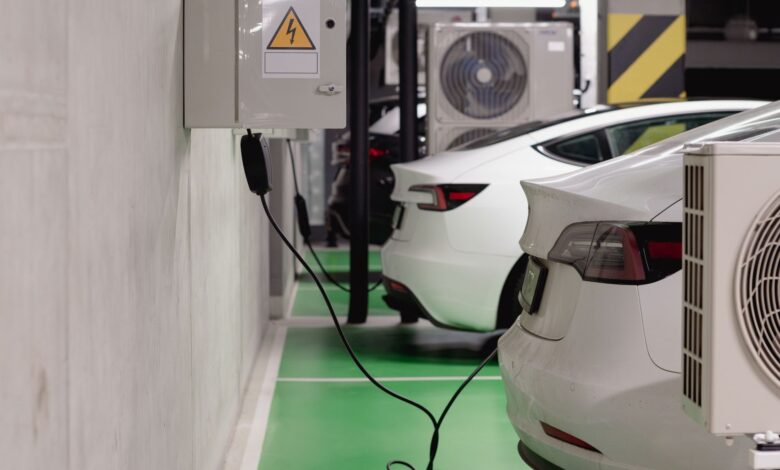
Ford’s EV Pullback Is Louder Than the Company Admits
Ford Motor Company has been walking back its electric vehicle ambitions in slow motion for the better part of two years. Production targets have been cut, launches have been delayed, and the Model e division – the internal unit created specifically to house Ford’s EV future – has posted losses deep enough to rattle investors and raise real questions about the company’s long-term positioning in a market it once claimed to want badly.
What makes this moment significant is not that Ford is struggling with EVs. Nearly every legacy automaker has hit turbulence. What stands out is how the retreat is landing at precisely the moment General Motors is doubling down on its Ultium battery platform with a consistency that, at minimum, looks like a strategy – even when the execution has been uneven.
What Ford Actually Cut – and When
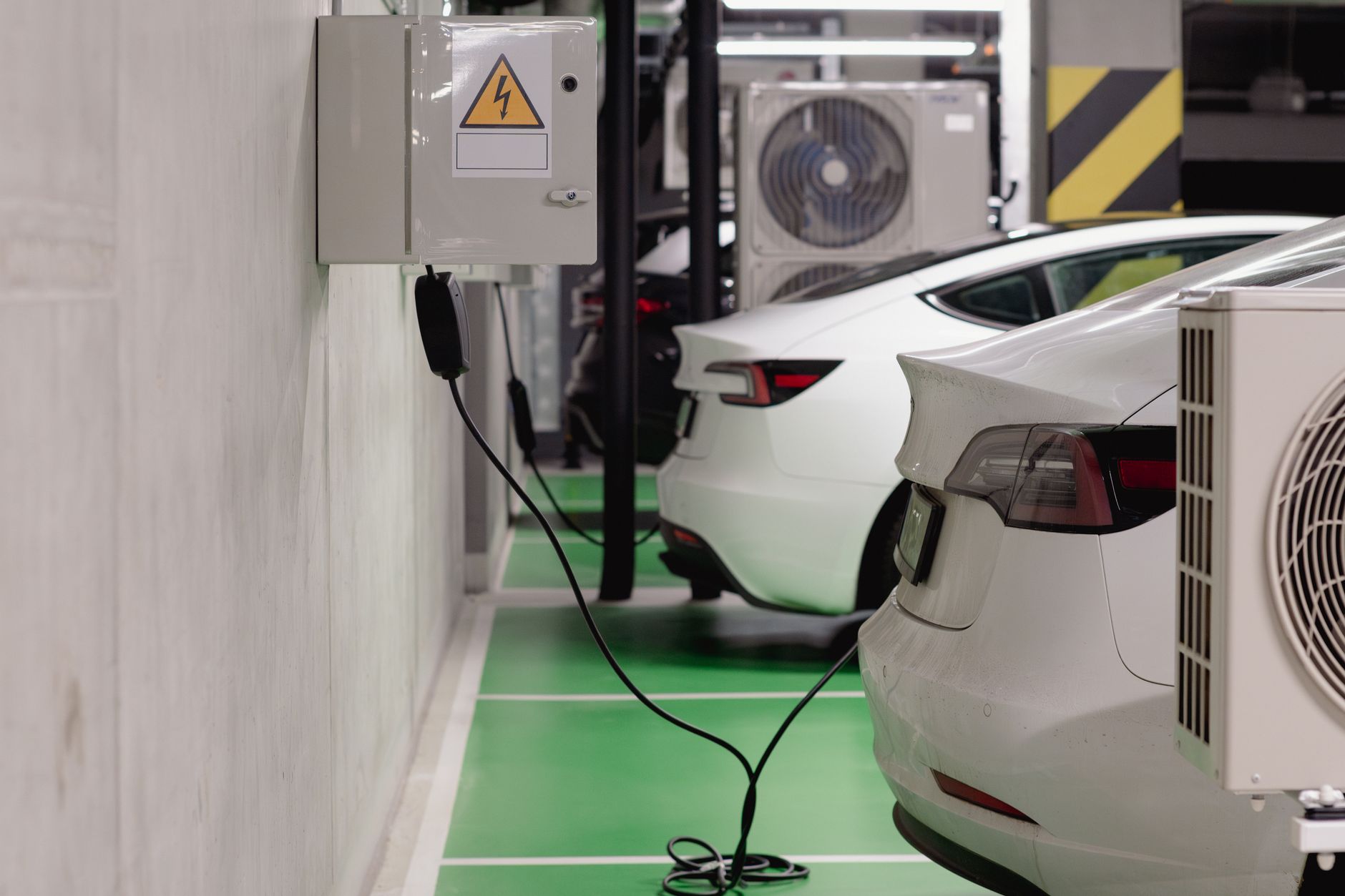
Ford’s EV losses have been staggering by any measure. The Model e division lost more than five billion dollars in 2023, and projections for 2024 pointed toward similar territory. In response, Ford scaled back production of the F-150 Lightning, paused plans for a second electric pickup plant in Kentucky, and quietly reduced the urgency around several upcoming EV launches. These were not minor course corrections. They were structural retreats from targets the company had set publicly and with confidence just a few years prior.
The Lightning in particular tells the story clearly. Ford priced the truck aggressively to gain market share, then cut prices multiple times to move inventory, then pulled back production because the economics stopped working at those price points. That cycle – ambition, price war, retreat – is exactly what happens when a company tries to force volume before the cost structure is ready to support it. Ford’s battery supply chain was not generating the per-unit economics that GM’s Ultium architecture was designed, at least in theory, to eventually produce.
Ford’s CEO Jim Farley has been candid in ways that other auto executives rarely are. He has said publicly that the company will not chase EV volume for its own sake, and that profitability on EVs is the actual goal. That is a reasonable position. It is also a position that buys time while ceding market presence to competitors who are still building consumer habits and dealership familiarity with their electric models. Stepping back has a cost that does not always show up immediately in quarterly earnings.

GM’s Ultium Bet Is Not Without Problems
General Motors deserves more credit than it typically receives for the ambition of the Ultium platform, and more scrutiny than it sometimes gets for how long it has taken to deliver on that ambition. The Ultium architecture was designed to underpin a wide range of vehicles – trucks, SUVs, sedans – across multiple brands including Chevrolet, GMC, Buick, and Cadillac. The theory is sound: build one flexible battery and motor system, spread development costs across high volume, and achieve better margins over time than automakers who source batteries piecemeal.
In practice, Ultium’s rollout has been slow and marked by production problems at GM’s joint-venture battery plants with LG Energy Solution. The Chevy Equinox EV, which GM positioned as its mass-market answer to the Tesla Model Y, took longer than expected to hit dealer lots in meaningful numbers. The Cadillac Lyriq, while critically well-received, has moved in relatively modest volumes. None of this makes GM’s strategy wrong. It does mean that the company’s lead over Ford is built more on commitment and infrastructure investment than on current sales dominance.
Why the Competitive Gap Is Still Real
Ford and GM are playing the same game at different speeds. Both companies understand that electrification is not optional. Both are investing in battery technology and manufacturing capacity. But the divergence in their near-term posture is creating a gap in brand positioning that matters beyond production numbers. When consumers and fleet buyers are forming their impressions of which American automaker is serious about EVs, GM’s continued forward momentum – even when stumbling – reads differently than Ford’s visible backpedaling.
Fleet sales are where this plays out most concretely. Commercial and government fleet buyers plan vehicle purchases years in advance. They need assurance that a manufacturer’s EV lineup will be supported, expanded, and stocked reliably. Ford’s fleet credibility in this space took a hit each time the Lightning production cuts made headlines. GM, meanwhile, has been active in locking in fleet commitments for its commercial EV products, including through BrightDrop before that unit was restructured, and through Chevrolet’s work van electrification efforts. The optics of reliability matter as much as the product itself when buyers are committing to charging infrastructure investments.
There is also a talent dimension that rarely gets discussed in coverage of the Detroit EV race. Engineers and software developers who specialize in battery management systems, EV architecture, and vehicle software have options. They can work at Tesla, at Rivian, at the growing number of EV-focused startups, or at legacy automakers. A company that visibly retreats from its EV commitments becomes a less attractive employer for the specific people it needs to compete. Ford has been working to retain its EV engineering talent, but the internal messaging required to do that while also cutting EV budgets is a difficult needle to thread.
Ford’s hybrid strategy is the move the company is quietly betting on as a bridge. Hybrid sales, particularly of the F-150 hybrid and the Maverick hybrid, have been strong. Ford’s reasoning is that hybrids generate profit now while the battery cost curve continues to fall, allowing the company to re-enter full electrification from a stronger financial position. GM has also invested in hybrids but has been more vocal about its all-electric commitments. Whether Ford’s hybrid bridge leads somewhere or simply delays the hard work of building a competitive full-EV lineup is the question the next three years will answer. The Equinox EV’s retail pricing, if GM can hold it at the levels announced, gives GM a specific product advantage Ford does not currently have a direct answer to in the crossover segment – and crossovers are where American auto volume actually lives.